
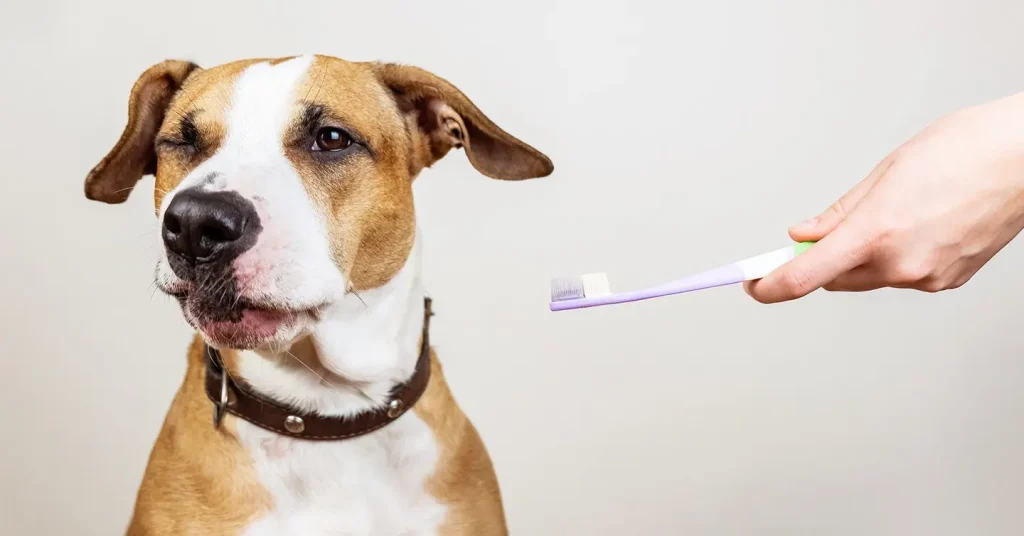
Introduction: The Importance of Healthy Teeth for Your Dog
Just like humans, dogs require proper dental care to keep their teeth clean, strong, and free from disease. Unfortunately, dental issues are among the most common health problems for dogs, and poor dental hygiene can lead to serious complications like periodontal disease, tooth loss, and even internal health problems such as heart and kidney disease.
Maintaining your dog’s oral hygiene not only prevents bad breath but also supports their overall health and longevity. Regular dental care is crucial for your dog’s well-being, but many pet owners overlook this essential aspect of their dog’s care.
In this guide, we’ll explore seven expert tips for keeping your dog’s teeth sparkling and healthy, focusing on proactive steps to prevent dental issues and maintain strong oral health.
1. Brush Your Dog’s Teeth Regularly
Just like in humans, regular brushing is the most effective way to maintain your dog’s dental health. Brushing helps remove plaque and food particles that can lead to the buildup of tartar and cause dental diseases. Without brushing, plaque hardens into tartar, which can only be removed through professional cleaning by your vet.
How to Brush Your Dog’s Teeth:
- Choose the right toothbrush: Use a dog-specific toothbrush with soft bristles to avoid injuring your dog’s gums. Finger brushes are also a good option for smaller dogs or those who are sensitive to traditional toothbrushes.
- Use dog-safe toothpaste: Never use human toothpaste on your dog, as it contains fluoride and other chemicals that can be harmful. Instead, opt for toothpaste specially formulated for dogs, which is available in flavors your dog will love (like peanut butter, chicken, or liver).
- Brush gently: Start by introducing your dog to brushing gradually, ensuring that they’re comfortable with the process. Gently lift their lips and start brushing in circular motions, focusing on the outer surfaces of the teeth.
- Aim for consistency: Try to brush your dog’s teeth at least 2-3 times per week. Ideally, daily brushing is best for optimal dental health.
2. Offer Dental Chews and Treats
Dental chews and treats are designed to help clean your dog’s teeth while they chew. These products help reduce plaque and tartar buildup and are a great complement to regular brushing.
How Dental Chews Benefit Your Dog:
- Promote healthy teeth: The chewing action helps scrape away plaque from your dog’s teeth, improving oral hygiene.
- Freshen breath: Many dental chews contain ingredients like parsley or mint, which help freshen your dog’s breath.
- Satisfy your dog’s chewing instinct: Chewing is a natural behavior for dogs, and dental chews can satisfy this urge while supporting their dental health.
When choosing dental chews, look for those that have been approved by the Veterinary Oral Health Council (VOHC), as they are clinically proven to help reduce plaque and tartar.
3. Use Water Additives to Support Oral Health
Water additives are a convenient way to help maintain your dog’s oral hygiene, especially for dogs who are reluctant to have their teeth brushed. These products are added to your dog’s water bowl and work by neutralizing bad odors, preventing plaque buildup, and promoting fresh breath.
How to Use Water Additives:
- Choose a safe, dog-friendly product: Ensure that the water additive is specifically designed for dogs and is free of harmful ingredients like xylitol, which is toxic to dogs.
- Consistency is key: Add the recommended amount to your dog’s water every day to keep their mouth clean and their breath fresh. Make sure your dog is drinking enough water to get the full benefits.
- Combined approach: Water additives are most effective when used alongside brushing and other dental care practices. They help provide ongoing protection throughout the day.
4. Provide Appropriate Chew Toys
Chewing is an important part of a dog’s dental health, as it helps keep their teeth clean and strengthens their jaw muscles. The right chew toys can help remove plaque and tartar while also preventing boredom and destructive behavior.
How to Choose the Best Chew Toys:
- Durable materials: Opt for chew toys made from durable materials like rubber or nylon. These are strong enough to stand up to your dog’s chewing without breaking apart into small pieces that could pose a choking hazard.
- Size and safety: Always choose chew toys that are appropriately sized for your dog. A toy that’s too small could be a choking risk, while a toy that’s too large may not be effective at cleaning their teeth.
- Avoid harmful materials: Stay away from toys that can easily break apart or those with sharp edges, as these could damage your dog’s teeth or cause injury.
5. Schedule Regular Vet Check-ups and Professional Cleanings
Even with the best at-home dental care routine, it’s important to schedule regular veterinary check-ups for your dog. A vet can perform a professional dental cleaning to remove plaque and tartar that has built up over time, preventing further dental issues.
The Importance of Professional Cleanings:
- Thorough tartar removal: Your vet has the tools and expertise to clean areas of your dog’s teeth that are difficult to reach with regular brushing.
- Check for dental disease: Regular check-ups allow your vet to detect any signs of dental disease early, so they can recommend treatment options before the problem becomes more severe.
- Anesthesia for comfort: Professional cleanings often require anesthesia, so your dog will be comfortable during the procedure, allowing for a thorough cleaning without causing them stress or discomfort.
6. Provide a Balanced Diet to Support Oral Health
Your dog’s diet plays a significant role in their dental health. A balanced, high-quality dog food can help prevent plaque buildup and maintain strong teeth and gums. Some dog foods are specifically designed to improve oral health by promoting better chewing and providing nutrients that support strong teeth and gums.
How Diet Affects Oral Health:
- Crunchy kibble: Dry kibble can help remove food particles from your dog’s teeth as they chew, which may reduce plaque buildup. However, it’s not a substitute for brushing, as it doesn’t clean all the surfaces of the teeth.
- Dental-specific formulas: Some dog foods are formulated with special ingredients that help reduce plaque and tartar. Look for foods that are specifically labeled as “oral care” or “dental health” formulas.
If your dog is prone to dental issues, ask your vet about the best food options to support their oral health.
7. Watch for Signs of Dental Problems
Being proactive about dental health means catching any signs of dental problems early. Keep an eye out for these common signs of dental disease in your dog:
- Bad breath (halitosis): Persistent bad breath is one of the first signs of dental disease.
- Yellow or brown teeth: Plaque and tartar buildup can cause discoloration of your dog’s teeth.
- Excessive drooling or pawing at the mouth: These can be signs of discomfort due to dental pain or gum disease.
- Difficulty eating or chewing: If your dog is avoiding food or chewing on one side of their mouth, it may indicate that they’re experiencing pain from dental issues.
If you notice any of these signs, it’s important to schedule a vet visit for a dental check-up.
Conclusion: Keep Your Dog’s Smile Healthy and Bright
Maintaining your dog’s dental health is an essential part of their overall well-being. Regular brushing, dental chews, appropriate chew toys, and a balanced diet all play important roles in keeping their teeth sparkling and healthy. By incorporating these habits into your dog’s routine, you can help prevent dental disease, avoid expensive vet visits, and ensure your dog enjoys a happy, healthy life.