
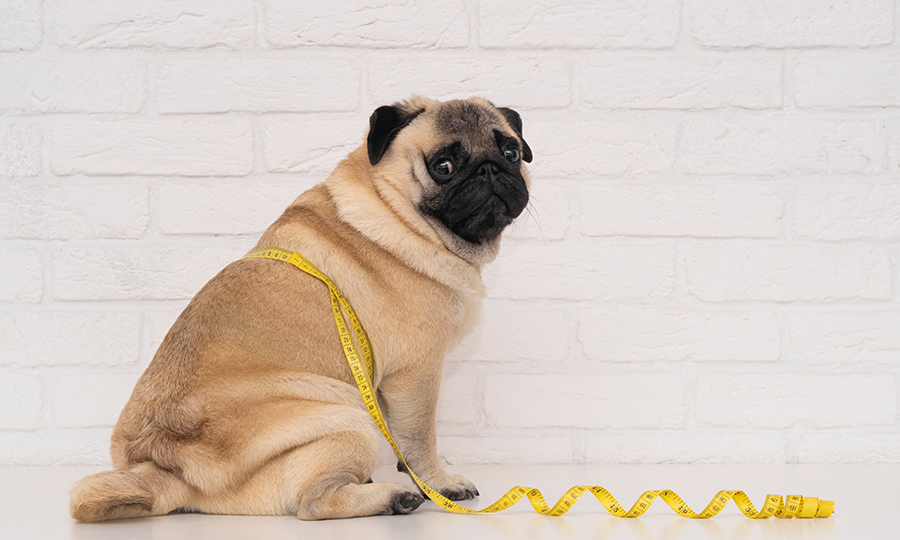
Introduction: Why Is My Dog Gaining Weight Despite a Healthy Diet?
As a pet parent, it can be frustrating when your dog starts gaining weight even though you’re maintaining a healthy diet. Many pet owners are quick to think about food and treats as the main culprits, but weight gain in dogs can be influenced by a number of other factors. While a balanced diet plays an essential role in your dog’s weight management, non-dietary factors can also significantly contribute to weight gain.
In this detailed guide, we’ll delve into four non-dietary reasons that could explain why your dog is gaining weight, and we’ll offer practical tips to help manage it. From exercise to medical conditions, there are many factors at play that go beyond what’s in your dog’s food bowl.
1. Lack of Exercise: How a Sedentary Lifestyle Contributes to Weight Gain
Just like humans, dogs need regular exercise to maintain a healthy weight. Without enough physical activity, dogs can burn fewer calories, and their metabolism can slow down, making it easier for them to gain weight. Dogs, especially those that are confined indoors or have less outdoor play, may experience a sedentary lifestyle, which can lead to weight gain over time.
How Lack of Exercise Affects Weight Gain:
When a dog doesn’t get enough exercise, they’re not burning enough energy to offset the calories they consume, resulting in weight gain. This is particularly true for dogs with high energy levels that require more activity to stay healthy. Additionally, without sufficient exercise, your dog may start to experience a decrease in muscle mass, which can further slow down their metabolism.
How to Address It:
- Increase Exercise Time: Ensure that your dog gets enough physical activity each day. If your dog has low activity levels, try starting with daily walks. Gradually increase the duration and intensity of the walks, or engage in more vigorous activities like hiking, running, or swimming.
- Interactive Play: Dogs love mental stimulation, so consider incorporating interactive toys and puzzle games that encourage them to move around and use their brains. This will help prevent boredom and offer a fun way to burn extra calories.
- Create a Consistent Routine: Consistency is key. Try to establish a daily exercise routine that works for both you and your dog. This will help regulate their metabolism and keep them from gaining unnecessary weight.
Tips for Specific Dog Types:
- Active Breeds (e.g., Border Collies, Retrievers): These breeds need plenty of exercise and mental stimulation to stay healthy and maintain an optimal weight. Engage them in high-intensity activities such as agility training or fetch.
- Less Active Breeds (e.g., Bulldogs, Basset Hounds): While these dogs may not need as much exercise, you should still ensure they get regular movement to maintain their weight.
2. Age and Slowing Metabolism: How Aging Affects Weight
As dogs age, their metabolism tends to slow down, making it easier for them to gain weight. Older dogs, especially those entering their senior years, often become less active due to joint pain, arthritis, or simple reduced energy levels. This decrease in physical activity, coupled with the body’s decreased ability to burn calories, can result in weight gain.
How Aging Leads to Weight Gain:
In addition to a slowing metabolism, older dogs may have a decrease in muscle mass, which can further slow down their calorie-burning capabilities. They may also become more prone to conditions like osteoarthritis, which can make it harder for them to engage in physical activities and remain active. Consequently, weight gain becomes more common in senior dogs.
How to Address It:
- Adjust Their Exercise Routine: While senior dogs may not be able to handle high-impact activities, gentle exercise like short walks, swimming, or light play can still help keep them active and maintain a healthy weight.
- Modify Their Diet: Older dogs often require fewer calories because their metabolism slows. Switching to a senior-specific dog food formula can provide them with the right nutrients without excess calories. Senior diets also often contain joint-supporting ingredients like glucosamine and chondroitin to help with mobility.
- Monitor Weight Regularly: Keep track of your senior dog’s weight with regular weigh-ins. This will help you spot weight gain early on and adjust their food and exercise routine accordingly.
Tips for Senior Dogs:
- Ensure they have an orthopedic bed for extra comfort and joint support.
- Use ramps or steps for easy access to furniture, preventing additional strain on their joints.
- Keep them engaged with low-impact, mentally stimulating activities like scent games or interactive toys.
3. Hormonal Imbalances: How Health Conditions Affect Weight Gain
Hormonal imbalances can have a significant impact on your dog’s weight. Conditions like hypothyroidism (underactive thyroid), Cushing’s disease (overproduction of cortisol), or diabetes can all contribute to weight gain. These conditions affect how your dog’s body processes energy, making them more likely to gain weight or struggle with weight loss.
How Hormonal Imbalances Lead to Weight Gain:
- Hypothyroidism: A thyroid hormone deficiency slows down metabolism, causing weight gain, lethargy, and changes in appetite.
- Cushing’s Disease: The overproduction of cortisol can increase appetite and cause the body to store more fat, especially in the abdominal area.
- Diabetes: Dogs with diabetes may experience fluctuating blood sugar levels that lead to weight gain or loss, along with increased thirst and appetite.
How to Address It:
- Visit the Vet: If you suspect a hormonal imbalance, schedule a check-up with your vet. Blood tests and other diagnostic tools can help confirm the diagnosis.
- Follow Veterinary Treatment Plans: For conditions like hypothyroidism or Cushing’s disease, your vet will likely recommend medication to help manage the hormone levels. Regular check-ups and blood tests are important to ensure that your dog’s condition is under control.
- Diet Adjustments: Depending on the condition, your vet may suggest a specific diet that helps manage your dog’s weight. For example, dogs with hypothyroidism may benefit from a balanced, low-fat diet.
4. Medications: How Certain Medications Cause Weight Gain
Certain medications can contribute to weight gain in dogs, especially steroids or drugs prescribed for inflammation, allergies, or autoimmune diseases. Medications like corticosteroids can increase appetite and cause the body to retain more water and fat, leading to unwanted weight gain.
How Medications Contribute to Weight Gain:
- Steroids: Steroids increase appetite and lead to fluid retention, both of which can contribute to weight gain. Dogs on steroids may also experience changes in their metabolism, making it easier to gain weight.
- Anti-Anxiety Medications: Some medications used to treat anxiety and behavioral issues in dogs can also lead to weight gain as a side effect.
How to Address It:
- Talk to Your Vet: If your dog is on medication and you notice weight gain, speak to your vet. They may be able to adjust the dosage or switch to a different medication that doesn’t have weight-gain side effects.
- Monitor Diet and Exercise: If your dog’s medication increases their appetite, closely monitor their food intake and try to increase their physical activity to offset the extra calories.
- Regular Check-ups: Ensure that your dog’s weight is being monitored regularly by your vet, especially if they are on long-term medications.
Conclusion: Helping Your Dog Maintain a Healthy Weight
If your dog is gaining weight despite a healthy diet, it’s important to consider other factors such as exercise, age, hormonal imbalances, and medications. Addressing these non-dietary causes of weight gain can help you take a more holistic approach to managing your dog’s health and well-being.
By increasing physical activity, adjusting your dog’s routine, and consulting your vet for underlying health conditions, you can help your dog maintain a healthy weight and enjoy a happy, active life.