
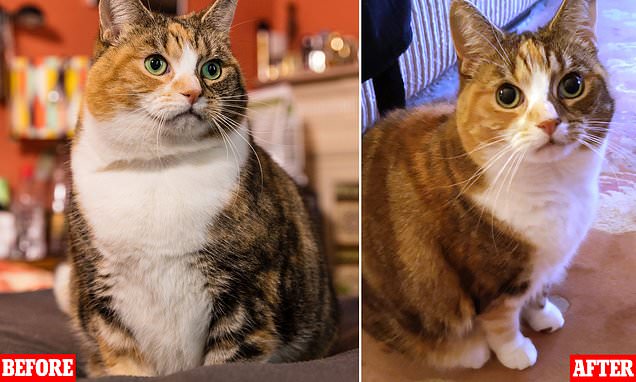
Introduction: The Importance of Maintaining a Healthy Weight for Your Cat
Obesity in cats has become an increasingly common issue, with studies showing that nearly 60% of cats in the U.S. are overweight or obese. Just like in humans, being overweight can lead to a variety of health problems in cats, including diabetes, joint issues, heart disease, and a decreased lifespan. As a responsible pet owner, it’s essential to help your cat maintain a healthy weight for their overall well-being.
While it can be challenging to get a cat to lose weight—particularly since they are often more independent and less motivated by exercise than dogs—it’s not impossible. With the right approach, you can help your cat lose weight safely and effectively. In this guide, we’ll explore 9 expert strategies for getting your cat to lose weight, focusing on diet, exercise, and lifestyle changes.
1. Consult Your Veterinarian for a Weight Management Plan
Before you begin any weight loss program for your cat, it’s important to consult with your veterinarian. Your vet can assess your cat’s current health, determine if they are overweight or obese, and rule out any underlying medical conditions that could be contributing to weight gain, such as thyroid issues, diabetes, or arthritis.
Why a Vet’s Guidance Is Crucial:
- Rule out medical issues: Weight gain can sometimes be a symptom of a health issue that requires treatment. Your vet can perform tests to ensure your cat’s weight gain isn’t caused by an undiagnosed health problem.
- Determine the right weight loss goal: Your vet will help you set realistic and healthy weight loss goals based on your cat’s breed, age, and overall health.
- Create a tailored plan: Your vet can recommend a balanced diet and exercise plan that suits your cat’s individual needs and helps them lose weight safely.
2. Monitor and Control Your Cat’s Food Portions
Portion control is one of the most effective ways to help your cat lose weight. Many cat owners unknowingly overfeed their pets, either by free-feeding (leaving food out all day) or offering too many treats. Overeating is a primary cause of obesity in cats.
How to Control Portions:
- Measure your cat’s food: Use a measuring cup to ensure that you’re feeding your cat the right amount of food based on their ideal weight. Follow the serving guidelines on the food package or as recommended by your vet.
- Scheduled feeding: Instead of leaving food out all day, implement scheduled feeding times—typically 2-3 times a day. This helps control calorie intake and ensures that your cat is eating a balanced amount of food.
- Avoid table scraps: Never feed your cat human food, as it’s often high in calories and fat. Stick to cat-approved treats and food to prevent unnecessary calorie intake.
3. Switch to a High-Protein, Low-Carb Diet
The food you feed your cat plays a crucial role in their weight loss. Cats are obligate carnivores, which means they require protein to thrive. A high-protein, low-carb diet is ideal for promoting weight loss, as it helps maintain muscle mass while reducing fat storage.
What to Look for in a Weight-Loss Diet:
- High-quality protein sources: Look for foods that list meat (chicken, turkey, beef, or fish) as the first ingredient. Protein helps your cat feel full while supporting lean muscle mass.
- Limited carbohydrates: Cats don’t need carbohydrates in their diet, and too many carbs can contribute to weight gain. Opt for cat food with fewer fillers like grains and starches.
- Specialized weight loss formulas: Many commercial cat foods are designed specifically for weight management. These foods are lower in calories but still provide the necessary nutrients to keep your cat healthy.
Consult with your vet to choose a weight loss food that meets your cat’s dietary needs.
4. Gradually Increase Your Cat’s Activity Level
Physical activity is essential for weight loss and maintaining a healthy weight. While cats aren’t as eager to exercise as dogs, they can still be encouraged to move more. Regular activity not only burns calories but also keeps your cat mentally stimulated.
Ways to Increase Physical Activity:
- Interactive toys: Use toys like feather wands, laser pointers, and treat-dispensing puzzles to get your cat moving. These toys stimulate both the mind and the body, encouraging your cat to play and burn calories.
- Create a cat playground: Invest in cat trees, climbing shelves, or window perches that encourage your cat to climb, jump, and explore. This provides a fun and engaging way to increase physical activity.
- Scheduled playtime: Set aside time each day to engage in interactive play with your cat. Short, frequent play sessions (about 10-15 minutes, 2-3 times a day) are more effective than long, infrequent ones.
5. Use Food Puzzles and Slow Feeders
Slow feeders and food puzzles are excellent tools for slowing down your cat’s eating speed while also providing mental stimulation. These interactive feeders can help prevent overeating by making your cat work for their food.
Benefits of Slow Feeders and Food Puzzles:
- Encourages slower eating: Cats often eat too quickly, which can lead to overeating. Slow feeders force your cat to work harder for each bite, helping them feel fuller with fewer calories.
- Increases mental stimulation: Food puzzles provide both physical and mental exercise, helping your cat stay engaged while eating.
- Promotes healthier digestion: Slower eating allows your cat to properly digest their food, reducing the risk of bloating and gastrointestinal issues.
6. Limit Treats and Snacks
Treats are a fun way to bond with your cat, but they can also add unnecessary calories. If your cat’s weight loss is slow or stagnant, it may be due to overfeeding treats. Reducing treat intake is an essential part of any weight loss plan.
How to Control Treat Intake:
- Offer healthy treats: Choose low-calorie treats, or offer small pieces of their regular food as treats. Avoid high-fat treats and human foods.
- Limit treat frequency: Treats should make up no more than 10% of your cat’s daily caloric intake. If your cat gets treats throughout the day, consider reducing the amount or replacing them with extra playtime.
- Use treats for training: If you’re using treats for training or behavior reinforcement, make sure to reduce their regular food intake slightly to account for the extra calories.
7. Track Progress with Regular Weigh-Ins
Regular weigh-ins are a great way to track your cat’s progress and adjust their diet and exercise plan as needed. Weigh your cat every 1-2 weeks to monitor any changes in their weight. This will help you stay on track and ensure that your cat is losing weight in a healthy and controlled manner.
How to Weigh Your Cat:
- Use a baby scale or pet scale: If you have a small cat, you can use a baby scale to weigh them. For larger cats, a pet scale may be more appropriate.
- Record their weight: Keep a log of your cat’s weight to track progress. If you notice that their weight loss has plateaued, consult with your vet to adjust their feeding or activity plan.
8. Address Stress and Anxiety
Stress can contribute to overeating in cats, especially if they are using food as a coping mechanism. Managing your cat’s stress levels is an important aspect of weight loss and overall health.
How to Reduce Stress in Your Cat:
- Create a calm environment: Ensure that your cat has a quiet, safe space where they can retreat when they feel stressed.
- Enrich their environment: Provide scratching posts, climbing trees, and interactive toys to keep your cat engaged and mentally stimulated.
- Avoid major changes: Sudden changes in routine, such as moving to a new home or adding another pet, can be stressful for your cat. Try to maintain a consistent environment.
9. Be Patient and Consistent
Weight loss is a gradual process, and it’s important to be patient and consistent. Cats can lose weight slowly, and the goal should be to achieve steady, sustainable weight loss rather than rapid results.
Tips for Staying Consistent:
- Stick to a routine: Consistency is key when it comes to diet and exercise. Stick to a feeding schedule and make time for daily play sessions.
- Don’t rush the process: Rapid weight loss can lead to health issues like liver disease. Aim for a weight loss of about 1-2% of your cat’s body weight per week, which is a safe and gradual rate.
Conclusion: Helping Your Cat Achieve a Healthy Weight
Getting your cat to lose weight requires dedication, consistency, and the right approach. By consulting your veterinarian, controlling portions, offering a healthy diet, increasing physical activity, and being patient, you can help your cat reach and maintain a healthy weight.
Remember that maintaining a healthy weight is an ongoing process, and every step you take to improve your cat’s diet and lifestyle will contribute to their long-term health and happiness. Your cat’s well-being is worth the effort, and with the right strategies, you can help them achieve a healthy weight and a higher quality of life.
Health Disclaimer: This post is educational in nature and doesn’t constitute health advice. Please consult your pet’s veterinarian or other healthcare professionals for specific guidance on this topic.