
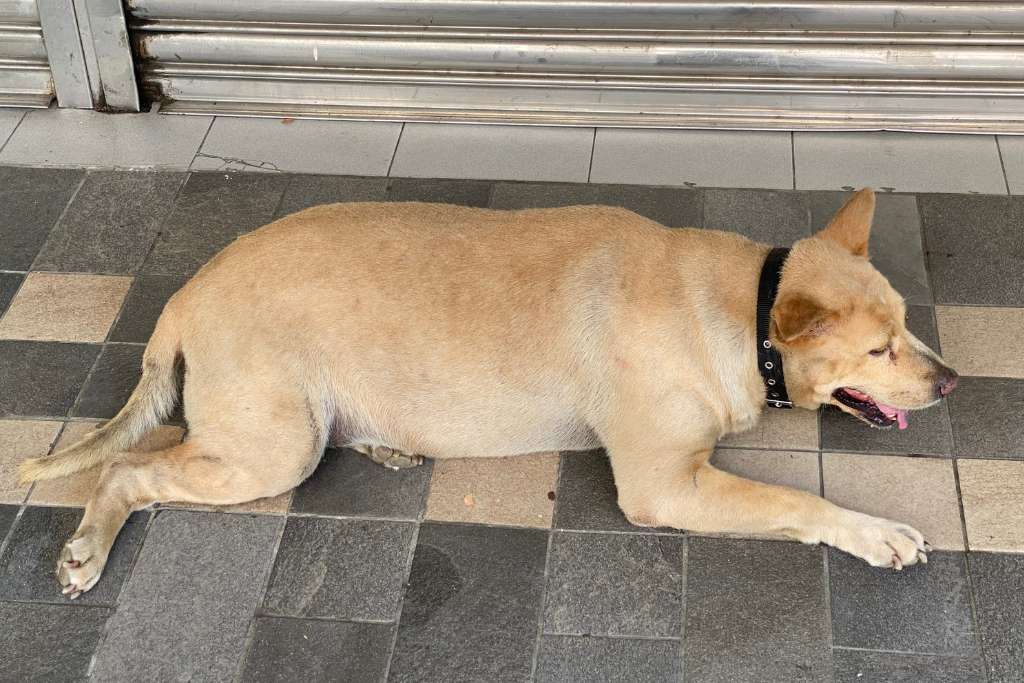
Introduction: The Importance of Weight Management for Dogs
Maintaining a healthy weight is just as important for dogs as it is for humans. Obesity in dogs has become a growing concern, with over 50% of dogs in the U.S. being classified as overweight or obese. Just like in humans, extra weight puts unnecessary stress on your dog’s joints, increases the risk of chronic diseases like diabetes and heart disease, and can significantly reduce their quality of life.
If your dog is carrying a few extra pounds, it’s important to develop a weight loss plan that focuses on safe, gradual weight loss while supporting their overall health. In this guide, we’ll help you create an effective weight loss plan for your dog, covering everything from diet adjustments and portion control to exercise routines and veterinary support.
Step 1: Consult Your Veterinarian
Before you start any weight loss plan for your dog, it’s essential to consult with your veterinarian. Your vet can assess your dog’s current health, determine if they are overweight, and help rule out any underlying medical conditions that could be contributing to weight gain, such as hypothyroidism, diabetes, or arthritis.
Why a Vet’s Guidance Is Essential:
- Determine target weight: Your vet can help determine your dog’s ideal weight and create a weight loss goal based on their breed, size, age, and overall health.
- Rule out medical conditions: Some health conditions can make it difficult for dogs to lose weight. Your vet will conduct tests to ensure there are no underlying health issues that need treatment.
- Create a tailored plan: Based on your dog’s individual needs, your vet will recommend a customized diet and exercise plan that will help your dog lose weight safely and effectively.
Step 2: Set Realistic Weight Loss Goals
Setting realistic and achievable weight loss goals is key to ensuring a healthy and sustainable weight loss journey for your dog. Rapid weight loss can lead to muscle loss, dehydration, and other health issues, so it’s important to aim for gradual progress.
How to Set Weight Loss Goals:
- Aim for 1-2% of body weight per week: A safe and healthy rate of weight loss for dogs is about 1-2% of their body weight per week. For example, a 50-pound dog should lose no more than 1 to 1.5 pounds per week.
- Track progress regularly: Weigh your dog every 1-2 weeks to monitor their progress. Make sure to adjust their diet and exercise plan as needed based on their weight loss progress.
- Be patient: Weight loss can take time, so it’s important to be patient and consistent. It’s better to lose weight gradually than to risk health issues from quick, drastic changes.
Step 3: Adjust Your Dog’s Diet
Diet plays a crucial role in your dog’s weight loss journey. Overfeeding and high-calorie food are the primary causes of weight gain in pets. Adjusting your dog’s diet to focus on healthy, lower-calorie options is essential for weight loss.
How to Adjust Your Dog’s Diet:
- Measure portions: Use a measuring cup to accurately portion your dog’s food. Most dog food bags provide serving guidelines based on your dog’s ideal weight, but this is just a starting point. Be sure to follow your vet’s recommendations for portion sizes.
- Choose high-quality, lower-calorie food: Look for dog food that’s high in protein and low in fat. These foods will keep your dog feeling full while helping them shed excess pounds. Consider switching to weight management formulas that are designed for calorie control.
- Avoid table scraps: While it can be tempting to give your dog table scraps or human food, these can contribute to unnecessary calorie intake. Stick to dog-approved treats and food to help control calorie consumption.
- Limit treats: Treats can quickly add up in calories, so limit the number of treats you give your dog and choose healthier, low-calorie options. Use small amounts of their regular food as treats if necessary.
Special Dietary Tips for Weight Loss:
- Increase fiber intake: Fiber helps your dog feel full while reducing the number of calories they consume. Look for foods that are high in fiber, or consider adding fiber-rich vegetables like pumpkin or green beans to their meals.
- Monitor feeding frequency: Some dogs benefit from smaller, more frequent meals instead of one or two large meals. This can help manage hunger and maintain steady energy levels.
Step 4: Create an Exercise Routine
Exercise is a key component of any weight loss plan. Just like in humans, physical activity helps burn calories, increase muscle mass, and boost metabolism. The goal is to increase your dog’s activity level in a way that’s safe and manageable.
How to Increase Your Dog’s Exercise:
- Start slow: If your dog is overweight and hasn’t been very active, start with gentle exercise. Begin with short walks, gradually increasing the duration and intensity as your dog gets more comfortable.
- Interactive play: Use toys like fetch balls, tug-of-war ropes, or laser pointers to encourage your dog to move and engage in active play. Interactive play helps stimulate both their body and mind, which is great for weight loss.
- Swimming: Swimming is a low-impact exercise that’s easy on your dog’s joints, making it an excellent option for overweight or older dogs.
- Consistency is key: Make sure your dog gets regular exercise every day. Aim for at least 30 minutes to an hour of exercise per day, depending on their size and breed.
Fun Ways to Increase Activity:
- Agility courses: Setting up an agility course in your backyard or using indoor agility toys is a fun way to keep your dog active while also providing mental stimulation.
- Hiking and walking: If your dog enjoys being outdoors, consider going on nature walks or hikes together. The added terrain challenges will help burn more calories.
- Training sessions: Incorporating basic obedience training or trick training into your dog’s daily routine provides mental stimulation and can help them stay active.
Step 5: Monitor Progress and Adjust the Plan
Once you’ve implemented the diet and exercise plan, it’s important to regularly track your dog’s progress and make adjustments as needed. Weight loss may not always be linear, so be prepared to modify your plan based on your dog’s needs.
Tips for Monitoring Progress:
- Weigh your dog regularly: Weigh your dog every 1-2 weeks to track weight loss and ensure they’re on the right track. If your dog is not losing weight, consult your vet to adjust the plan.
- Check for muscle loss: It’s important to ensure your dog is losing fat and not muscle. If your dog seems to be losing muscle mass, make adjustments to their diet and exercise routine to prevent this.
- Track behavior and energy levels: Keep an eye on your dog’s behavior and energy levels. If they seem overly fatigued or lethargic, it might be a sign that their weight loss plan is too aggressive.
Step 6: Be Consistent and Patient
Weight loss takes time, especially in pets. Be consistent with the weight loss plan, stick to the feeding and exercise routine, and avoid sudden changes. It’s important to maintain patience throughout the process, as gradual and sustainable weight loss is key to your dog’s long-term health.
Staying Consistent:
- Avoid shortcuts: Don’t try extreme diets or exercise plans, as they can harm your dog’s health. Aim for slow, steady weight loss through a balanced approach.
- Positive reinforcement: Celebrate your dog’s progress with praise, extra playtime, or a healthy treat. Positive reinforcement helps keep both you and your dog motivated.
Conclusion: Helping Your Dog Achieve a Healthy Weight
Helping your dog lose weight requires patience, consistency, and a comprehensive approach that includes proper diet, exercise, and regular monitoring. By creating a tailored weight loss plan with your veterinarian’s help and sticking to it, you can help your dog achieve and maintain a healthy weight that supports their overall well-being.
Remember, weight loss is a gradual process, and with the right support, your dog will be on their way to a healthier and more active life. Be patient, stay consistent, and enjoy the journey to better health for your furry friend!
Shop Dog Food Best Sellers

Grain Free Beef Clusters
$73.25
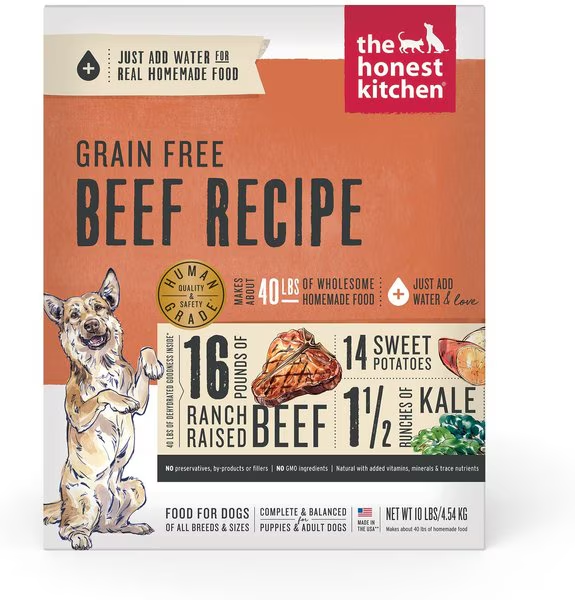
Dehydrated Grain Free Beef
$109.99
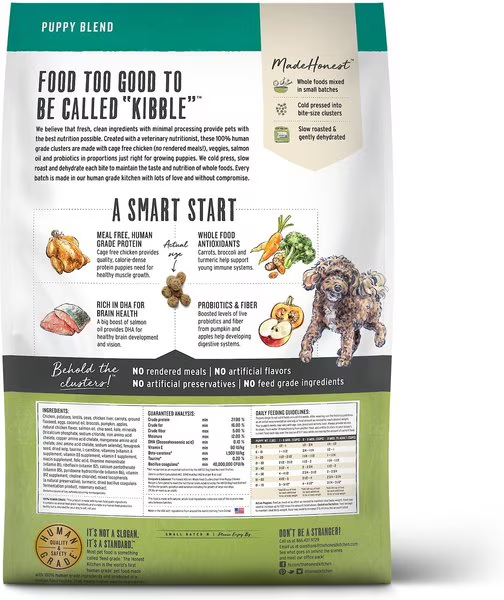
Grain Free Chicken Clusters for Puppies
$99.99