
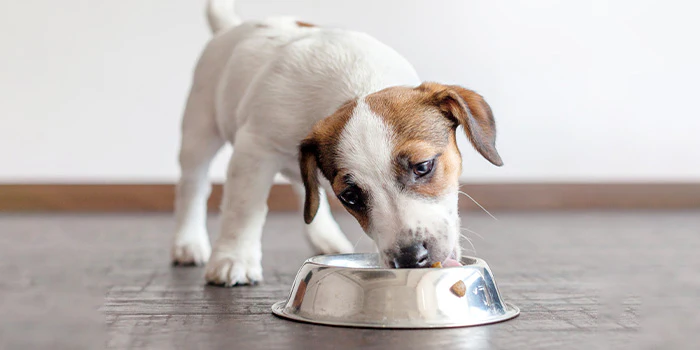
Introduction: Why Proper Feeding is Essential for Your Puppy’s Growth and Development
Raising a puppy is an exciting journey, but it comes with a lot of responsibilities, especially when it comes to feeding. As a pet parent, you want to ensure that your puppy is getting the right nutrients at the right time to fuel their rapid growth and development. A balanced, nutritious diet is the foundation for your puppy’s overall health, energy, and well-being, helping them build strong bones, muscles, and immune systems.
Feeding your puppy the right amount of food at the right time is crucial, but with so many different dog food options available, it can be confusing to figure out exactly what they need. In this guide, we’ll take you through a comprehensive puppy feeding chart, the factors that influence how much you should feed your puppy, and helpful tips to ensure they get the right amount of food for their breed and age.
The Importance of Puppy Nutrition
Puppies go through rapid growth and development in the first year of life, and their nutritional needs change significantly during this period. Proper feeding helps:
- Promote healthy growth: Puppies need a nutrient-dense diet that supports muscle, bone, and organ development.
- Boost immune function: A high-quality diet full of vitamins, minerals, and antioxidants helps strengthen your puppy’s immune system and guard against illness.
- Provide energy: Growing puppies have higher energy requirements due to their physical and mental development.
- Prevent health issues: Feeding your puppy the correct portion sizes can help prevent obesity, digestive issues, and joint problems later in life.
Key Considerations for Puppy Feeding
Before diving into the specific feeding chart, it’s important to understand a few key factors that influence how much food your puppy needs:
1. Breed Size and Type
- Small breed puppies (such as Chihuahuas or Pomeranians) have fast metabolisms and need more energy per pound of body weight.
- Large breed puppies (like Labrador Retrievers or German Shepherds) grow more slowly and need food that supports controlled growth to prevent joint problems.
- Medium breed puppies (like Cocker Spaniels or Beagles) fall somewhere in between in terms of their energy and growth requirements.
2. Age
Puppies go through several developmental stages, and their food needs will vary depending on their age. The three main stages are:
- Weaning (4-6 weeks): At this stage, puppies start transitioning from mother’s milk to solid food.
- Growth (6-12 months): During this phase, puppies are growing rapidly and need higher levels of protein and fat to support their growth.
- Adulthood (12 months and beyond): Once your puppy reaches adulthood, they will require less food and a different balance of nutrients.
3. Activity Level
Puppies who are very active, playful, and energetic may need more food to fuel their activities, while puppies who are less active may require fewer calories. Keep an eye on your puppy’s weight and adjust their food intake as needed to maintain a healthy weight.
Puppy Feeding Chart: How Much and When to Feed Your Puppy
The following chart outlines general guidelines for feeding your puppy, based on their age and weight. These amounts are only recommendations and may vary based on your puppy’s specific needs, breed, and activity level.
| Puppy Age | Small Breeds (Up to 20 lbs) | Medium Breeds (21-50 lbs) | Large Breeds (51 lbs and up) |
|---|---|---|---|
| 8-12 weeks | 3-4 meals per day | 3-4 meals per day | 3-4 meals per day |
| 3-6 months | 3 meals per day | 3 meals per day | 3 meals per day |
| 6-12 months | 2-3 meals per day | 2-3 meals per day | 2-3 meals per day |
| 12 months and older | 2 meals per day | 2 meals per day | 2 meals per day |
How to Interpret the Chart:
- Small Breeds: These puppies generally reach adulthood by 10-12 months, so they have shorter periods of rapid growth. Smaller breeds need more frequent meals to maintain their high energy levels.
- Medium Breeds: Medium-sized puppies grow more gradually and need consistent nutrition throughout their first year. They typically need 3 meals per day during the first 6 months and can transition to 2 meals per day at around 12 months.
- Large Breeds: Large breed puppies grow slowly and require controlled feeding to avoid overfeeding, which could lead to joint issues. For these breeds, you’ll want to focus on a food formulated for large breed puppies that promotes slower growth.
Tips for Feeding Your Puppy
1. Choose High-Quality Puppy Food
When selecting puppy food, look for brands that offer complete and balanced nutrition. A high-quality food designed for puppies will contain the right balance of protein, fat, fiber, vitamins, and minerals to support their growth and development. Opt for food made with whole animal proteins (like chicken, turkey, or lamb) and avoid foods with excessive fillers, by-products, and artificial additives.
2. Follow Feeding Guidelines
Every puppy food brand will have specific feeding guidelines based on your puppy’s weight and age. Make sure to follow these guidelines, but adjust based on your puppy’s appetite, activity level, and growth. If your puppy is gaining weight too quickly, you may need to decrease the amount of food slightly, or if they’re not gaining weight as expected, you may need to increase their portions.
3. Keep Fresh Water Available
Always provide fresh, clean water alongside your puppy’s meals. Hydration is key to healthy digestion and overall well-being, especially when puppies are transitioning to solid food.
4. Avoid Overfeeding
Overfeeding can lead to rapid weight gain and obesity, which can strain your puppy’s developing joints. Stick to the recommended serving sizes on the food packaging and monitor your puppy’s weight regularly. If your puppy starts to gain weight too quickly, consult your vet for advice on portion control.
5. Transitioning Food
When transitioning your puppy to a new food, do it gradually over a 7-10 day period. Start by mixing a small amount of the new food with their current food, and increase the proportion of new food each day. This gradual transition helps prevent stomach upset and ensures that your puppy’s digestive system adjusts to the change.
Common Mistakes to Avoid
- Feeding adult food too early: Puppies have different nutritional needs than adult dogs. Don’t feed adult dog food to a puppy unless recommended by your vet, as it won’t provide the right nutrients for growth.
- Not adjusting portions: As your puppy grows, their calorie requirements will change. Make sure to adjust the amount of food based on your puppy’s age and weight to ensure they’re getting the right amount of nutrition.
- Skipping meals: Puppies are growing rapidly and need consistent meals throughout the day. Skipping meals or not providing enough food can lead to nutritional deficiencies or undernourishment.
Conclusion: The Right Nutrition for a Healthy, Happy Puppy
Feeding your puppy properly is one of the most important aspects of raising a healthy, happy dog. By following a feeding chart and adjusting portions based on your puppy’s breed, size, and activity level, you can ensure they get the right balance of nutrients for healthy growth and development.
Choose high-quality puppy food, monitor your puppy’s weight and health, and make sure they’re getting the appropriate amount of food at the right intervals. With the right diet, your puppy will grow into a strong, energetic, and well-nourished adult dog.
*Health Disclaimer: This post is educational in nature and doesn’t constitute health advice. Please consult your pet’s veterinarian or other healthcare professional for specific guidance on this topic.