

Introduction: Why Calorie Intake Matters for Your Cat’s Health
As a cat owner, providing your furry companion with the right nutrition is essential for their health, well-being, and longevity. One of the most crucial aspects of feeding your cat is understanding how many calories they should consume daily. Too few calories can lead to malnutrition and weight loss, while too many can result in obesity and related health problems like diabetes, heart disease, and joint issues.
Understanding your cat’s caloric needs is key to ensuring they maintain a healthy weight, stay active, and enjoy a happy life. This guide will walk you through how to determine the right number of calories for your cat based on their age, weight, activity level, and health condition. We’ll also discuss how to choose the right food to meet those needs and help you maintain your cat’s optimal health.
The Basics of Cat Nutrition: Calories, Protein, Fats, and Carbohydrates
Before diving into how many calories your cat should eat, it’s important to understand what makes up the energy they need to stay healthy. Like all animals, cats require a combination of macronutrients—proteins, fats, and carbohydrates—to maintain their body functions.
- Protein: Cats are obligate carnivores, meaning they rely on animal protein to get the amino acids they need for muscle growth, repair, and energy.
- Fats: Healthy fats provide essential fatty acids that support brain function, healthy skin, and coat.
- Carbohydrates: While cats don’t require carbs like humans or other animals, small amounts of digestible carbohydrates can provide energy and fiber.
Most commercial cat foods are formulated to meet the nutritional requirements of cats, but it’s still important to manage their calorie intake to ensure they don’t overeat or undereat.
How Many Calories Should Your Cat Eat?
The number of calories your cat needs depends on several factors, including their weight, age, activity level, and health status. The general guideline for adult cats is:
- Adult Cat (indoor, healthy weight): Between 20-30 calories per pound of body weight.
- Kittens: Kittens have higher energy needs due to their rapid growth and development. They may require 40-50 calories per pound of body weight.
- Senior Cats: Older cats may need fewer calories, especially if they’re less active or have health issues. Generally, older cats need about 20 calories per pound, but this can vary depending on their condition.
Estimating Your Cat’s Daily Caloric Needs
To calculate how many calories your cat should eat, start with their weight. Multiply your cat’s weight in pounds by the recommended calorie intake per pound, which varies based on their age and activity level. Here’s a simple breakdown:
- For adult cats (healthy weight):
- Weight in pounds x 20-30 calories = Daily caloric intake.
- For kittens:
- Weight in pounds x 40-50 calories = Daily caloric intake.
- For senior cats:
- Weight in pounds x 20 calories = Daily caloric intake (adjust based on activity level and health).
For example, a 10-pound healthy adult cat needs approximately 200-300 calories per day, depending on their activity level.
Activity Level and Caloric Needs
Your cat’s activity level plays a significant role in determining how many calories they should eat. Cats that are more active or have higher energy levels (like outdoor cats or those that play frequently) will require more calories to fuel their activity. Conversely, sedentary or older cats that have lower activity levels may need fewer calories to avoid gaining excess weight.
- Active cats: These cats might require the higher end of the calorie range (30 calories per pound) to support their energy needs.
- Sedentary or senior cats: Cats that are less active or older may need fewer calories—closer to the lower end of the range (20 calories per pound).
Cats with Special Health Considerations
Certain health conditions or life stages can affect your cat’s caloric needs, requiring adjustments to their diet.
- Pregnant or lactating cats: Female cats that are pregnant or nursing kittens will have higher energy needs and may require up to 50-70 calories per pound of body weight to support the development of their kittens and milk production.
- Overweight or obese cats: If your cat is overweight or obese, they will need fewer calories to promote healthy weight loss. Consult your veterinarian for a tailored feeding plan.
- Sick or recovering cats: Cats recovering from illness or surgery may have lower calorie needs if they’re not as active. However, they may need nutrient-dense food to support recovery.
How to Choose the Right Food to Meet Your Cat’s Caloric Needs
Now that you know how many calories your cat needs, it’s important to choose the right food to meet those requirements. Here’s how to ensure your cat is getting the proper nutrition:
1. Choose High-Quality Protein
Protein is the cornerstone of your cat’s diet. Look for foods that list animal-based proteins like chicken, turkey, fish, or lamb as the first ingredient. Protein is essential for energy and muscle maintenance, especially for active cats.
2. Opt for High-Fat Content for Energy
Healthy fats provide concentrated calories and are essential for energy, brain function, and a shiny coat. Look for high-quality fat sources like chicken fat, fish oil, or flaxseed to provide omega-3 and omega-6 fatty acids.
3. Avoid Fillers and Empty Carbs
While some carbohydrates can provide beneficial fiber, it’s important to avoid foods that are filled with empty calories from grains like corn, wheat, and soy. Cats have little to no nutritional need for these fillers, and they can contribute to weight gain and digestive upset.
4. Wet vs. Dry Food
Both wet and dry food can be nutritionally complete, but they offer different advantages:
- Wet food: Typically lower in calories per serving but higher in moisture, which helps keep your cat hydrated and promotes urinary tract health.
- Dry food: More calorie-dense, so you may need to feed smaller portions. It’s convenient and helps keep your cat’s teeth clean but should be supplemented with fresh water.
5. Consider Special Diets
If your cat has special dietary needs, such as being overweight, underweight, or dealing with a medical condition, consider formulas designed specifically for their needs. These formulas are carefully crafted to provide the right balance of calories, protein, and fats to promote health and recovery.
Signs Your Cat Is Eating the Right Amount of Calories
While it’s important to follow feeding guidelines, you should also monitor your cat’s condition to ensure they’re getting the right amount of food. Here are some signs that indicate whether your cat is eating the right amount of calories:
- Healthy weight: Your cat should have a healthy weight that is consistent with their breed and age. You should be able to feel their ribs without too much fat covering them, but not see them protruding.
- Energy levels: A well-fed cat should have plenty of energy and be playful and active throughout the day.
- Healthy coat and skin: A shiny, soft coat and healthy skin are indicators of good nutrition and proper calorie intake.
If you notice your cat is gaining weight or losing weight, or if they are lethargic or have a dull coat, it could be a sign they’re not eating the right amount of calories.
Conclusion: Tailoring Your Cat’s Diet for Optimal Health
Feeding your cat the right number of calories is essential for their overall health and well-being. By considering their weight, age, activity level, and health condition, you can determine how many calories they should consume and adjust their diet accordingly. Remember, the quality of the food you feed your cat is just as important as the quantity, so choose high-quality foods that are rich in protein and healthy fats, and low in fillers and artificial additives.
By carefully monitoring your cat’s calorie intake and choosing the right food, you’ll ensure they stay healthy, energetic, and happy throughout their life. Always consult your veterinarian if you’re unsure about how much to feed your cat or if you notice any changes in their weight, energy, or health.
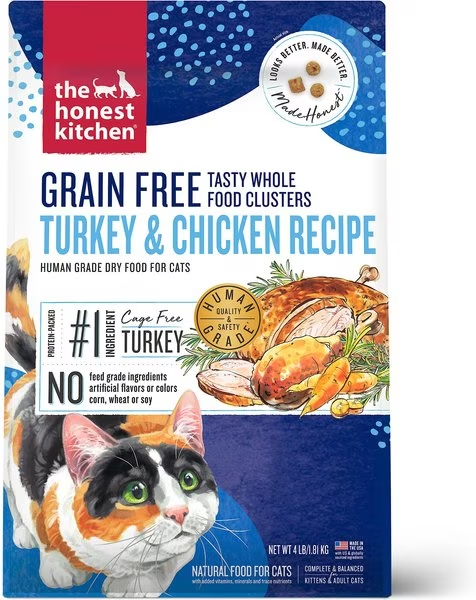
Grain Free Turkey & Chicken Clusters
$29.99
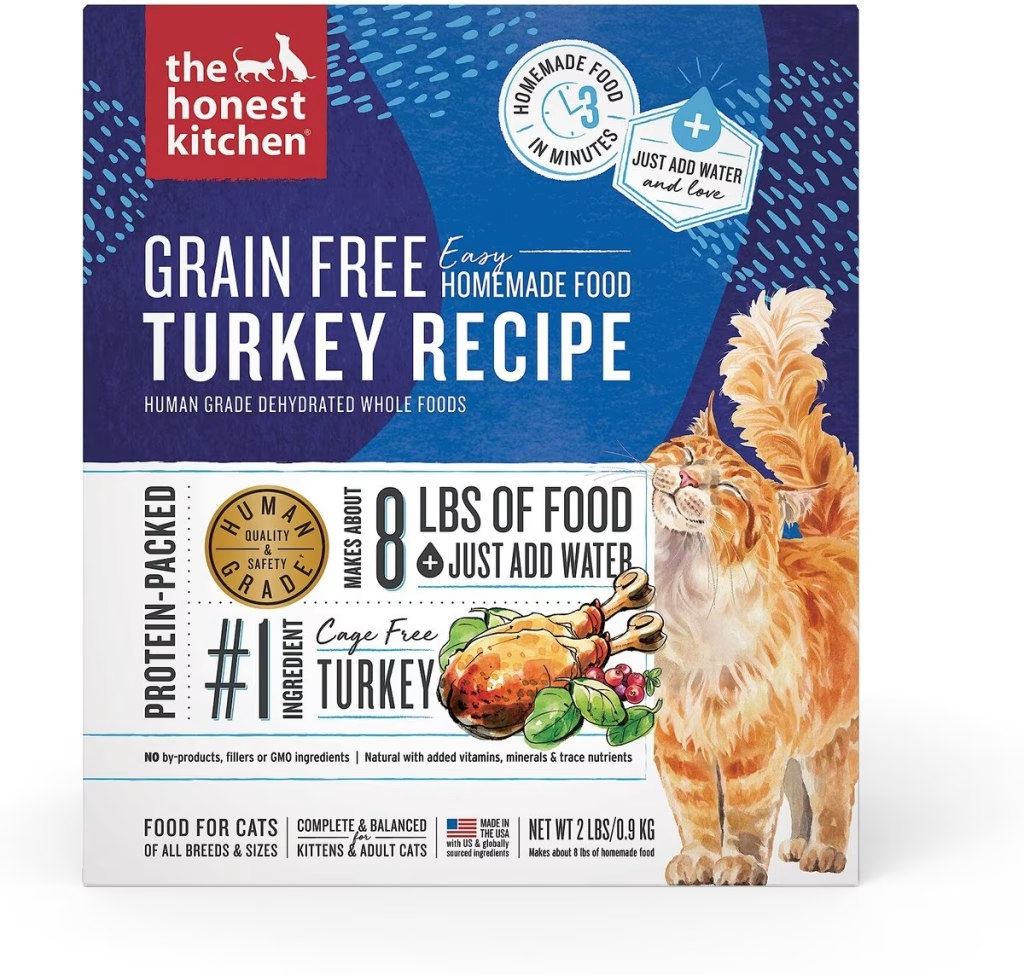
Grain Free Turkey Dehydrated Cat Food
$31.99