
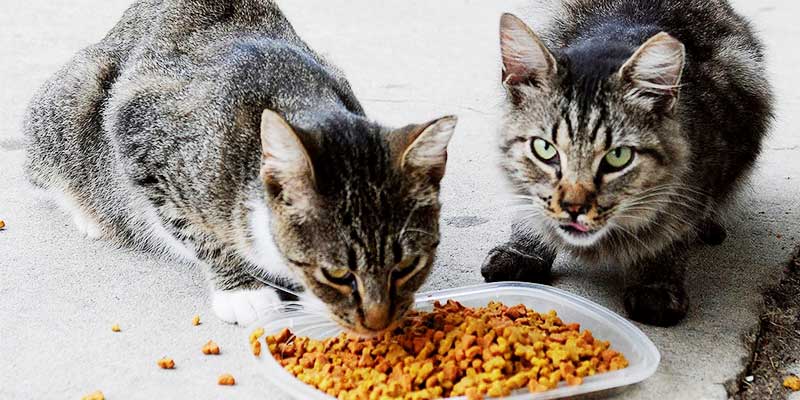
Introduction: The Importance of Proper Feeding for Your Cat’s Health
As a cat owner, one of the most important aspects of providing good care for your feline companion is ensuring they receive the correct amount of food. Overfeeding or underfeeding your cat can lead to a variety of health issues, such as obesity, malnutrition, and digestive problems. So, how do you determine the right portion size to keep your cat healthy and satisfied?
Understanding how much to feed your cat depends on several factors, including their age, weight, activity level, and health condition. This comprehensive guide will help you understand how to calculate the right amount of food for your cat, what to look for in their diet, and how to adjust portions to suit their specific needs.
Factors That Influence How Much to Feed Your Cat
1. Age and Life Stage
A kitten, adult, and senior cat all have different nutritional needs, which impacts how much food they require each day.
- Kittens: Kittens are in a rapid growth phase and need more calories to support their development. They usually require 3-4 meals a day and should be fed a food specifically formulated for kittens to meet their high energy and nutrient needs.
- Adult Cats: Adult cats typically need two meals a day. Their caloric needs are based on their activity level and weight, with indoor cats usually needing fewer calories than outdoor or more active cats.
- Senior Cats: Older cats may require fewer calories due to a decrease in activity level and metabolism. They may also have specific dietary needs based on health conditions, such as arthritis or kidney disease.
2. Activity Level
A cat’s level of activity plays a significant role in how much food they need. Active cats, especially those who go outdoors or engage in high-energy activities, will require more calories to maintain their weight and energy levels.
- Active cats: Cats that are highly active or outdoor cats may need more food to fuel their energy demands. They typically need the higher end of the calorie range for their size.
- Less active cats: Cats who are less active or older may need fewer calories to prevent weight gain and maintain a healthy weight.
3. Weight and Body Condition
Maintaining an ideal body weight is essential for your cat’s overall health. Overweight or obese cats may require a carefully controlled diet to help them lose weight, while underweight cats may need more food to help them gain weight.
- Overweight cats: Overfeeding can lead to obesity, which puts strain on your cat’s joints, heart, and overall health. If your cat is overweight, it’s important to reduce portion sizes and feed them a weight management food.
- Underweight cats: Cats that are underweight or have trouble gaining weight may need additional calories, especially if they’re recovering from illness or surgery. Consult your veterinarian to ensure they receive the proper nutrition to support healthy weight gain.
4. Health Conditions
Cats with certain medical conditions may have specific dietary needs. For example, cats with diabetes or kidney disease often require special diets that provide specific nutrients in carefully calculated amounts.
- Health issues: If your cat has any health conditions, consult your veterinarian for personalized feeding recommendations based on their medical needs.
How Much Should You Feed Your Cat? General Guidelines
The amount of food your cat needs depends on their size, age, and activity level. Below are general guidelines to help you determine how much to feed your cat each day:
1. Kittens (Up to 1 Year)
Kittens are growing rapidly and need more food than adult cats. Generally, kittens should be fed 3-4 meals per day until they are about 6 months old, at which point they can transition to 2 meals per day.
- Kittens under 6 months: Approximately 40-50 calories per pound of body weight per day.
- Kittens 6-12 months: Approximately 30-40 calories per pound of body weight per day.
2. Adult Cats (1-7 Years)
Adult cats, who are not overweight, typically need 20-30 calories per pound of body weight per day. For example, an 8-pound adult cat needs between 160-240 calories per day.
- Inactive or indoor cats: Around 20-25 calories per pound.
- Active or outdoor cats: Around 25-30 calories per pound.
3. Senior Cats (7+ Years)
Senior cats may need fewer calories as their activity levels decrease. They also tend to experience changes in metabolism, so it’s essential to monitor their weight and adjust food portions accordingly.
- Senior cats: Generally, 20-25 calories per pound of body weight per day is a good guideline, but adjustments should be made based on health needs.
4. Overweight Cats
For cats that need to lose weight, reducing their calorie intake while still meeting nutritional needs is important. Usually, a veterinarian will recommend a specific weight-loss food and a calorie-reduced feeding plan to help your cat lose weight safely.
- Calorie-controlled foods: Use foods specifically designed for weight management, which typically have fewer calories but still provide adequate nutrition.
- Portion control: Use a scale or measuring cups to ensure you’re feeding the right amount, and don’t leave food out all day (avoid free-feeding).
How to Read Cat Food Labels and Calculate Portions
When determining how much to feed your cat, it’s essential to know how to read the food label and interpret portion sizes. Most commercial cat food packages provide a recommended daily feeding amount based on your cat’s weight and age. Follow these guidelines and adjust according to your cat’s specific needs.
- Dry food: Dry food tends to be calorie-dense, so smaller portions are usually needed. Always check the serving size based on your cat’s weight.
- Wet food: Wet food has a higher moisture content, which makes it less calorie-dense than dry food. Therefore, your cat may need more wet food to meet their calorie requirements.
- Combination feeding: If you feed both wet and dry food, combine the calories to determine the total intake. For example, if you feed half wet food and half dry food, split the total calorie requirement between the two types of food.
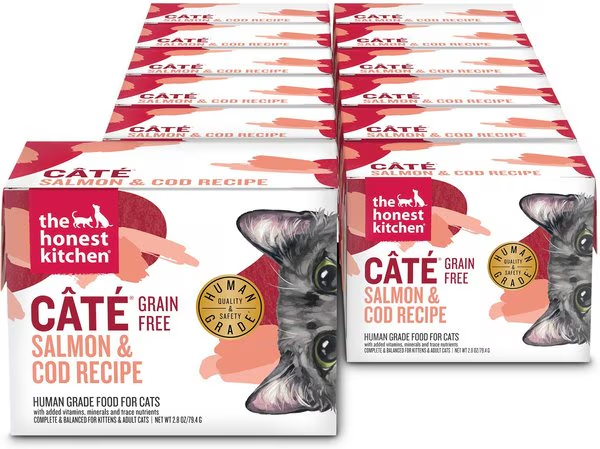
Grain Free Salmon & Cod Câté (Pâté)
$17.86
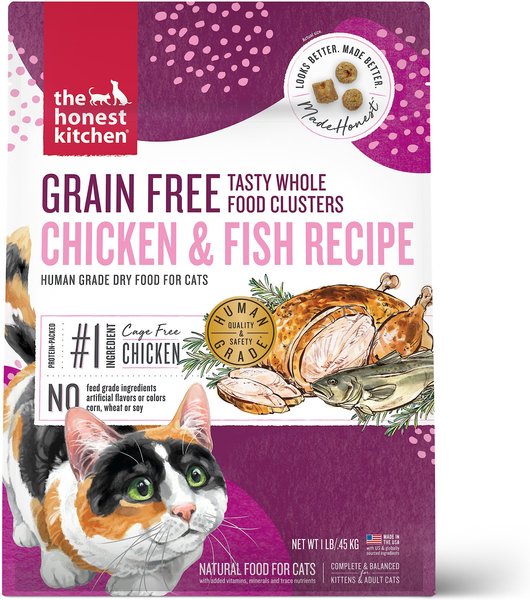
Grain Free Chicken & Whitefish Clusters
$5.84
Measuring and Portion Control
To prevent overfeeding or underfeeding, it’s essential to measure your cat’s food accurately:
- Use a scale or measuring cups: Weigh your cat’s food or use a measuring cup to ensure you’re feeding the correct portion sizes.
- Monitor weight and health: Keep an eye on your cat’s weight and condition. If they start gaining or losing weight rapidly, adjust their portions accordingly and consult with your vet if necessary.
Tips for Feeding Your Cat the Right Amount
- Feed multiple meals: Most cats prefer to eat smaller meals throughout the day. Ideally, feed them two meals a day, and avoid free-feeding to help prevent overeating.
- Offer fresh water: Always provide fresh, clean water for your cat to stay hydrated. Cats that eat primarily dry food are at a higher risk of urinary tract issues and dehydration, so moisture from wet food can help supplement their hydration.
- Monitor portion sizes: Stick to the recommended portion sizes based on your cat’s weight, and adjust them if your cat’s activity level or health changes.
- Use a feeding schedule: Establish a feeding schedule to keep your cat on a consistent routine. Cats thrive on consistency, and regular meal times help regulate their metabolism.
Conclusion: Ensuring Your Cat’s Health with Proper Feeding
Feeding your cat the right amount of food is essential for their overall health, energy, and well-being. By considering factors like age, weight, activity level, and health conditions, you can determine how much food your cat needs to maintain an ideal weight and prevent overeating or malnutrition.
Remember to choose high-quality food that meets your cat’s nutritional requirements, measure portions carefully, and adjust feeding amounts as needed. Regular monitoring of your cat’s weight and health will help ensure they are thriving, happy, and healthy.
If you’re ever unsure about how much to feed your cat, or if they have specific dietary needs, consult with your veterinarian to develop a personalized feeding plan.
*Health Disclaimer: This post is educational in nature and doesn’t constitute health advice. Please consult your pet’s veterinarian or other healthcare professional for specific guidance on this topic.