
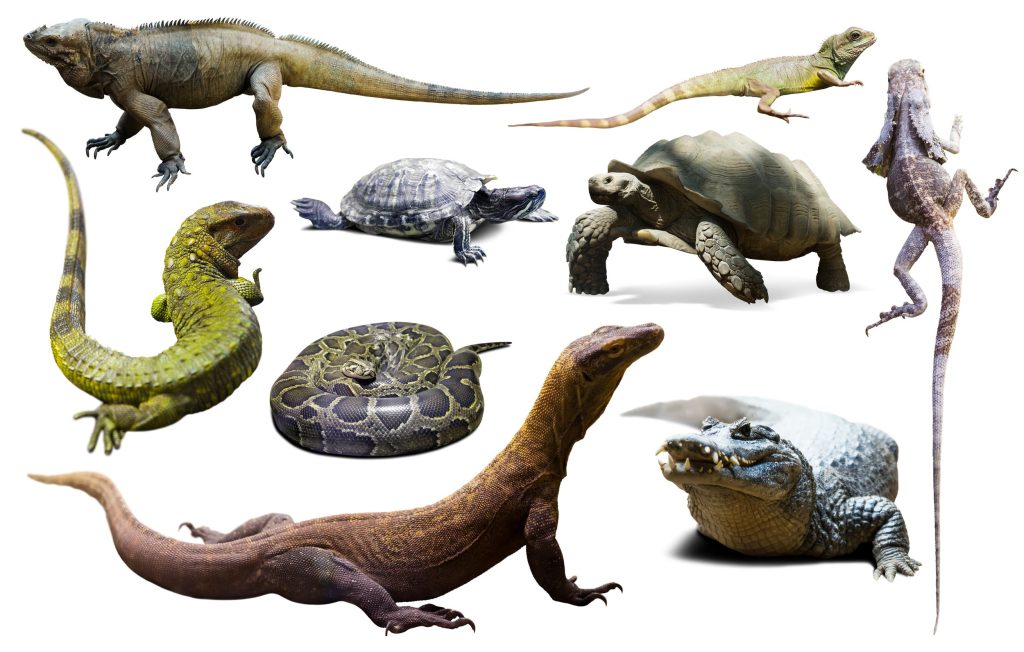
Introduction: Why Reptiles Make Great Pets
Reptiles have become increasingly popular pets in the United States due to their unique charm, low-maintenance care needs, and fascinating behaviors. Whether you’re interested in keeping a reptile as a first-time pet or adding one to your collection, there are plenty of reptile species to choose from.
Reptiles offer a different kind of companionship compared to mammals, and many of them are hardy and low-maintenance, making them an ideal choice for pet owners with busy lifestyles. While each reptile species has specific care needs, understanding their behavior and habitat requirements can lead to a fulfilling and rewarding pet experience.
In this guide, we’ll explore some of the most popular reptiles kept as pets in the U.S. We’ll discuss their care requirements, unique characteristics, and why they might be the perfect companion for your household.
1. Bearded Dragon (Pogona Vitticeps)
Bearded dragons are one of the most popular reptiles in the U.S., and for good reason. Known for their friendly demeanor, ease of care, and interactive behavior, bearded dragons are ideal pets for both beginners and experienced reptile keepers.
- Appearance: Bearded dragons are medium-sized lizards with spiny, “beard-like” throat flaps. They come in a variety of colors, including shades of brown, orange, and yellow.
- Temperament: They are generally docile and enjoy interacting with their human owners. Bearded dragons can be quite social and often enjoy basking under UVB light, climbing, and exploring their environment.
- Care Requirements: Bearded dragons need a spacious enclosure with a basking area and access to UVB light. They are omnivores, meaning they eat a combination of vegetables and insects. A proper diet of leafy greens, fruits, and insects like crickets and mealworms is essential to keep them healthy.
- Why They’re Popular: Bearded dragons are known for their calm nature and are relatively easy to care for, making them a great choice for first-time reptile owners.
2. Leopard Gecko (Eublepharis macularius)
Leopard geckos are small, hardy lizards that have become a favorite among reptile enthusiasts due to their manageable size, docile temperament, and easy care.
- Appearance: Leopard geckos are typically yellowish with black spots, resembling the pattern of a leopard, but they come in a range of color morphs, including albino, white, and more.
- Temperament: These geckos are friendly and easygoing. Unlike many other lizards, they have movable eyelids, which makes them more approachable. They are nocturnal and will usually become active during the evening or night.
- Care Requirements: Leopard geckos are relatively low-maintenance. They require a dry, warm environment with a hiding spot. They are insectivores and thrive on a diet of crickets, mealworms, and other insects.
- Why They’re Popular: Leopard geckos are small, easy to handle, and have relatively simple care needs, making them ideal for beginner reptile keepers.
3. Ball Python (Python regius)
Ball pythons are one of the most popular snake species kept as pets in the U.S. They are known for their docile nature and stunning variety of color morphs. Ball pythons are a great choice for both new and experienced reptile owners.
- Appearance: Ball pythons are medium-sized snakes, typically with brown and yellow patterns, but there are many color morphs available, including albino, lavender, and piebald.
- Temperament: Ball pythons are generally calm and non-aggressive. They are famous for curling into a ball when threatened, which is where they get their name. They tend to be more shy compared to other snake species.
- Care Requirements: Ball pythons require a spacious, secure enclosure with a heating element to maintain an appropriate temperature range. They primarily feed on rodents like mice or rats, which should be offered every 1-2 weeks.
- Why They’re Popular: Ball pythons are gentle, relatively small, and easy to handle, making them great pets for people interested in keeping snakes.
4. Corn Snake (Pantherophis guttatus)
Corn snakes are another popular choice for reptile lovers, especially for first-time snake owners. These non-venomous snakes are known for their vibrant colors, calm disposition, and ease of care.
- Appearance: Corn snakes come in a variety of colors, with bright red, orange, and yellow patterns being the most common. They have distinctive “backward” markings that resemble a “corn” pattern, which is how they got their name.
- Temperament: Corn snakes are known for being docile and relatively easy to handle. They are less likely to be aggressive compared to other snake species, and their calm nature makes them an excellent choice for new reptile owners.
- Care Requirements: Corn snakes require a secure enclosure with proper heating and humidity levels. They are carnivores and primarily eat small rodents like mice and rats. Their diet should be supplemented with appropriate-sized prey.
- Why They’re Popular: Corn snakes are relatively easy to care for, friendly, and come in beautiful color patterns, making them a favorite among beginner reptile owners.
5. Red-Eared Slider Turtle (Trachemys scripta elegans)
Red-eared sliders are among the most common pet turtles in the U.S. Known for their striking red ear markings, these turtles are popular for their hardy nature and long lifespan.
- Appearance: These turtles have a greenish-brown shell with distinctive red patches near their ears. They also have a smooth, streamlined body that aids in swimming.
- Temperament: Red-eared sliders are generally calm but can become more active when in water. They require both land and aquatic environments in their enclosure.
- Care Requirements: Red-eared sliders need a tank with both a land area for basking and a water area for swimming. They are omnivores and eat a diet consisting of plants, insects, and small fish. Regular water changes and proper filtration are essential to keep them healthy.
- Why They’re Popular: Red-eared sliders are popular due to their long lifespan (up to 30 years) and relatively simple care requirements. They also offer a great opportunity for owners to observe their natural behavior, such as swimming and basking.
6. Uromastyx (Uromastyx spp.)
Uromastyx, also known as spiny-tailed lizards, are unique reptiles that have gained popularity due to their striking appearance and calm temperament.
- Appearance: Uromastyx lizards have spiny tails, which they use for defense, and their body is often covered in textured scales that give them a prehistoric look. They come in a range of colors, including yellow, green, and brown.
- Temperament: Uromastyx are generally calm and non-aggressive, though they may become defensive if they feel threatened. They can make excellent pets for experienced reptile keepers.
- Care Requirements: Uromastyx are herbivores and require a dry, warm environment with access to UVB light. Their diet mainly consists of leafy greens, vegetables, and high-fiber plants.
- Why They’re Popular: Uromastyx are long-lived and can make great pets for those interested in a more unique, hardy reptile. They require a spacious enclosure and a diet that reflects their herbivorous nature.
7. Crevice Spiny-Tailed Lizard (Sceloporus poinsettii)
Crevice spiny-tailed lizards are relatively small, unique reptiles that make great pets for those looking for something different. These lizards are known for their beautiful spiny tails and their active, exploratory behavior.
- Appearance: With a light to medium brown body, these lizards often feature dark patterns along their backs and spiny tails that help them defend themselves from predators.
- Temperament: They are known for being active and curious, constantly climbing and exploring their surroundings. Although they are generally docile, they are more suited for experienced reptile keepers due to their need for more complex care.
- Care Requirements: Crevice spiny-tailed lizards need a dry, warm environment with access to UVB lighting. They primarily feed on insects, and a balanced diet with occasional greens will keep them healthy. These lizards enjoy a spacious, enriched habitat with rocks and hides to simulate their natural habitat.
- Why They’re Popular: Their striking appearance and relatively low-maintenance care make them a unique choice for reptile enthusiasts.
8. Chameleon (Various Species)
Chameleons are fascinating reptiles known for their color-changing abilities, making them popular among pet owners who want a striking and interactive companion. The most common species kept as pets include the Veiled Chameleon and the Panther Chameleon.
- Appearance: Chameleons have vibrant colors that can change based on mood, temperature, and environmental factors. Their unique eyes and long prehensile tails also make them visually appealing.
- Temperament: While chameleons can be stunning to watch, they are typically solitary creatures and prefer limited handling. They may become stressed if handled too frequently, so they are best suited for owners who prefer observing rather than interacting directly.
- Care Requirements: Chameleons need a humid environment with a large vertical cage. They require specialized UVB lighting to thrive and a consistent temperature gradient within their enclosure. A diet of crickets, worms, and other insects, supplemented with a variety of fruits and vegetables, ensures proper nutrition.
- Why They’re Popular: Chameleons are famous for their beauty and ability to change color, offering a fascinating pet experience, though they do require more specific care than some other reptiles.
9. Green Iguana (Iguana iguana)
The green iguana is one of the largest and most visually impressive reptiles to keep as pets. Known for their vibrant green coloring and large size, they are a favorite among reptile lovers who can commit to their care.
- Appearance: Green iguanas can grow up to 6 feet long, including their tail. They have large, scaly bodies with a crest along their back and a distinctive dewlap (throat flap) that can be extended.
- Temperament: Green iguanas are typically calm, though they can be territorial and sometimes aggressive, especially when young. With proper handling, they can become more accustomed to humans. However, they require time and patience to bond.
- Care Requirements: Green iguanas need a very large enclosure to accommodate their size and activity levels. They require UVB lighting, access to high humidity, and a diet primarily composed of leafy greens, fruits, and vegetables. They also need space to climb and bask in warm temperatures to support their metabolic functions.
- Why They’re Popular: Their striking appearance and the opportunity to keep a large reptile are appealing to those with enough space and commitment to meet their care needs.
10. Eastern Box Turtle (Terrapene carolina carolina)
Eastern box turtles are a favorite among reptile enthusiasts who prefer a terrestrial turtle species. Unlike aquatic turtles, box turtles thrive in a terrestrial habitat and can live for decades with proper care.
- Appearance: Box turtles are small to medium-sized, with a domed, brightly colored shell. Their brown, yellow, and orange patterns make them particularly attractive.
- Temperament: These turtles are generally calm and enjoy interaction, though they can be more active during the morning and evening. They are less skittish compared to aquatic turtles and enjoy exploring their enclosures.
- Care Requirements: Box turtles require a spacious, well-ventilated enclosure with both land and water areas. They prefer a humid environment, and their diet consists primarily of leafy greens, fruits, insects, and occasionally worms. They also need a basking area with UVB light to regulate their temperature.
- Why They’re Popular: Their relatively manageable size, calm nature, and long lifespan make Eastern box turtles appealing to many turtle lovers.
Conclusion: Choosing the Right Reptile for Your Home
Reptiles can make fascinating and unique pets, each offering something different in terms of appearance, temperament, and care needs. Whether you’re drawn to the social and engaging bearded dragon, the gentle ball python, or the colorful chameleon, there’s a reptile species to suit every lifestyle and experience level.
Before adopting a reptile, it’s important to research their specific care requirements, including their diet, habitat, and health needs. With the right setup and proper care, your reptile can live a long and happy life as a cherished companion.