
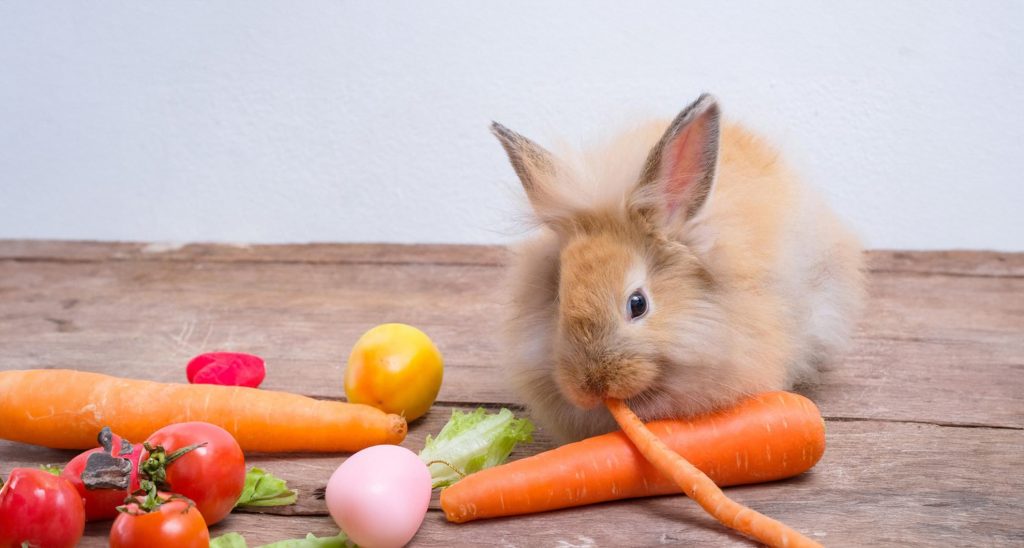
Introduction: Why Treats are Important for Your Pet Rabbit
Treats are a wonderful way to bond with your pet rabbit and reward them for good behavior. But not all treats are created equal—some can contribute to obesity, digestive problems, or even dental issues if fed in excess. The key is to offer healthy, appropriate rabbit treats in moderation to keep them happy, engaged, and healthy.
Rabbits, being herbivores, have a sensitive digestive system, so it’s essential to choose treats that complement their natural diet of hay, fresh vegetables, and pellets. In this guide, we’ll explore the best treat options for your pet rabbit, the types of treats to avoid, and how to incorporate them into your rabbit’s diet for optimal health.
The Role of Treats in Your Rabbit’s Diet
While treats should never replace a rabbit’s staple diet (hay, fresh vegetables, and high-quality pellets), they can be a valuable addition in moderation. Here’s why offering treats can be beneficial:
- Enrichment: Treats provide an opportunity for mental stimulation. Whether you’re offering them in puzzle feeders or using them during training, treats can encourage your rabbit to engage in natural behaviors like foraging and problem-solving.
- Training and Bonding: Treats are an excellent tool for training your rabbit or rewarding good behavior. They can help reinforce positive actions, such as using the litter box or learning tricks.
- Variety: Offering a variety of treats can make mealtime more exciting and enrich your rabbit’s experience. Just be sure that the treats you give are healthy and safe for their digestive system.
Best Rabbit Treats: Healthy Options for Your Pet
Choosing the right treat for your pet rabbit can be overwhelming with so many options available. We’ve curated a list of the best, healthy rabbit treats that will ensure your pet enjoys them while staying in tip-top shape.
1. Fresh Herbs and Greens
Fresh herbs and greens are among the healthiest treat options for rabbits. Not only are they packed with nutrients, but they also help keep your rabbit’s digestive system working properly. When introducing any new food to your rabbit, always do so gradually to avoid upsetting their stomach.
- Parsley: Rich in vitamins A and C, parsley is a great option for rabbits. It also has mild diuretic properties that can be beneficial for your pet.
- Basil: Sweet-smelling and delicious, basil provides antioxidants and anti-inflammatory properties.
- Cilantro: Many rabbits love cilantro, and it’s a great source of fiber and vitamins, making it an excellent treat.
- Mint: Fresh mint leaves are not only aromatic but also provide vitamins and are known to help soothe digestion.
- Dandelion greens: Rich in calcium and other essential nutrients, dandelion greens are a great treat but should be given in moderation due to their high calcium content.
2. Leafy Vegetables
Leafy vegetables are not only a healthy treat but also provide your rabbit with essential fiber, which is vital for their digestive health. Here are a few rabbit-safe leafy vegetables to consider:
- Kale: High in calcium and vitamin A, kale is a great addition to your rabbit’s diet in moderation.
- Spinach: Rich in iron and calcium, spinach can be offered occasionally, but it should not be the main leafy green due to its oxalate content.
- Romaine lettuce: Unlike iceberg lettuce, romaine is packed with nutrients and is a great option for rabbits.
- Mustard greens: These leafy greens are high in fiber and nutrients, and they are a delicious treat for your bunny.
3. Fruit (In Moderation)
Rabbits can enjoy fruit as an occasional treat, but it should be offered sparingly due to the high sugar content. Fruits are best given as a reward or for bonding time, not as a main food source.
- Apple (without seeds): A small slice of apple is a great way to treat your rabbit. Just be sure to remove the seeds, as they contain cyanide, which is toxic to rabbits.
- Banana: High in sugar, bananas should only be given in small amounts. A small slice once in a while is a good option.
- Blueberries: Packed with antioxidants, blueberries are a tasty and healthy fruit for your rabbit.
- Strawberries: Rich in vitamin C, strawberries can be a sweet treat for your rabbit when given in moderation.
- Pineapple: Pineapple can help with digestive health, but it should be offered in moderation due to its sweetness.
4. Hay-Based Treats
Hay is the staple food in a rabbit’s diet, and hay-based treats can provide a healthy, fiber-packed alternative to sugary treats. Look for treats that are made primarily of timothy hay, which is rich in fiber and helps promote healthy digestion.
- Timothy hay cubes: These compressed cubes of hay are easy for rabbits to chew and digest. They provide fiber and also help wear down your rabbit’s teeth.
- Hay cookies: These treats are made with compressed hay and sometimes herbs or flowers. They are a great alternative to sugary snacks.
- Hay-filled toys: Toys filled with hay encourage foraging, a natural rabbit behavior that provides both enrichment and exercise.
5. Wooden Chew Toys
Chewing is a natural behavior for rabbits, and providing them with wooden chew toys can help keep their teeth healthy while satisfying their urge to chew. Look for non-toxic, untreated wood options such as:
- Willow branches: Safe for rabbits to chew on and provides mental stimulation. These are also available in small chews or tunnels for your rabbit to explore.
- Applewood sticks: These are a natural, safe alternative for your rabbit to gnaw on and help maintain dental health.
- Bamboo sticks: Bamboo is another safe and enjoyable option for your rabbit to chew on. It helps prevent overgrown teeth and is an excellent source of fiber.
Treats to Avoid for Rabbits
While treats can be a great addition to your rabbit’s diet, there are several types of treats you should avoid to ensure your pet remains healthy:
- Sugary or processed treats: Avoid any commercially available treats that are high in sugar, honey, or artificial sweeteners. These can lead to obesity, digestive issues, and even dental problems.
- Chocolate: Chocolate is toxic to rabbits and should be kept far out of reach.
- Seeds and nuts: While seeds and nuts are often found in commercial rabbit treats, they are high in fat and should only be offered sparingly, if at all.
- Lettuce (iceberg): Iceberg lettuce has little nutritional value and can cause diarrhea in rabbits.
How to Safely Introduce New Treats to Your Rabbit
When introducing new treats to your rabbit, it’s essential to do so gradually to avoid upsetting their sensitive digestive system. Here are some tips:
- Start with small amounts: Introduce one new treat at a time in small portions. Monitor your rabbit’s response over a 24-48 hour period to ensure they are not having any adverse reactions.
- Observe their health: If you notice any signs of digestive distress, such as diarrhea, stop giving the new treat and consult your vet if necessary.
- Diversify treats: Keep the variety in your rabbit’s treats by rotating between different healthy options like greens, fruits, and hay-based treats.
Conclusion: Keep Your Rabbit Healthy and Happy with the Right Treats
Treats are a great way to bond with your rabbit and provide them with the enrichment they need. However, it’s important to choose treats that complement their natural diet, ensuring that they remain healthy and happy. Always focus on fresh herbs, leafy vegetables, fruits in moderation, and safe hay-based treats while avoiding sugary or unhealthy snacks.
By offering a variety of healthy treats and incorporating them into a balanced diet, you’ll help your rabbit stay active, engaged, and mentally stimulated, all while strengthening the bond you share.