
Introduction: Why Proper Turtle Nutrition is Essential
Turtles are fascinating and diverse reptiles, and providing them with the right diet is essential for their health, growth, and overall well-being. Whether you have a terrestrial turtle, aquatic turtle, or semi-aquatic turtle, their dietary needs will vary depending on their species, age, and habitat. Feeding your turtle the right foods will ensure they stay healthy, vibrant, and active, while also preventing common health problems like obesity, shell rot, and digestive issues.
In this guide, we’ll cover the best foods for your pet turtle, how to create a balanced diet, and some common mistakes to avoid when feeding your turtle.
Understanding Your Turtle’s Dietary Needs
Turtles are omnivores, herbivores, or carnivores, depending on their species, and their diet needs can vary significantly. Knowing what kind of turtle you have will help you understand what they should eat.
1. Omnivorous Turtles (e.g., Red-Eared Sliders, Yellow-Bellied Sliders)
Most pet turtles are omnivores, meaning they eat a variety of plant and animal matter. These turtles thrive on a balanced diet of vegetables, fruits, and protein sources like insects, worms, and small fish.
2. Herbivorous Turtles (e.g., Sulcata Tortoises, Leopard Tortoises)
Herbivorous turtles prefer a plant-based diet and rely on a variety of grasses, leaves, and vegetables. While they may eat some fruits, it’s important to limit high-sugar foods for these species.
3. Carnivorous Turtles (e.g., Alligator Snapping Turtle)
Carnivorous turtles primarily eat meat, such as fish, insects, and amphibians. These turtles have sharp, powerful jaws suited for catching and consuming prey.
The Essential Foods for Pet Turtles
The right diet will depend on the species of turtle you have, but here’s an overview of the best foods you can offer:
1. Leafy Greens and Vegetables
Vegetables and leafy greens should be a staple in most turtle diets, especially for omnivorous and herbivorous species.
- Romaine Lettuce: A nutritious, fiber-rich green that is perfect for feeding your turtle. It’s low in calcium and safe for most turtles to eat regularly.
- Dandelion Greens: Dandelion greens are high in calcium and essential vitamins, making them an excellent choice for turtles. Ensure they are pesticide-free.
- Collard Greens: Rich in fiber and calcium, collard greens are great for providing essential nutrients.
- Kale: A popular green packed with vitamins, kale should be given in moderation due to its oxalate content.
- Carrot Tops: These leafy greens are rich in nutrients and are a tasty treat for your turtle.
For herbivorous species like the Sulcata Tortoise, leafy greens should make up most of their diet.
2. Fruits (In Moderation)
Fruits can provide a sweet treat and essential vitamins, but they should be given sparingly because they are high in sugar, which can lead to obesity if overfed.
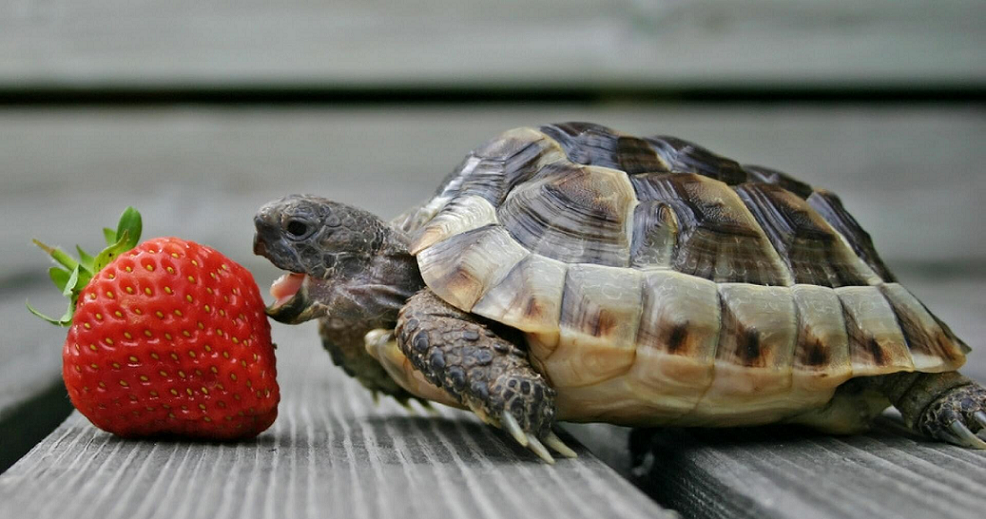
- Strawberries: High in vitamin C and antioxidants, strawberries can be offered occasionally.
- Apples: Remove seeds before feeding apples, as they can be toxic to turtles. Apples are high in fiber and nutrients.
- Bananas: Bananas are a good source of potassium, but due to their high sugar content, they should be fed in small amounts.
- Mango: Rich in vitamins A and C, mangoes are a tropical treat your turtle will love.
- Melon: Watermelon and cantaloupe are hydrating fruits that your turtle can enjoy during warmer months.
3. Animal Protein
For omnivorous and carnivorous turtles, protein from insects, fish, and other small animals is a vital part of their diet. It’s important to feed them a variety of animal-based protein sources to ensure they receive a balanced intake of amino acids and nutrients.
- Crickets: Crickets are a great source of protein and are easy to find at pet stores or as live food. They should be gut-loaded with nutritious food before feeding to your turtle.
- Mealworms: Mealworms are another popular protein option. While they are high in fat, they can be fed in moderation.
- Earthworms: A natural food source for many turtles, earthworms provide protein and are often found in the wild.
- Small Fish: Fish like guppies, minnows, or feeder fish can be fed to carnivorous turtles. Ensure that the fish are free of parasites.
- Shrimp: Shrimp is another excellent source of protein for aquatic turtles, and it can be offered cooked or raw.
4. Turtle Pellets
Commercial turtle pellets can be a convenient source of nutrition for turtles, especially for omnivores. They are formulated to provide a balanced diet with protein, vitamins, and minerals.
- High-Quality Pellets: Choose pellets made specifically for your turtle’s species. Make sure the pellets are fortified with essential vitamins and calcium.
- Feeding Guidelines: Pellets should only be used as a supplement to a varied diet. Pellets should make up no more than 25-30% of your turtle’s total diet.
5. Calcium-Rich Foods and Supplements
Turtles, especially those in captivity, need a steady source of calcium to maintain healthy shells and bones. Many leafy greens and some fruits contain calcium, but calcium supplementation is often necessary.
- Calcium-Containing Vegetables: Vegetables like dandelion greens and collard greens are high in calcium.
- Cuttlebone: Cuttlebones are a great source of calcium for turtles. They can be provided in the tank or cage, and turtles will naturally gnaw on them to get the calcium they need.
- Calcium Supplements: You can also sprinkle calcium powder on your turtle’s food. Be sure to choose a supplement without added phosphorus to prevent imbalance.
How to Feed Your Turtle: Best Practices for a Balanced Diet
To ensure your turtle stays healthy and thrives, follow these feeding tips:
1. Vary Their Diet
Providing a variety of foods is key to ensuring that your turtle receives all the nutrients they need. Alternate between leafy greens, fruits, protein sources, and turtle pellets to keep things interesting for your pet.
2. Feed Small, Regular Meals
Turtles should be fed small meals two to three times a week, depending on their age and species. Young turtles may need daily feedings, while adult turtles typically require fewer meals.
3. Offer Fresh, Pesticide-Free Food
Always wash vegetables and fruits before offering them to your turtle, and ensure that the food is free of pesticides and chemicals. Organic produce is ideal for feeding your pet.
4. Provide Clean, Fresh Water
Turtles need fresh water at all times. Change the water regularly to prevent bacteria buildup. For aquatic species, make sure they have access to a shallow water area for swimming and soaking.
5. Monitor Their Health
Keep an eye on your turtle’s weight, behavior, and shell health. If you notice any signs of illness, such as a lack of appetite, lethargy, or shell discoloration, consult a veterinarian.
Common Feeding Mistakes to Avoid
While feeding your turtle might seem simple, there are some common mistakes that can negatively impact their health:
- Overfeeding: Turtles can become obese if fed too much food, especially high-fat items like mealworms or fatty fish. Stick to the recommended portion sizes.
- Feeding Inappropriate Foods: Avoid feeding your turtle foods that are high in sugar, fat, or dairy, such as processed foods, chocolate, or bread.
- Lack of Calcium: Without proper calcium, turtles can develop metabolic bone disease, leading to soft shells and bone fractures. Ensure they receive enough calcium-rich food or supplements.
Conclusion: Feeding Your Turtle for a Long, Healthy Life
Providing your turtle with a balanced diet is essential to their long-term health and happiness. By offering a variety of fresh vegetables, fruits, proteins, and quality pellets, you can ensure that your turtle gets the nutrients they need to thrive. Regular care, along with proper feeding practices, will help your pet live a long, healthy life.
Whether you have a red-eared slider, a leopard tortoise, or a painted turtle, understanding their dietary needs and offering them the right foods will make a world of difference in their well-being.