
Introduction: Why Ferrets Make Great Pets
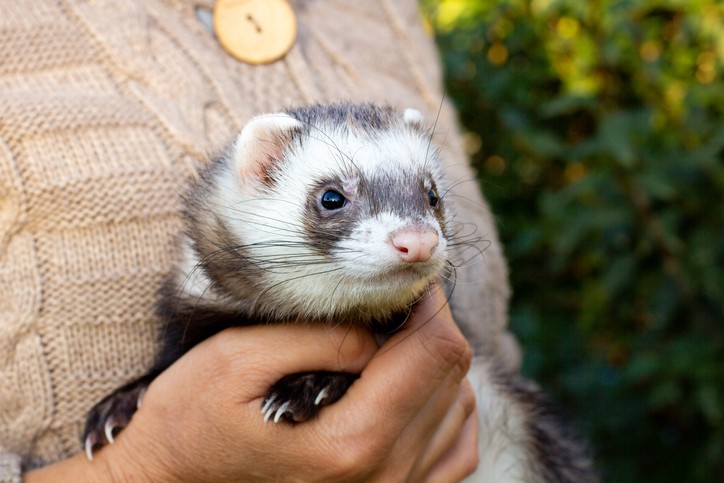
Ferrets are lively, curious, and playful creatures, making them an exciting choice for pet owners who want a companion with a bit of personality. Despite their small size, ferrets have big personalities and a love for exploration. They are social animals that enjoy interacting with their owners, playing with toys, and even engaging in mischievous antics.
However, owning a ferret comes with unique challenges that are important to understand before bringing one into your home. Their high energy, specific dietary needs, and the requirement for plenty of space to roam make them a commitment. But, if you’re ready for the challenge, ferrets can be highly rewarding pets with a lot of character.
In this guide, we’ll cover everything you need to know about caring for a ferret, including diet, housing, health care, and behavior.
1. Understanding Ferret Behavior
Ferrets are intelligent and social animals, but they do have some unique behaviors that you should be aware of as a pet owner. Here’s a breakdown of common ferret behaviors:
Curiosity and Exploration
Ferrets are naturally curious and will explore every nook and cranny they can find. They love to burrow, dig, and hide in small spaces, so it’s essential to ensure that your home is safe and ferret-proofed. They are likely to get into trouble if given the chance, but their playful nature is part of what makes them so fun to watch.
Napping and Sleep Cycles
Ferrets are crepuscular, meaning they are most active during dawn and dusk, but they also need plenty of sleep. They typically sleep 14 to 18 hours a day, so it’s essential to have a comfortable, quiet space for them to rest. Ferrets tend to sleep in cozy places, like hammocks or bedding in their cage, and they prefer dark and quiet environments when sleeping.
Playfulness
Ferrets are known for their love of play. They enjoy interactive toys, such as tunnels, balls, and even simple household items. Many ferret owners engage in play sessions with their pets to keep them mentally stimulated and physically active. It’s important to provide them with a variety of toys to keep them from getting bored.
Social Interaction
Ferrets are social animals that enjoy interacting with humans and other ferrets. It’s recommended to have at least two ferrets if you can, as they thrive on companionship. They form bonds with their owners and enjoy spending time with people, which makes them highly affectionate and playful companions.
2. Feeding Your Ferret: The Right Diet for a Healthy Pet
Ferrets are obligate carnivores, meaning they require a diet rich in animal protein. Unlike dogs or cats, ferrets have short digestive tracts and need easily digestible, high-protein foods to stay healthy.
High-Quality Ferret Food
The foundation of a ferret’s diet should be high-quality ferret food that is specifically formulated to meet their nutritional needs. Look for a food that is high in protein (at least 30-40%) and fat (15-20%) and low in carbohydrates and fiber.
Raw or Cooked Meat
Ferrets can benefit from raw or cooked meats as part of their diet, such as chicken, turkey, and lamb. Avoid feeding them raw bones or fish, as these can be dangerous for them.
Treats and Supplements
Ferret-safe treats can be used for training and bonding, but they should be given in moderation. Avoid sugary or starchy treats that can upset their digestion. Additionally, consider offering ferret-safe supplements if advised by your vet, especially if your pet has any health concerns.
Fresh Water
Always provide your ferret with access to fresh, clean water. Ferrets drink a lot of water, and hydration is essential for maintaining their health and energy levels.
3. Housing: Creating the Perfect Space for Your Ferret
Ferrets are highly active and need plenty of space to roam, play, and sleep. A comfortable and secure enclosure will ensure they have a safe, enriching environment.
Ferret Cage Setup
Your ferret’s cage should be large enough to allow for movement, play, and rest. Look for a cage that has multiple levels, ramps, and plenty of space to explore. Ferrets are great climbers, so a multi-level cage will give them ample room to move around.
- Bedding: Provide soft, absorbent bedding, such as fleece or shredded paper. Avoid using wood shavings like cedar or pine, as these can cause respiratory issues.
- Litter Box: Ferrets can be litter-trained. Place a litter box in the corner of the cage, and use ferret-safe litter that absorbs moisture and is easy to clean.
- Toys and Play Areas: Offer tunnels, balls, and chew toys. Ferrets love hiding, digging, and climbing, so providing these toys will help keep them mentally and physically active.
Ferret-Proofing Your Home
If you allow your ferret to roam outside their cage, you’ll need to ferret-proof your home. Make sure to:
- Block off dangerous areas, such as behind furniture or inside cabinets.
- Remove small objects they can swallow or choke on.
- Ensure that electrical cords and wires are out of reach.
4. Health and Veterinary Care for Ferrets
Like any pet, ferrets require regular veterinary care to stay healthy. Regular check-ups are essential to prevent and catch potential health issues early.
Vaccinations
Ferrets need to be vaccinated for rabies and distemper, as these diseases can be fatal. Ensure your ferret receives the proper vaccinations, especially if they will be exposed to other animals.
Spaying and Neutering
It’s important to spay or neuter your ferret if you plan to keep them as a pet. Unspayed female ferrets can develop health issues such as anemia or reproductive cancers, while males can become territorial and aggressive. Spaying and neutering also prevent unwanted litters.
Common Health Issues
Ferrets can be prone to certain health problems, including:
- Adrenal disease: A common condition that can cause hair loss, lethargy, and behavioral changes.
- Dental disease: Ferrets’ teeth require regular cleaning to prevent plaque buildup and tooth decay.
- Gastrointestinal issues: Ferrets can have sensitive digestive systems, so it’s important to provide them with the right food and monitor for signs of illness.
Grooming and Bathing
Ferrets have a natural musky odor, but regular grooming and cleaning can help minimize this. Ferrets don’t need frequent baths—usually only once every few months—since they groom themselves. Regular brushing will help keep their fur clean and remove any loose hair.
5. Training Your Ferret: How to Teach Basic Commands
Ferrets are intelligent animals and can learn various tricks and behaviors with proper training. They respond well to positive reinforcement and treats.
Litter Training
Litter training your ferret is often one of the first things you’ll want to teach. Place a litter box in the corner of the cage or their play area, and be patient as they learn where to go. Most ferrets will quickly catch on to the idea.
Tricks and Commands
Ferrets can also learn simple tricks, such as “come,” “sit,” or even running through a tunnel. Use treats to reward them when they follow a command, and keep training sessions short and fun to avoid overwhelming them.
Conclusion: Is a Ferret the Right Pet for You?
Ferrets make fantastic pets for those who have the time, space, and energy to meet their needs. Their playful and inquisitive nature makes them a joy to have around, but they do require care, attention, and regular interaction to thrive. If you’re ready for a highly social, active, and engaging pet, a ferret could be the perfect addition to your family.
Before adopting a ferret, make sure you are prepared to meet their care requirements, including their diet, housing, socialization, and healthcare needs. With proper care and attention, a ferret can be a loving and entertaining companion for many years.