
Introduction: Understanding Fish Parasites and How They Affect Your Aquarium
Parasites are one of the most common health issues that aquarium fish face. They can range from external parasites like ich to internal parasites that affect your fish’s digestive system. Parasites can cause a range of symptoms, including abnormal swimming patterns, lethargy, fin damage, and visible lesions. If left untreated, they can lead to severe health problems or even death for your fish.
While there are many commercial treatments available, you can often make your own parasite medicine at home using natural ingredients or commonly found aquarium products. However, it’s essential to diagnose the problem accurately before applying any treatment. In this guide, we’ll walk you through how to identify fish parasites, how to make homemade treatments, and essential precautions to ensure your fish’s safety.
1. Diagnose First: Identifying the Symptoms of Fish Parasites
Before you attempt any DIY treatment, it’s crucial to diagnose the problem correctly. Parasites manifest in various ways, so you need to observe your fish carefully and watch for common signs of infection.
Common Signs of Parasite Infections in Fish:
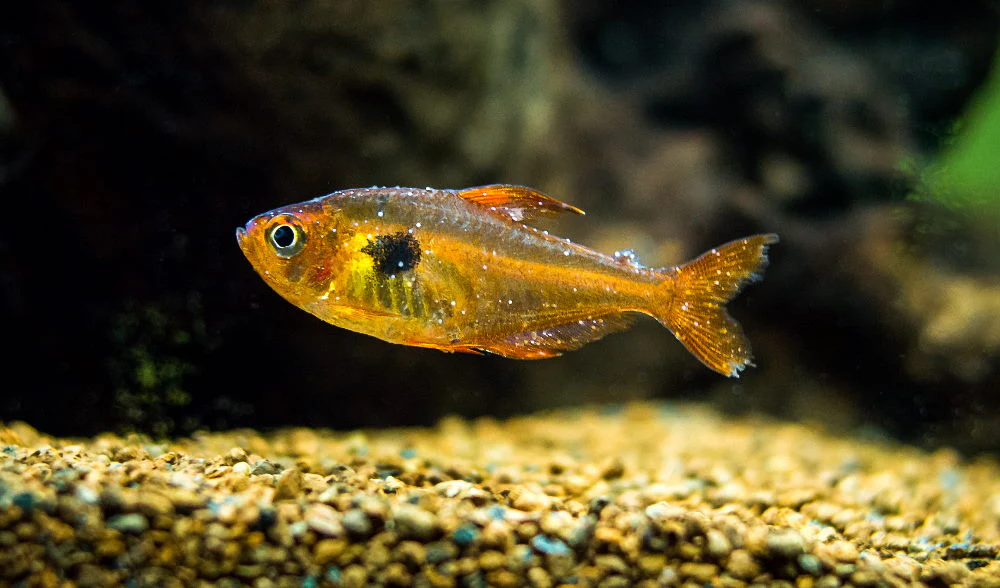
- White spots on the skin or fins (Ich): One of the most common signs of a parasite infection, often seen as tiny white cysts.
- Rapid breathing or gasping: Parasites, especially gill parasites, can interfere with breathing, causing fish to gasp at the surface.
- Lethargy and lack of appetite: Infected fish may seem sluggish and may refuse to eat.
- Fins clamped close to the body: This is a sign of stress, commonly seen in fish infected with parasites.
- Visible lesions or sores: External parasites like costia or flukes can cause visible damage to the skin or fins.
- Abnormal swimming behavior: Fish may rub against objects, swim erratically, or have difficulty swimming due to internal parasites.
Make sure to identify the type of parasite affecting your fish by closely examining their behavior and physical symptoms. If you are unsure, consult an aquarium specialist or a vet who can help you identify the parasite accurately.
2. DIY Parasite Medicine: Homemade Treatments for Fish
Once you’ve diagnosed the parasite, you can try creating a simple homemade medicine. There are a few safe and natural methods to treat external and internal parasites in your fish.
2.1. Salt Bath for External Parasites
One of the most effective and safest methods for treating external parasites like Ichthyophthirius (Ich) is using aquarium salt. Salt helps kill many types of external parasites by drying out the parasite and reducing the osmotic stress of the fish.
Ingredients:
- Aquarium salt (make sure it’s specifically designed for aquarium use—no iodized salt)
- Water from your aquarium (room temperature)
Instructions:
- Dissolve aquarium salt in a separate container of aquarium water. The general guideline is 1 tablespoon of salt per 5 gallons of water.
- Gently place the infected fish in the salt bath for about 10-15 minutes, making sure the fish remains submerged but does not become too stressed.
- After the bath, transfer the fish back to the aquarium, ensuring that the water temperature is consistent with their natural environment.
Note: Keep an eye on your fish after the bath to monitor for signs of stress or discomfort. Do not use salt on scaleless fish like catfish or loaches, as they can be more sensitive to salt.
2.2. Garlic as a Natural Remedy for Internal Parasites
Garlic has natural anti-parasitic properties and can help treat internal parasites like tapeworms or roundworms. It’s also great for boosting your fish’s immune system.
Ingredients:
- Fresh garlic cloves
- Water
- Fish food (flakes or pellets)
Instructions:
- Crush a few garlic cloves and soak them in water for about 30 minutes to release the natural juices.
- Add a small amount of the garlic-infused water to your fish’s tank, or mix it into their food.
- Feed the garlic-infused food to your fish every 2-3 days for a week. Garlic is safe for most fish, but if you’re concerned, you can start with a smaller dose.
Note: Garlic is not a cure-all but can help support your fish’s immune system. It may be more effective in conjunction with other treatments, especially for persistent or severe infections.
2.3. Potassium Permanganate for External Parasites
Potassium permanganate is a powerful disinfectant that can be used to treat external parasites and fungal infections. It should be used cautiously and in very diluted amounts.
Ingredients:
- Potassium permanganate powder (available at pet stores or online)
- Water
Instructions:
- Dissolve a small pinch of potassium permanganate (around 0.5g per 5 gallons of water) in a container of aquarium water.
- Add the solution to your fish tank, ensuring that the concentration is diluted enough to not harm your fish.
- Leave the solution in the tank for about 30 minutes, then perform a partial water change (25-50%) to remove any remaining solution.
Note: Potassium permanganate should only be used as a treatment for external parasites. Make sure to carefully monitor your fish for signs of stress, and avoid using this treatment if your fish have open wounds or are very small and delicate.
2.4. Natural Herbal Treatments: Neem and Tea Tree Oil
Herbal remedies like neem oil and tea tree oil have antimicrobial properties and can be used to treat external parasites. However, they should be used with extreme caution, as they can be toxic in high doses.
Ingredients:
- Neem oil or tea tree oil
- Water (make sure it’s from the aquarium)
Instructions:
- Dilute a few drops of neem oil or tea tree oil in a gallon of water (make sure it is very diluted—too much can harm the fish).
- Pour the solution into the aquarium carefully, ensuring even distribution.
- Watch your fish for any adverse reactions, and discontinue use immediately if you notice signs of distress.
Note: Always start with a very dilute solution and monitor your fish closely. These oils are powerful and should only be used in extreme cases.
3. Precautions When Using Homemade Fish Medicines
While DIY parasite treatments can be effective, they must be used with caution. Here are a few important precautions to keep in mind:
- Always diagnose first: Before attempting any treatment, ensure you’ve correctly identified the parasite. Improper treatment can cause stress or worsen the condition.
- Start with low doses: When using homemade treatments, always start with a lower dose and gradually increase as necessary. Monitor your fish closely for any adverse reactions.
- Avoid using harsh chemicals: Many chemicals that are sold for fish treatments can be harmful in high concentrations. Always use natural remedies when possible, and avoid products that are not specifically designed for aquarium use.
- Consider quarantining infected fish: If you have a large tank, it’s a good idea to isolate infected fish in a separate quarantine tank while you treat them. This prevents the parasite from spreading to other fish.
- Consult a veterinarian: If your fish’s symptoms persist or worsen, seek professional help from a veterinarian who specializes in fish. They can help you identify the problem and suggest the most effective treatment.
4. Prevention: Keeping Your Fish Healthy
Once you’ve successfully treated your fish for parasites, it’s important to focus on prevention to avoid future outbreaks. Here are some tips to help you maintain a healthy aquarium environment:
- Regular water changes: Perform regular water changes (10-20% weekly) to keep your aquarium clean and reduce the build-up of harmful bacteria and parasites.
- Quarantine new fish: Always quarantine new fish for at least two weeks before introducing them to your main tank. This helps prevent the introduction of parasites or diseases.
- Maintain water quality: Regularly monitor water parameters like pH, ammonia, nitrate, and nitrite levels. Consistent water quality supports your fish’s immune system and reduces stress.
- Proper feeding: Feed your fish a balanced diet to ensure they are healthy and better equipped to resist diseases and parasites.
Conclusion: Treating and Preventing Fish Parasites
Fish parasites are a common issue in aquariums, but with the right treatment, you can keep your fish healthy and parasite-free. Whether you opt for natural remedies like garlic or salt baths, or you use more specialized treatments like potassium permanganate, always ensure that you’re taking the right precautions to keep your fish safe.
By keeping your aquarium clean, regularly monitoring water quality, and offering a balanced diet, you can reduce the risk of parasite outbreaks and maintain a healthy, thriving aquarium. If you ever feel unsure about the condition of your fish, don’t hesitate to consult a veterinarian or aquatic specialist for guidance.