
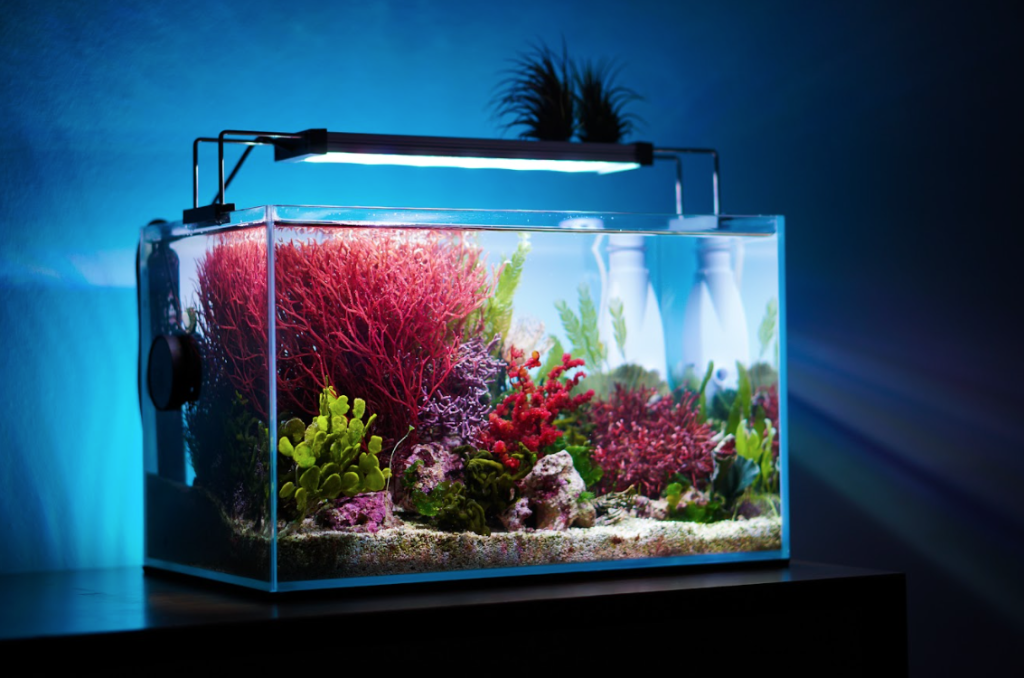
Introduction: Why Plants Are Essential for Saltwater Aquariums
Plants play an integral role in creating a healthy and balanced saltwater aquarium ecosystem. Not only do they enhance the beauty of your underwater environment, but they also provide many functional benefits. Aquatic plants absorb nutrients, help reduce algae growth, and provide hiding spots for fish and invertebrates. Additionally, plants help maintain a healthy oxygen level in the tank and support overall water quality.
In this guide, we’ll cover the best plants for saltwater aquariums, their care requirements, and how to integrate them into your setup to create a thriving marine habitat.
Why Choose Live Plants for Your Saltwater Aquarium?
Adding live plants to your saltwater aquarium can significantly improve the aesthetic and biological health of your tank. Here are some of the key benefits of including plants in your saltwater setup:
- Improved Water Quality: Live plants absorb excess nutrients like nitrates and phosphates, helping to reduce algae growth and keep the water clean.
- Oxygenation: Plants naturally release oxygen into the water during photosynthesis, which is beneficial for both fish and other aquatic life.
- Natural Filtration: Plants help filter the water, removing harmful substances and improving overall tank health.
- Habitat and Shelter: Plants provide natural hiding spots for small fish, invertebrates, and shrimp, helping to mimic the fish’s natural habitat.
- Aesthetic Appeal: Aquatic plants add color, movement, and texture, making your aquarium look more vibrant and dynamic.
Best Plants for Saltwater Aquariums
While freshwater plants are commonly used, certain plant species are well-suited for saltwater environments. These plants thrive in the unique conditions of marine tanks, providing beauty and functionality. Here’s a list of the best plants for your saltwater aquarium:
1. Chaetomorpha (Chaetomorpha algae)
Chaetomorpha, also known as “chaeto,” is one of the most popular and easy-to-care-for algae plants in saltwater aquariums. It’s often used in refugiums to help with nutrient export and filtration.
- Appearance: Chaetomorpha has long, thread-like strands that can grow in a chaotic, tangle-free mass.
- Care Requirements: This algae prefers a moderate light level and should be placed in an area with good water flow. It doesn’t need to be planted in the substrate—simply allow it to float or use a mesh bag to keep it in place.
- Benefits: Chaetomorpha is an excellent nutrient absorber, especially when it comes to nitrates and phosphates, helping to keep your aquarium free from excess nutrients that contribute to algae growth.
2. Halimeda (Halimeda algae)
Halimeda is a type of calcareous algae that can add a beautiful texture to your saltwater tank. Unlike regular algae, it is less likely to become a nuisance in your aquarium, as it grows slower and is more controlled in its growth.
- Appearance: Halimeda has a unique, “leaf-like” structure that is a light green to pale yellow in color.
- Care Requirements: Halimeda thrives in moderate to high light conditions and should be placed in a well-established, stable aquarium. It prefers moderate water flow and requires calcium in the water to grow well.
- Benefits: As a calcareous algae, Halimeda helps to stabilize pH levels in the tank by removing excess calcium from the water, which can help prevent unwanted fluctuations.
3. Red Gracilaria (Gracilaria tikvahiae)
Red Gracilaria is another type of macroalgae that is popular in saltwater aquariums. Known for its red color, it not only adds beauty to the tank but also serves as a food source for herbivores and some types of fish.
- Appearance: Red Gracilaria has fine, feathery branches that grow in a bushy manner, making it an excellent addition to the aquarium’s visual appeal.
- Care Requirements: Red Gracilaria does well with moderate to high lighting, and it thrives in areas with moderate to strong water flow. It is typically placed in the substrate or allowed to float.
- Benefits: This plant is great for absorbing nutrients like nitrates and phosphates, making it ideal for nutrient control. It’s also a great addition to aquariums with fish that graze on algae, such as tangs and rabbitfish.
4. Seagrasses (e.g., Turtle Grass or Eelgrass)
Seagrasses are marine plants that grow in sandy or muddy substrates and are often found in natural coastal habitats. They are ideal for larger aquariums or those designed to replicate a more natural, reef-like environment.
- Appearance: Seagrasses have long, ribbon-like leaves that sway beautifully in the water, offering a lush, natural look.
- Care Requirements: Seagrasses require stable conditions and need to be planted in a sandy substrate with good water flow. They also require moderate to high lighting and can be quite sensitive to water quality.
- Benefits: Seagrasses help improve water quality by absorbing excess nutrients and providing oxygen. They also provide shelter for fish and invertebrates, making them an important part of the ecosystem.
5. Sword Plants (Echinodorus spp.)
While sword plants are typically used in freshwater aquariums, some species, like the Echinodorus argentinensis, can thrive in saltwater tanks, especially in brackish setups. These plants are easy to grow and add a lot of greenery to your tank.
- Appearance: Sword plants have broad, elongated leaves that can vary in color from green to reddish tones. They grow in a rosette pattern and can reach impressive sizes.
- Care Requirements: Sword plants require moderate light and nutrient-rich substrate to thrive. They are also sensitive to poor water quality, so regular maintenance is necessary.
- Benefits: Sword plants help absorb excess nutrients, reduce algae growth, and provide shelter for smaller fish and invertebrates.
Tips for Growing Plants in Your Saltwater Aquarium
To ensure your aquatic plants thrive in a saltwater environment, it’s important to create the right conditions. Here are some tips to keep in mind:
1. Proper Lighting
Lighting is one of the most crucial factors in supporting plant growth in your saltwater tank. Plants need light for photosynthesis, and the type of light you choose will depend on the plants you have.
- High-Quality LED or T5 Lighting: These lighting options provide the intensity needed for plants to grow. Make sure to choose lighting specifically designed for saltwater aquariums.
- Lighting Duration: Aim for 10-12 hours of light per day to mimic a natural day-night cycle, avoiding algae growth that can be encouraged by excessive lighting.
2. Maintain Water Quality
Plants require stable water parameters, including appropriate levels of salinity, temperature, nitrate, phosphate, and calcium.
- pH Level: Aim for a pH range between 7.8 and 8.4 for most saltwater plants.
- Calcium and Magnesium: Many saltwater plants, especially corals and calcareous algae, require higher levels of calcium and magnesium. Monitor these parameters regularly.
- Filtration: Ensure you have an efficient filtration system that removes excess nutrients and maintains water quality.
3. Nutrient Control
Excessive nutrients like nitrates and phosphates can fuel unwanted algae growth in your aquarium. Using a combination of live plants, macroalgae, and proper filtration can help keep these levels in check.
- Avoid Overfeeding: Overfeeding your fish can lead to nutrient imbalances, which may encourage algae and poor plant growth. Feed your fish in small amounts that they can consume within a few minutes.
4. Regular Maintenance
Just like other parts of your aquarium, your plants require regular care to thrive.
- Prune Plants: Regular pruning helps keep plants from becoming overgrown and prevents them from blocking light for other plants.
- Clean the Substrate: Vacuuming the substrate periodically can remove organic debris that may otherwise contribute to nutrient imbalances.
Conclusion: Creating a Thriving Saltwater Plant Aquarium
Adding live plants to your saltwater aquarium can significantly improve the overall health of the tank and contribute to a more aesthetically pleasing environment. From algae like Chaetomorpha and Halimeda to beautiful seagrasses and sword plants, there are many plant species that can thrive in saltwater environments with proper care.
Remember to provide the right lighting, nutrients, and water conditions to ensure your plants flourish. By choosing the right plants and incorporating them into your setup, you can create a thriving, beautiful, and balanced saltwater ecosystem for your fish and invertebrates to enjoy.