
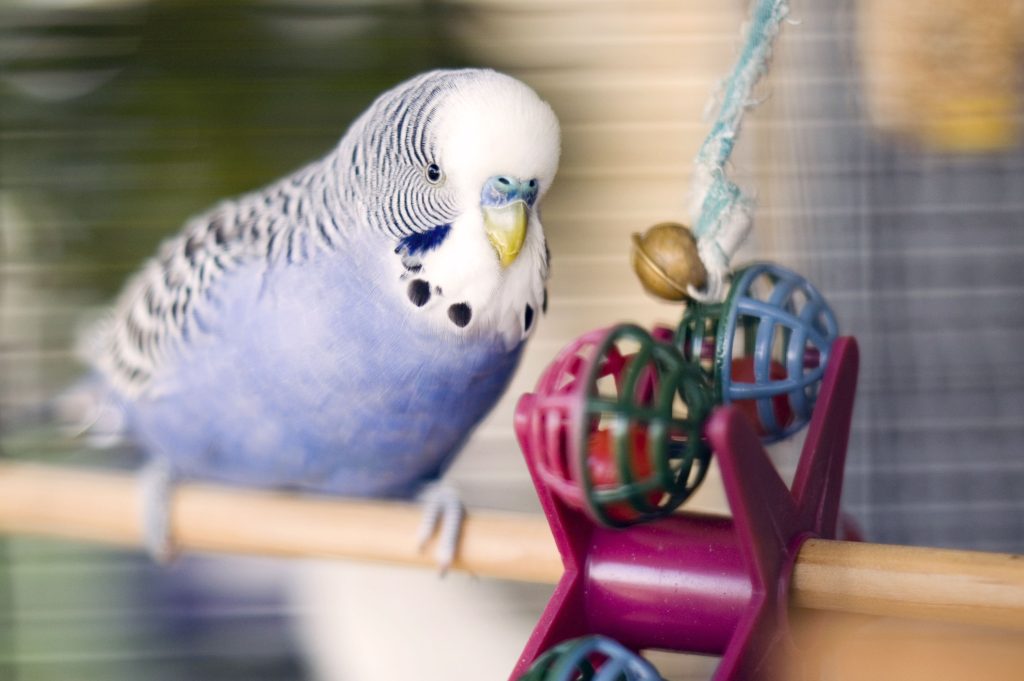
Introduction: The Importance of Playtime for Your Pet Bird
As pet owners, we often think of playtime as a bonding experience for dogs and cats, but it’s equally essential for pet birds. Birds are intelligent, social creatures that thrive on interaction, stimulation, and engagement. Regular play not only provides mental and physical exercise but also strengthens your bond with your feathered companion.
In this guide, we’ll explore a variety of games and activities you can play with your pet bird to keep them mentally sharp, physically fit, and emotionally happy. Whether you have a playful parrot, a curious budgie, or a friendly canary, there’s a game that can enrich your bird’s life and enhance your relationship.
Why Playtime Matters for Your Pet Bird
Birds are highly social animals and, in the wild, they engage in a wide range of activities, including foraging, flying, and playing with other birds. Without enough stimulation, pet birds can become bored, anxious, or even depressed, leading to undesirable behaviors like excessive screeching, feather plucking, or even self-harming.
Here are some of the benefits of playing games with your pet bird:
- Mental Stimulation: Birds are highly intelligent and need activities that challenge them. Games can prevent boredom and help sharpen their cognitive abilities.
- Physical Exercise: Many games encourage movement, climbing, or flying, providing your bird with the physical exercise they need to stay healthy.
- Strengthening Your Bond: Playtime is an excellent opportunity for you to connect with your bird, build trust, and encourage positive behaviors.
- Stress Reduction: Interactive play can help alleviate anxiety, fear, and stress by providing a sense of security and routine.
Types of Games to Play With Your Pet Bird
Birds love variety, so it’s important to offer them different types of play experiences to keep things interesting. From foraging challenges to physical activities, here’s a list of fun and engaging games you can play with your pet bird:
1. Foraging Games: Keep Them Thinking
Foraging is a natural behavior for birds in the wild. In captivity, you can replicate this by hiding food and treats in different places around their cage or play area. This stimulates their problem-solving skills and encourages them to use their natural instincts.
- Forage in Toys: Fill toys like bird puzzle feeders or foraging mats with your bird’s favorite treats. These toys often have hidden compartments that your bird must open to access the reward.
- Hide Treats: Hide small pieces of fresh fruits, veggies, or seeds in various spots around the cage. You can also try using paper bags, cardboard boxes, or paper towels for added fun.
- Treat Hunts: If you have a larger space, hide treats throughout the room and encourage your bird to search for them. This will give them physical exercise and mental stimulation.
2. Interactive Trick Training: Teaching New Skills
Training your bird is not only a great way to bond, but it also provides mental stimulation and helps keep them engaged. Teaching your bird tricks can be fun, and the process strengthens your relationship.
- Step Up/Step Down: The basic step-up command teaches your bird to climb onto your finger or hand. Start by offering a treat every time they step up. Over time, your bird will associate the action with the reward.
- Target Training: Use a small stick or a finger as a target for your bird to touch with its beak. Once they understand this behavior, you can introduce new actions or commands.
- Fun Tricks: Teach your bird simple tricks like spinning, turning around, or even dancing. Use positive reinforcement, such as treats or verbal praise, to encourage them.
3. Fly Time Games: Physical Exercise
If you have a parrot or a bird with ample space, incorporating flight time into play is a wonderful way to give your bird the exercise they need. Flight games are excellent for building strength, agility, and coordination.
- Flight Recall: In a safe, enclosed space, you can train your bird to fly back to you by calling their name or using a verbal cue. When they land on you, reward them with praise or a treat.
- Flying Through Hoops: Hang a small hoop or ring on the wall or ceiling and encourage your bird to fly through it by offering a treat on the other side. This game helps with flight coordination and agility.
- Free Flight Time: If your bird is trained to fly freely, you can give them time outside of their cage to explore their environment and engage in independent play. Be sure the area is bird-proofed to prevent accidents.
4. Tug-of-War: Strengthening the Bond
Tug-of-war is a fun way to engage your bird in interactive play while also allowing them to build strength. It’s important to use bird-safe materials and keep the game gentle to avoid injury.
- Using Bird-Safe Rope: A safe and bird-friendly version of tug-of-war can be played using bird-safe ropes or hanging toys that your bird can grab onto. You can gently tug the toy back and forth, letting your bird engage in the fun.
- Avoid Over-Stimulation: Monitor your bird’s behavior to make sure they are enjoying the game and not getting too overstimulated or frustrated.
5. Ball and Toss Games: Engage Their Hunting Instincts
Birds have natural hunting instincts, and games involving tossing or rolling objects can encourage them to engage with their environment and stay active.
- Ball Toss: Use a small, lightweight ball or a ping pong ball and gently roll it towards your bird. Watch as they chase it or try to bat it back. You can increase the challenge by moving the ball to different spots.
- Hide and Seek: You can hide small balls or treats inside a bird toy that your pet must figure out how to open. This activity encourages problem-solving and provides fun mental stimulation.
6. Water Play: Fun with a Splash
Some birds enjoy water play, and it can be a refreshing way to bond with your pet while keeping them cool during warmer months.
- Bird Bath: Offer your bird a shallow bird bath or a small bowl of water and allow them to splash around. You can also spray your bird gently with a misting bottle. Be sure the water is shallow enough that they don’t get overwhelmed.
- Water Toys: Floating toys in the water, like small rubber ducks or bath-friendly bird toys, can make water play more fun and engaging.
7. Social Time: Bonding Through Conversation
Birds are highly social creatures and love interaction with their human companions. Engaging with your bird through conversation is another way to stimulate their mind and strengthen your bond.
- Talking and Singing: Many birds, particularly parrots, love to mimic sounds. You can engage in conversation with your bird, repeat their favorite words or sounds, or even sing songs to them. They will appreciate the attention and may even start mimicking you!
- Reading or Storytelling: Reading aloud or telling stories to your bird can be a soothing activity. Birds respond positively to the sound of their owners’ voices, and this creates a calm environment for them.
Conclusion: Strengthen Your Bond with Playtime
Playing games with your pet bird isn’t just a fun way to pass the time; it’s an essential part of their overall health and well-being. Regular play keeps them mentally stimulated, physically active, and emotionally satisfied. Whether it’s foraging for treats, learning new tricks, or enjoying flight time, incorporating play into your bird’s routine is a fantastic way to enrich their life and create a deeper bond.
By rotating through a variety of activities and engaging with your bird regularly, you’ll provide them with the stimulation they need to thrive. Don’t forget to monitor their stress levels during playtime, as every bird is different, and some may prefer certain types of games over others. Most importantly, enjoy the process of getting to know your feathered friend through play!