
Introduction: Understanding Aquarium Worms and Why They’re a Problem
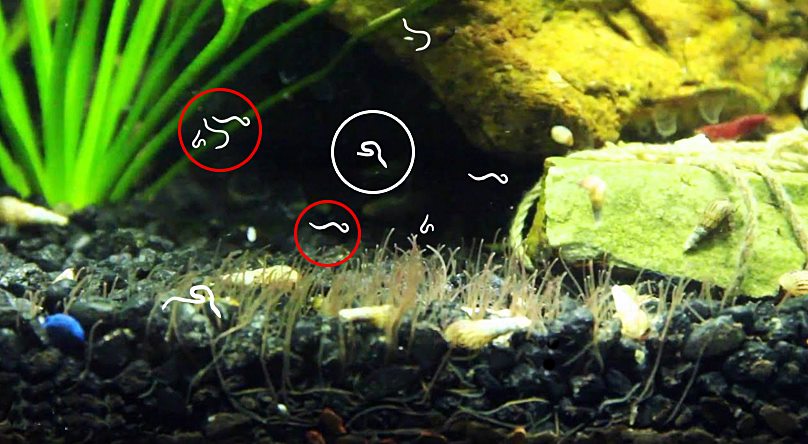
If you’ve ever noticed small, squiggling creatures in your aquarium, you might be dealing with aquarium worms. These tiny, often unwanted invaders can appear in various types of fish tanks, and while some are harmless, others can lead to water quality issues and pose a risk to your aquarium’s ecosystem.
Aquarium worms typically appear when the tank is not properly maintained or overfed, leading to an imbalance in the environment. While some worms can be beneficial as part of the natural cleaning process, an overgrowth can indicate underlying issues such as excess nutrients or poor water quality.
In this guide, we’ll explore the different types of aquarium worms, what causes them, and, most importantly, how to safely and effectively eliminate them from your aquarium.
Common Types of Aquarium Worms
Before addressing how to get rid of aquarium worms, it’s important to identify which type of worms you are dealing with. There are several types of worms that commonly infest aquariums, each with its own characteristics:
1. Detritus Worms
These are one of the most common types of worms found in aquariums. They are typically small, white or translucent worms that thrive on decomposing organic matter like leftover food, fish waste, and dead plant material.
- Appearance: Detritus worms are often seen wriggling around the substrate or appearing in the water column.
- Cause: They flourish in tanks with poor filtration or overfeeding.
2. Planaria Worms
Planaria worms are flat, soft-bodied worms that can appear in both freshwater and saltwater aquariums. While they don’t usually harm fish, they can become a nuisance and indicate poor water quality.
- Appearance: Planaria worms are typically white or light brown and can sometimes have a triangular head.
- Cause: They often appear in tanks with excess nutrients, overfeeding, or decaying matter.
3. Brine Shrimp Worms (Tubifex Worms)
These are small, reddish worms that are often sold as live food for fish. However, if you accidentally overfeed your fish with live brine shrimp or tubifex worms, they can begin to multiply in the tank, becoming a nuisance.
- Appearance: Brine shrimp worms are reddish or pink and can grow in clusters.
- Cause: Overfeeding or improper storage of live food.
4. Bloodworms
Bloodworms are not actually worms, but the larvae of midge flies. They are commonly used as fish food, but if not eaten, they can infest the tank, especially in stagnant or improperly filtered water.
- Appearance: Bloodworms are red due to the hemoglobin in their bodies.
- Cause: Overfeeding, especially with live or frozen bloodworms.
Signs of an Aquarium Worm Infestation
It’s not always easy to spot aquarium worms, as they tend to hide in the substrate or on plants. However, here are some signs that may indicate you have an infestation:
- Visible worms: Worms may be visible on the substrate, on decorations, or swimming in the water column.
- Cloudy water: An increase in worm population can contribute to cloudiness in the water.
- Fish health decline: If the worms are consuming excessive organic matter or disturbing the substrate, it may lead to poor water quality, which can affect the health of your fish.
- Overgrowth of algae: Excess nutrients from decomposing worms can contribute to algae blooms in your tank.
How to Get Rid of Aquarium Worms: Effective Methods
If you’ve identified a worm infestation in your aquarium, there are several steps you can take to eliminate the worms and restore the health of your tank. Here’s a step-by-step guide on how to get rid of aquarium worms:
1. Remove Visible Worms Manually
If the infestation is minor, start by manually removing the worms from your tank. Use a fine net or siphon to catch the worms or remove them from the surface of the tank, plants, or decorations.
- Use a siphon: A siphon or aquarium vacuum is a great tool for removing worms from the substrate and cleaning up excess organic waste where worms thrive.
2. Perform a Partial Water Change
A partial water change is one of the simplest and most effective ways to reduce the worm population and improve water quality. It will help dilute any excess nutrients in the tank and reset the ecosystem.
- Water change tips: Change 20-30% of the water, and be sure to clean the substrate using a gravel vacuum. This will help remove any decaying matter, leftover food, or fish waste that the worms may be feeding on.
3. Improve Filtration and Water Quality
Aquarium worms, especially detritus worms, thrive in tanks with poor filtration and excess nutrients. To get rid of the worms and prevent further infestations, ensure that your aquarium filtration system is efficient and clean.
- Upgrade the filter: Consider upgrading your filter to one with a higher flow rate or one designed for your tank size. Make sure the filter is appropriate for your tank and that it is regularly cleaned to prevent clogging.
- Use a protein skimmer (for saltwater tanks): In saltwater tanks, a protein skimmer helps remove organic waste before it breaks down into nutrients that worms can feed on.
4. Reduce Feeding and Monitor Diet
Overfeeding is a major cause of aquarium worm infestations. If you’re feeding your fish too much, excess food will break down in the tank, providing food for worms.
- Feed sparingly: Cut back on the amount of food you’re giving your fish, and make sure they are consuming it all within a few minutes. Remove any uneaten food after feeding.
- Use automatic feeders: If you have trouble with overfeeding, consider using an automatic fish feeder that dispenses the correct amount of food at scheduled times.
5. Introduce Worm-Eating Fish
Certain types of fish are natural predators of worms and can help reduce worm populations in your tank.
- Fish options: Consider adding loaches, eels, or catfish (such as Corydoras) to your tank, as they are known to eat worms and other invertebrates in the substrate.
- Consider compatibility: Make sure any new fish you introduce are compatible with your existing fish species and won’t disturb the balance of the tank.
6. Use Chemical Treatments (If Necessary)
If your aquarium is severely infested with worms, you may need to consider using chemical treatments to eliminate them. However, this should be a last resort, as chemicals can harm both your fish and plants if not used properly.
- Worm-specific treatments: Look for aquarium-safe anti-worm treatments that are specifically formulated to target the type of worms in your tank. Always follow the manufacturer’s instructions and monitor your tank closely after using any chemicals.
7. Maintain Regular Cleaning and Water Changes
Even after you’ve removed the worms, it’s important to maintain a regular cleaning schedule to prevent future infestations.
- Weekly maintenance: Perform regular water changes (10-20% per week) and vacuum the substrate to remove organic debris.
- Monitor water parameters: Keep track of water quality by regularly testing pH, ammonia, nitrite, and nitrate levels. Ensuring stable water parameters helps prevent future worm outbreaks.
Preventing Aquarium Worms: Long-Term Solutions
The key to keeping aquarium worms at bay is maintaining a healthy and stable environment for your fish. Here are some tips for preventing future infestations:
- Maintain a balanced diet: Avoid overfeeding your fish and provide a variety of food in proper portions. Consider using high-quality fish food that’s easy to digest and reduces waste.
- Keep the tank clean: Regular cleaning and proper filtration will prevent the buildup of excess organic material that attracts worms.
- Monitor water quality: Ensure your tank’s water remains stable with the right filtration, water changes, and regular testing.
Conclusion: Keep Your Tank Clean and Healthy
Aquarium worms may be an unpleasant surprise, but with the right approach, they can be eliminated quickly and effectively. By manually removing the worms, performing water changes, and addressing the root causes like overfeeding or poor filtration, you can restore your aquarium to its natural balance. Preventing future infestations through regular maintenance and proper care will keep your tank healthy and your fish happy.