Introduction: The Importance of Replacing the Paper Liner in Your Bird’s Cage
As a responsible bird owner, keeping your feathered friend’s living environment clean and safe is essential for their health and happiness. One of the easiest and most effective ways to maintain a hygienic bird cage is by replacing the paper liner regularly. Not only does it help control odors, but it also absorbs waste and moisture, reducing the risk of bacteria and mold buildup that can harm your pet.
The paper liner serves several critical functions in the cage, from absorbing feces and food waste to providing a safe, comfortable surface for your bird to perch on. However, regular maintenance and proper cleaning are essential to ensure that your bird’s cage remains a healthy space for them to thrive in.
In this guide, we’ll walk you through the reasons why replacing the paper liner in your bird’s cage is so important, how often it should be done, and provide a step-by-step process on how to do it efficiently. Additionally, we’ll discuss the best materials to use and helpful tips to maintain a clean and safe environment for your bird.
Why Replacing the Paper Liner is Essential for Your Bird’s Health
The paper liner in your bird’s cage serves multiple roles that help maintain both their physical health and mental well-being. Here’s why it’s crucial to replace the paper liner regularly:
1. Hygiene and Health Maintenance
Birds can be prone to various diseases and infections, especially those caused by bacteria and fungi. Their cages are where they spend most of their time, and a dirty cage can expose them to harmful pathogens that can compromise their immune systems.
- Waste Absorption: Birds produce waste frequently, and the paper liner serves to absorb urine and feces, preventing them from spreading throughout the cage and contaminating the surfaces your bird interacts with.
- Preventing Infections: Without regular replacement, accumulated waste can create a breeding ground for harmful bacteria, mold, and fungi, which can lead to respiratory issues, skin infections, or digestive problems.
- Reduced Stress: A clean cage helps reduce your bird’s stress levels, as they are instinctively drawn to clean, safe environments. Birds that are exposed to unsanitary living conditions may experience behavioral issues or show signs of anxiety.
2. Odor Control
A dirty cage can lead to foul odors, making your bird’s living space unpleasant and unhealthy. The paper liner helps absorb moisture and waste, which controls odors before they have the chance to spread through your home.
- Fresh Environment: By replacing the paper liner regularly, you maintain a fresh environment, which not only benefits your bird’s health but also ensures that your home smells pleasant.
- Odor-Absorbing Materials: Some paper liners are designed with odor control properties that help absorb and neutralize unpleasant smells, keeping your bird’s cage smelling fresh for longer periods.
3. Comfort and Safety for Your Bird
The paper liner also provides a soft, cushioned surface for your bird to move around on. This helps prevent injuries caused by rough surfaces, especially if your bird likes to move around or sleep on the cage floor. Additionally, it’s easier for you to spot any health issues like unusual droppings or injured feet when the cage is clean.
- Comfortable Surface: A soft and clean paper liner prevents your bird’s feet from being exposed to uncomfortable or potentially harmful surfaces.
- Easier Monitoring: By regularly replacing the paper liner, you can better monitor your bird’s health. For example, unusual or abnormal droppings are much easier to spot when the liner is fresh and clean.
How Often Should You Replace the Paper Liner in Your Bird’s Cage?
The frequency of replacing the paper liner depends on several factors, including the type of bird you have, how messy they are, and the size of the cage. However, here are some general guidelines:
- Daily to Every Other Day: For birds that are particularly active or messy, you should replace the liner at least once a day or every other day. Birds that eat and drink a lot or produce large amounts of waste may need more frequent cleaning.
- Weekly: For smaller cages or birds that are less active, replacing the liner weekly may suffice. However, it’s still essential to perform daily spot cleaning to remove any visible waste or leftover food.
In addition to replacing the paper liner regularly, make sure to spot clean every day to keep the cage hygienic and comfortable for your pet.
Choosing the Right Paper Liner for Your Bird’s Cage
Selecting the right paper liner is crucial for both your bird’s health and ease of cleaning. Here are a few factors to consider when choosing the best paper liner for your bird’s cage:
1. Non-Toxic and Safe Materials
Birds are sensitive to chemicals, so it’s vital to choose a paper liner that is non-toxic and free from harmful dyes or fragrances. Avoid using printed newspapers, colored paper, or magazines, as these may contain inks and chemicals that can be harmful to your bird.
- Unscented and Unbleached Paper: Opt for paper liners that are unscented and unbleached, as these are safer for your bird.
- Natural Paper Products: Consider using natural, non-toxic paper products, such as recycled paper or paper towels, to ensure safety.
2. Highly Absorbent
Look for paper liners that are highly absorbent, as this will help control moisture and prevent waste from sitting on the surface. The more absorbent the paper, the less likely it will soak through and create messes.
- Absorbent and Quick-Drying: Choose products made with high-quality, absorbent paper to ensure that waste is contained effectively and that the cage remains dry.
- Thickness: Thicker liners tend to absorb more moisture and last longer, so they are a good option for maintaining a clean cage.
3. Easy to Use and Dispose Of
The paper liner should be easy to handle, cut, and dispose of. You don’t want to struggle with a liner that’s too thick or difficult to remove from the cage.
- Biodegradable Options: Consider choosing biodegradable paper products to reduce your environmental impact. Recycled paper and compostable options are great for eco-conscious pet owners.
- Convenient and Disposable: Opt for liners that are easy to dispose of and won’t leave a mess when you replace them.
Step-by-Step Process for Replacing the Paper Liner in Your Bird’s Cage
Here’s a simple, step-by-step guide to replacing the paper liner in your bird’s cage:
1. Prepare the New Paper Liner
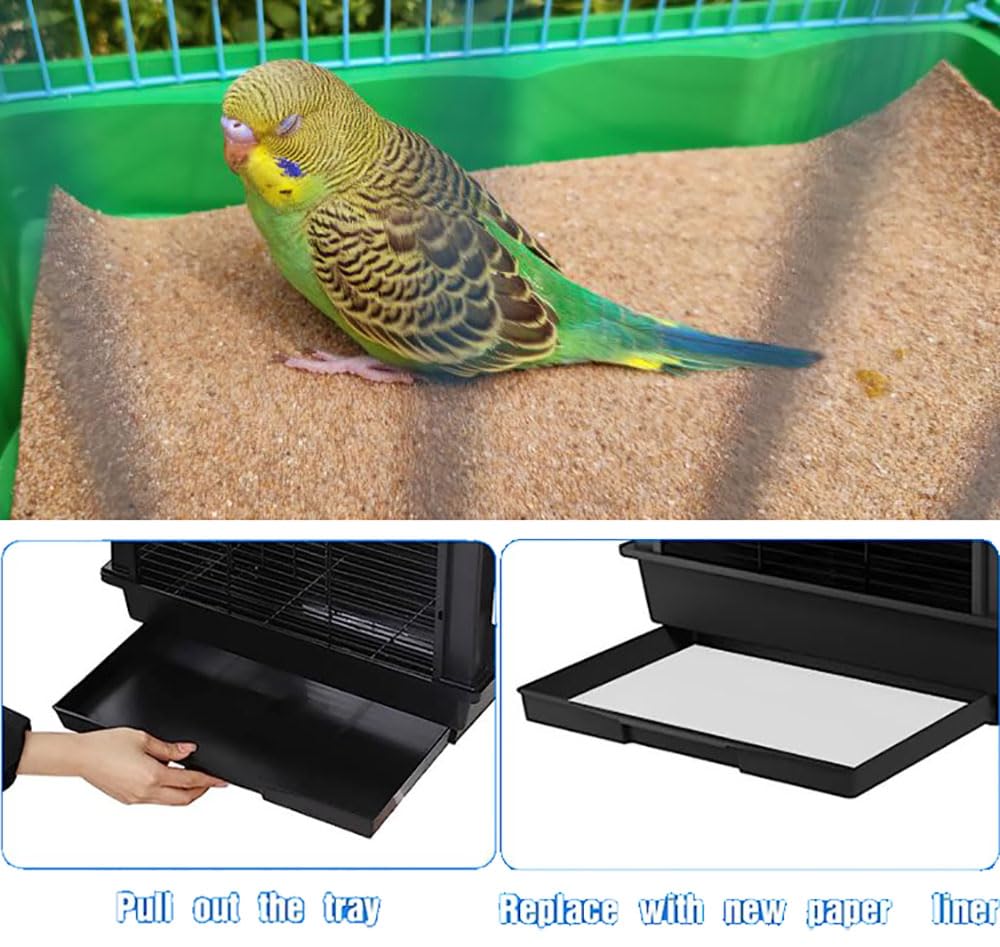
Start by cutting the new paper liner to the size and shape of your bird’s cage. Make sure it covers the entire floor of the cage, including the corners.
- Tip: If you’re using newspaper, stack the sheets and tear them into the appropriate size. If using paper towels, arrange them neatly in a layer to cover the surface completely.
2. Remove the Old Liner
Carefully remove the soiled paper liner from the cage. Use gloves if necessary, especially if the liner is heavily soiled, and dispose of it properly.
- Tip: If the liner is too wet or messy, it may be easier to roll it up into a bundle to avoid spilling waste.
3. Clean the Cage (Optional)
Before replacing the liner, give the cage a quick cleaning with a bird-safe disinfectant to remove any leftover waste, food, or bacteria.
- Tip: Use a soft cloth or sponge to wipe down the cage surfaces, and dry thoroughly before placing the new liner.
4. Place the New Liner in the Cage
Place the new paper liner in the cage, smoothing it out to remove any wrinkles. Ensure that the liner covers the entire bottom of the cage, including the corners.
- Tip: Fold the edges of the paper neatly around the sides of the cage to create a snug fit and prevent your bird from pulling it out.
5. Monitor Your Bird’s Comfort
After replacing the liner, check to ensure that your bird is comfortable and settled in their newly cleaned cage. Make any adjustments to the layout, such as adding fresh food, water, or toys, to keep your bird entertained and engaged.
Additional Tips for Maintaining a Clean Bird Cage
- Spot Clean Regularly: Remove visible waste, leftover food, or feathers daily to keep the cage hygienic.
- Provide Proper Ventilation: Ensure that the cage is well-ventilated to reduce moisture buildup, which can lead to mold or mildew.
- Offer Enrichment: After replacing the liner, introduce new toys, perches, or treats to keep your bird entertained and mentally stimulated in their clean environment.
Conclusion: Keep Your Bird’s Cage Clean and Comfortable
Replacing the paper liner in your bird’s cage is an easy yet essential task to maintain a clean, hygienic, and comfortable environment for your pet. Regular replacement of the liner helps absorb waste, prevent odors, and reduce the risk of bacterial growth, ultimately keeping your bird healthy and happy.
By following these steps and using the right materials, you can ensure that your bird’s cage stays clean, fresh, and inviting. A clean cage is key to your bird’s well-being, so make it a regular part of your bird care routine!