

Introduction: The Fascinating World of Lizard and Snake Pets
Lizards and snakes can make fascinating pets due to their unique behaviors, stunning appearances, and low-maintenance care needs compared to traditional pets like dogs or cats. Whether you’re interested in the colorful charm of a bearded dragon, the elusive elegance of a ball python, or the quirky nature of a gecko, owning a lizard or snake can be a rewarding experience.
However, like all pets, reptiles require specialized care, including the right habitat, diet, and handling to thrive. If you’re considering adopting a lizard or snake, it’s essential to understand their unique needs and behaviors to ensure they lead a long, healthy life.
In this guide, we’ll provide you with everything you need to know about caring for your lizard or snake pet, from setting up their habitat to understanding their dietary needs and health concerns.
Choosing the Right Lizard or Snake Pet
Before bringing a reptile into your home, it’s important to consider the specific species and their care requirements. Different reptiles have different needs in terms of temperature, humidity, diet, and space. Here’s an overview of popular pet reptiles:
1. Lizards
Lizards come in a wide variety of species, each with its own characteristics and care requirements. Some of the most popular pet lizards include:
- Bearded Dragons: Known for their docile nature, bearded dragons are social lizards that enjoy human interaction. They require a warm, dry environment and a diet of insects and vegetables.
- Leopard Geckos: These small, nocturnal lizards are hardy and easy to care for, making them great pets for beginners. They thrive in a dry environment and enjoy live insects.
- Anoles: These small, arboreal lizards are active and easy to care for. They need a humid environment and enjoy a diet of small insects.
2. Snakes
Snakes are captivating pets that come in a variety of species, each with distinct care needs. Some popular pet snake species include:
- Ball Pythons: These small, non-venomous snakes are friendly and easy to handle, making them perfect for first-time snake owners. They require a warm, humid habitat and eat rodents.
- Corn Snakes: Corn snakes are easygoing and colorful snakes that are relatively simple to care for. They enjoy a dry to mildly humid environment and are primarily fed mice and rats.
- Boa Constrictors: Boa constrictors are large, non-venomous snakes that can make great pets for experienced owners. They require large enclosures and a diet of rats or rabbits.
Setting Up the Ideal Habitat for Your Lizard or Snake
Creating the right habitat is essential for your reptile’s health and well-being. Here’s a breakdown of what you need to consider when setting up the perfect home for your lizard or snake:
1. Enclosure
Choosing the right enclosure is the first step in creating a suitable habitat for your pet.
- Lizards: Most lizards need a spacious terrarium with enough room for climbing and basking. Bearded dragons, for example, need a long, rectangular tank, while arboreal species like anoles need vertical space for climbing.
- Snakes: Snakes require a secure, well-ventilated enclosure that is long enough for them to stretch out. A glass terrarium with a secure lid is usually ideal, as it allows for good visibility and ventilation.
2. Temperature and Heating
Reptiles are cold-blooded, meaning they rely on external heat sources to regulate their body temperature. Providing the correct temperature gradient is vital for digestion, activity, and overall health.
- Lizards: Most lizards, including bearded dragons and geckos, need a basking spot with temperatures between 95-100°F (35-38°C) during the day, with a cooler area for them to retreat to.
- Snakes: Ball pythons and other snakes also require a temperature gradient with a basking area of about 85-90°F (29-32°C) and a cooler area that ranges from 75-80°F (24-27°C).
- Heating equipment: Under-tank heaters, basking lamps, and ceramic heat emitters are common ways to provide consistent heat. Use a thermometer to monitor temperatures and ensure they stay within the optimal range.
3. Humidity Levels
Humidity is a crucial factor in setting up a healthy habitat, especially for species like geckos, snakes, and tropical lizards.
- Lizards: Species like leopard geckos prefer low humidity, while other lizards, like chameleons, require higher humidity levels. Providing a misting system or a shallow water dish can help maintain the appropriate humidity levels.
- Snakes: Ball pythons and other species may require moderate humidity, and you can achieve this by providing a water dish and occasionally misting their enclosure.
4. Substrate (Bedding)
The right substrate helps with both comfort and cleanliness in your reptile’s habitat.
- Lizards: Bearded dragons and other ground-dwelling lizards thrive on sand, soil, or reptile carpet. Avoid substrates like cedar or pine shavings, as they can cause respiratory issues.
- Snakes: Aspen bedding, coconut husk, or paper towels are commonly used as substrates for snakes. These options are easy to clean and provide a comfortable surface for burrowing.
Feeding Your Lizard or Snake: Diet Tips and Recommendations
Reptiles, including lizards and snakes, require specific diets that vary depending on their species. Here’s an overview of what to feed your pet reptile:
1. Lizards
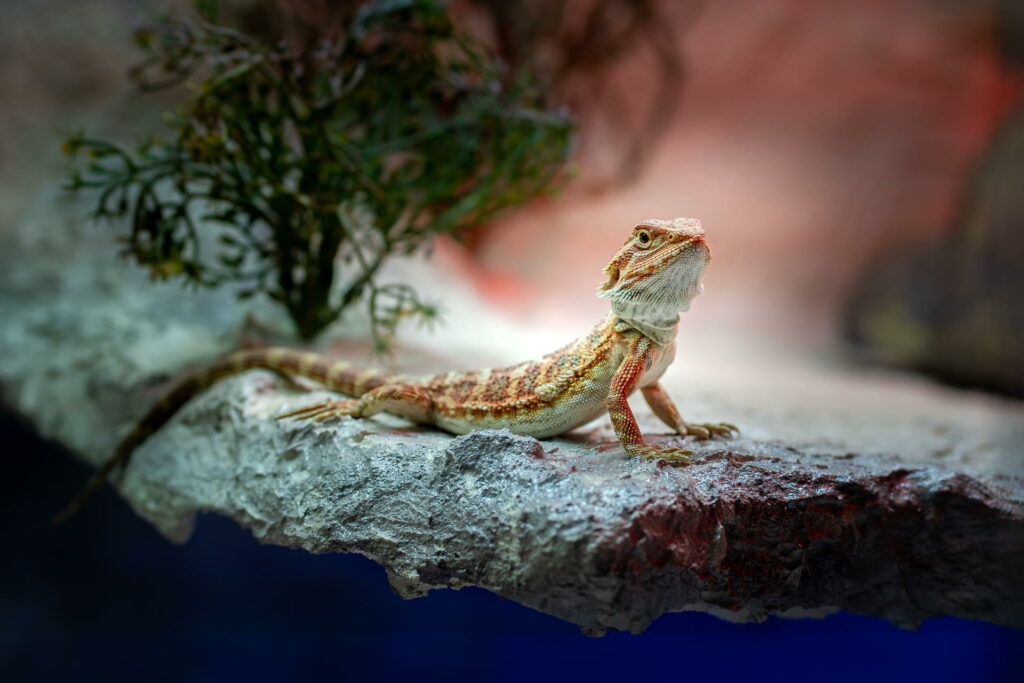
Lizards, depending on their species, can be insectivores, herbivores, or omnivores. Bearded dragons, for example, need a combination of live insects and vegetables, while herbivores like iguanas need a plant-based diet.
- Insects: Crickets, mealworms, dubia roaches, and waxworms are common food options for insectivorous lizards.
- Vegetables: Offer a variety of leafy greens like collard greens, dandelion greens, and kale, along with vegetables like squash and bell peppers for omnivorous lizards.
- Supplements: Most lizards require calcium and vitamin D3 supplements to support bone health, especially if they’re kept indoors.
2. Snakes
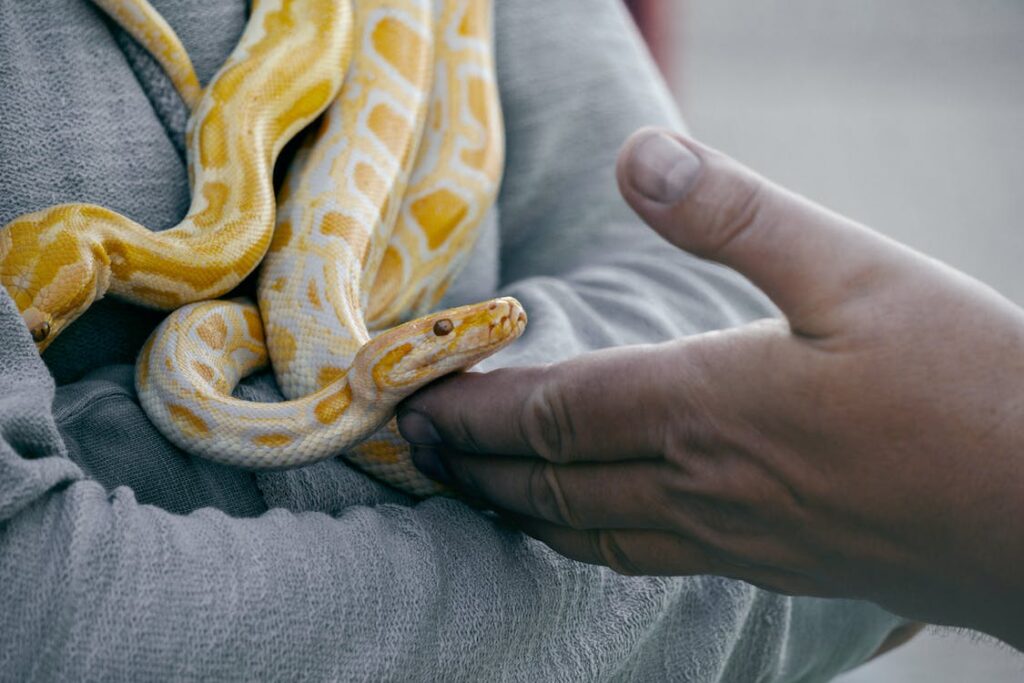
Most snakes are carnivorous, feeding primarily on rodents like mice and rats. Larger snakes may need larger prey, such as rabbits.
- Feeding schedule: Juvenile snakes typically need to be fed once a week, while adults may only need feeding every 7-10 days. Ensure that the prey is appropriately sized for your snake’s size.
- Frozen vs. live food: It’s safer to feed your snake frozen/thawed prey instead of live food to avoid injury to your pet.
Health Care and Maintenance for Your Reptile
To ensure your lizard or snake remains healthy, regular veterinary care and attention to their environment are necessary:
- Checkups: Routine checkups with a vet who specializes in reptiles are important to monitor your pet’s health, particularly for parasites, skin infections, or respiratory issues.
- Shedding: Many lizards and snakes shed their skin regularly. Providing a humid environment and a rough surface to help with shedding is important, especially for snakes.
- Behavioral monitoring: Watch for signs of illness, such as lethargy, loss of appetite, or abnormal shedding. If you notice these signs, contact your veterinarian immediately.
Conclusion: Becoming a Responsible Lizard and Snake Owner
Caring for a lizard or snake can be an incredibly rewarding experience, but it’s important to understand the unique needs of these fascinating reptiles. From setting up the right habitat to providing the appropriate diet and monitoring their health, there are many factors to consider when caring for a lizard or snake.
By ensuring that your scaly companions have a proper habitat, a balanced diet, and regular veterinary care, you can provide them with a happy, healthy life in your home. Whether you’re new to reptiles or an experienced owner, understanding your pet’s needs will help ensure they thrive as your fascinating, exotic companions.