
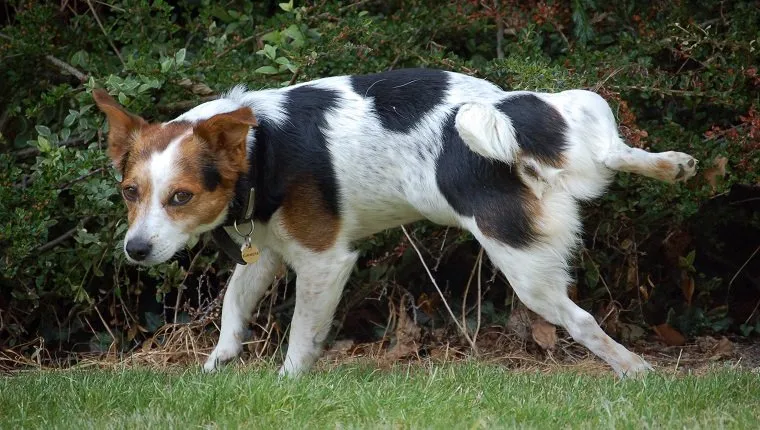
Introduction: The Importance of Urinary Tract Health in Pets
The urinary tract is essential for eliminating waste and maintaining fluid balance in your pet’s body. However, just like humans, pets can suffer from urinary tract issues, including urinary tract infections (UTIs), bladder stones, and more severe conditions such as kidney disease. When your pet’s urinary tract isn’t functioning properly, it can lead to a host of problems, from discomfort to more serious complications.
Both dogs and cats are susceptible to urinary tract problems, but the symptoms and underlying causes may vary. Understanding how to prevent urinary issues, recognize the symptoms early, and seek treatment promptly can significantly improve your pet’s quality of life. In this guide, we’ll explore the common urinary tract issues in pets, the signs to watch out for, and ways to maintain your pet’s urinary tract health.
Common Urinary Tract Issues in Dogs and Cats
1. Urinary Tract Infections (UTIs)
Urinary tract infections are one of the most common urinary tract problems for both dogs and cats. UTIs occur when bacteria invade the urinary tract, causing inflammation and discomfort.
- In Dogs: Female dogs are more prone to UTIs, especially those with longer urethras or who suffer from incontinence. UTIs are also common in older dogs and those with weakened immune systems.
- In Cats: UTIs in cats often involve a mix of bacterial infections and inflammation, sometimes leading to Feline Lower Urinary Tract Disease (FLUTD). Stress, poor diet, and urinary crystals are also contributing factors in cats.
2. Bladder Stones
Bladder stones (also known as uroliths) are solid masses that form in the urinary bladder. They can cause pain, blockage, and discomfort, especially if they obstruct the urethra.
- In Dogs: Bladder stones are common in certain breeds, such as Miniature Schnauzers, Yorkshire Terriers, and Dachshunds. They can cause difficulty urinating and may lead to frequent accidents or blood in the urine.
- In Cats: Bladder stones in cats are less common but still a concern. They often result in inflammation of the bladder and can lead to painful urination or even blockages.
3. Urinary Blockages
Urinary blockages, especially in male cats, are life-threatening conditions that can result from the formation of urinary crystals, bladder stones, or a buildup of mucus. If untreated, urinary blockages can lead to kidney failure and death.
- In Dogs: While urinary blockages are rare in dogs, they can still occur, typically in male dogs with enlarged prostates or other structural issues.
- In Cats: Male cats are more prone to urinary blockages, which can prevent them from urinating and lead to an emergency situation.
4. Chronic Kidney Disease (CKD)
Chronic kidney disease is more common in older pets and is often related to prolonged urinary tract issues. When the kidneys aren’t functioning properly, they can’t filter toxins or regulate fluid balance, which impacts the urinary tract.
- In Dogs: Senior dogs are at a higher risk of CKD, and early symptoms can include increased thirst, frequent urination, and lethargy.
- In Cats: Cats are particularly prone to CKD as they age. Symptoms include dehydration, weight loss, and a decrease in appetite.
Symptoms of Urinary Tract Problems in Pets
Recognizing the symptoms of urinary tract problems early is crucial for effective treatment. The following signs indicate that your dog or cat may be suffering from a urinary tract issue:
- Frequent urination or straining to urinate: If your pet is urinating more often than usual or having difficulty urinating, it could be a sign of a blockage or infection.
- Blood in urine: Presence of blood in the urine is a serious symptom that could indicate a UTI, bladder stones, or other urinary tract issues.
- Painful urination: If your pet is crying or showing signs of discomfort while urinating, it may be due to inflammation or infection.
- Licking the genital area: Excessive licking or grooming of the genital area could indicate irritation or discomfort from urinary issues.
- Changes in urination habits: Inappropriate urination, accidents, or urinating outside the litter box (in cats) may suggest urinary tract problems.
- Loss of appetite and lethargy: Urinary tract infections or kidney problems can cause loss of appetite and general malaise.
- Bad odor from the urine: Foul-smelling urine can indicate an infection or the presence of crystals or stones.
Prevention and Maintenance of Urinary Tract Health
1. Provide Plenty of Fresh Water
Hydration is key to maintaining urinary tract health. When your pet drinks plenty of water, their urine becomes diluted, which reduces the chance of bacteria buildup and the formation of crystals or stones. Make sure your pet always has access to fresh, clean water.
- For Cats: Cats are often not great at drinking water on their own. Consider investing in a pet water fountain, as many cats are more inclined to drink flowing water.
- For Dogs: Ensure your dog has access to water throughout the day, particularly during and after meals, to help flush out toxins and bacteria.
2. Feed a Balanced Diet
A proper diet is essential for maintaining urinary tract health. Avoid foods that promote the formation of crystals or stones, and instead, focus on a balanced diet with appropriate nutrients. Some foods are specially formulated to prevent urinary issues.
- For Cats: Cats have a unique urinary system, and it’s essential to feed them high-quality, moisture-rich food. Wet food helps keep them hydrated and supports a healthy urinary tract.
- For Dogs: Make sure your dog’s diet is balanced and contains the right amount of fiber, protein, and minerals. Some dog foods are formulated to prevent urinary tract infections and stones.
3. Regular Vet Check-ups
Regular vet visits are essential for keeping your pet’s urinary tract healthy. Your vet can monitor your pet’s overall health, run routine urine tests, and detect any early signs of urinary issues.
- Urine Analysis: A simple urine test can identify issues such as UTIs, bladder crystals, and kidney function.
- Early Detection of Kidney Disease: Regular check-ups for older pets can help detect kidney disease early, allowing for timely treatment.
4. Manage Stress
Stress is a known trigger for urinary tract issues, especially in cats. Stress can lead to Feline Lower Urinary Tract Disease (FLUTD), which causes inflammation of the bladder and urinary tract. Stress management techniques, such as providing a calm environment, can help reduce the risk of urinary tract problems.
- For Cats: Provide a safe, quiet space where your cat can retreat when stressed. Play therapy, interactive toys, and cat trees can also reduce anxiety.
- For Dogs: Make sure your dog has a consistent routine and avoid sudden changes in their environment, which can cause stress-related urinary issues.
5. Keep Your Pet Active
Physical activity is not only important for your pet’s overall health but also helps promote a healthy urinary system. Regular exercise ensures that your pet’s body functions efficiently and supports the kidneys and urinary tract.
- For Cats: Engage in interactive play, such as using laser pointers or feather wands, to encourage movement and relieve stress.
- For Dogs: Regular walks, playtime, and interactive activities will help keep your dog healthy and happy, supporting their urinary and overall health.
Treatment for Urinary Tract Problems in Pets
If your pet shows any symptoms of a urinary tract problem, it’s important to seek veterinary care as soon as possible. Treatment will depend on the cause of the issue:
- Urinary Tract Infections (UTIs): Your vet will likely prescribe antibiotics to treat the infection.
- Bladder Stones: Depending on the size and type of stone, treatment may include dietary changes, medication, or even surgery.
- Urinary Blockages: Urinary blockages in male cats require immediate medical attention, and your vet will need to relieve the blockage to avoid serious complications.
- Chronic Kidney Disease (CKD): Treatment for CKD may include dietary changes, fluid therapy, and medications to manage symptoms and slow disease progression.
Conclusion: Keeping Your Pet’s Urinary Tract Healthy
Maintaining a healthy urinary tract is crucial for your pet’s overall well-being. By staying proactive with hydration, diet, stress management, and regular veterinary visits, you can help prevent urinary issues and ensure your pet enjoys a happy, healthy life.
If you notice any signs of urinary tract problems, don’t hesitate to contact your veterinarian. Early detection and treatment can make a world of difference in maintaining your pet’s urinary health.