Introduction: Why Consider a Natural Diet for Your Dog?
As a pet owner, you want the best for your dog, especially when it comes to their nutrition. Many conventional dog foods contain artificial additives, preservatives, and low-quality ingredients that may not be ideal for your dog’s health in the long run. A natural diet for dogs focuses on whole, unprocessed ingredients, providing essential nutrients that promote overall health, energy, and well-being.
In recent years, there has been a growing trend toward feeding dogs natural diets—such as raw, home-cooked, or minimally processed foods—as a way to improve their quality of life and prevent chronic health issues. Natural diets aim to mimic a dog’s ancestral feeding patterns by incorporating fresh meat, vegetables, and whole grains, ensuring a balanced and nutritious meal.
In this guide, we’ll explore the benefits of natural diets for dogs, the different types of natural diets available, and how to transition your dog to a healthier, more natural feeding routine.
What Is a Natural Diet for Dogs?
A natural diet for dogs emphasizes whole, high-quality ingredients that are minimally processed, aiming to provide your dog with a diet as close to their natural eating habits as possible. These diets often include:
- Whole meats: Natural diets prioritize fresh meats such as chicken, beef, lamb, and fish, which are rich in protein and essential amino acids.
- Fruits and vegetables: High-quality natural diets include fresh, organic fruits and vegetables like sweet potatoes, carrots, and spinach, which provide essential vitamins, minerals, and fiber.
- Healthy fats: Natural fats from sources like fish oils, flaxseed, and chicken fat are included to support healthy skin, coat, and brain function.
- Limited processing: Natural diets are typically less processed compared to traditional kibble, which helps preserve the integrity of the ingredients and their nutritional content.
Types of Natural Diets for Dogs
1. Raw Diet (BARF Diet)
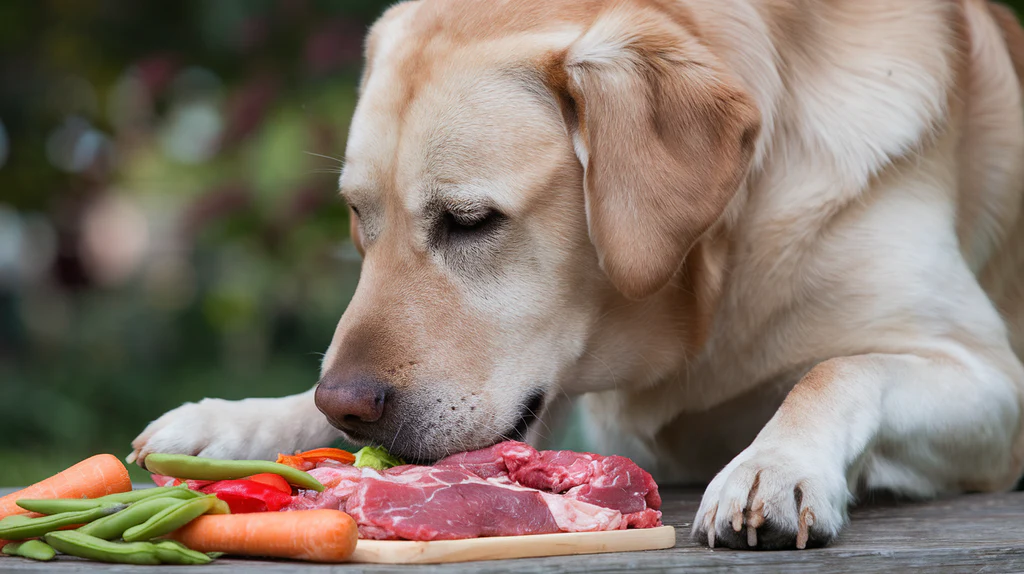
The raw diet is based on the idea of feeding dogs foods that mimic the diet of their wild ancestors. This type of diet typically consists of raw meat, bones, fruits, and vegetables. It’s often referred to as the BARF diet (Biologically Appropriate Raw Food) or RMBD (Raw Meat-Based Diet).
Benefits of a Raw Diet:
- Improved coat and skin health: Raw food provides a high level of omega-3 fatty acids, which promote healthy skin and a shiny coat.
- Better digestion: Raw food is more easily digested by dogs, leading to smaller, firmer stools.
- Increased energy: Raw diets are nutrient-dense, providing dogs with more sustained energy levels.
Considerations:
- Preparation time: Raw diets require careful preparation and balancing to ensure your dog gets all the necessary nutrients. This can be time-consuming and may require consultation with a vet or pet nutritionist.
- Safety: Raw meat can contain bacteria like Salmonella or E. coli, so proper food handling and storage are essential to avoid foodborne illness.
2. Home-Cooked Diet
Home-cooked meals are another natural diet option for dogs. With this approach, pet owners cook their dog’s meals at home using fresh, whole ingredients like meat, vegetables, and grains. Home-cooked meals can be highly customized to meet your dog’s specific needs, and you can control the quality of ingredients.
Benefits of Home-Cooked Diets:
- Customization: You can tailor meals to address your dog’s specific health conditions, allergies, or sensitivities.
- Fewer additives: Home-cooked meals are free from artificial preservatives, colorings, and by-products often found in commercial dog food.
- High-quality ingredients: You can choose organic, grass-fed meats, and pesticide-free vegetables for a truly healthy meal.
Considerations:
- Time-consuming: Preparing home-cooked meals requires more time and effort than feeding pre-packaged dog food.
- Nutritional balance: It can be difficult to ensure your dog’s diet is nutritionally balanced without professional guidance. Consult with a vet or canine nutritionist to ensure that the meals are complete and balanced.
3. Dehydrated and Freeze-Dried Food
Dehydrated and freeze-dried foods are convenient options for pet owners seeking a natural diet for their dogs without the need for raw food preparation. These foods are made with high-quality, minimally processed ingredients that are preserved through dehydration or freeze-drying, which retains most of the nutrients.
Benefits of Dehydrated and Freeze-Dried Foods:
- Convenience: These foods are easy to store, and you can quickly rehydrate them with water for a fresh, nutritious meal.
- Nutrient retention: Freeze-drying and dehydrating preserve many of the vitamins, minerals, and enzymes found in the ingredients.
- Balanced nutrition: Many dehydrated and freeze-dried foods are formulated to provide a complete and balanced diet, making it easier to feed your dog without worrying about ingredient ratios.
Considerations:
- Cost: Dehydrated and freeze-dried dog food can be more expensive than traditional kibble or canned food.
- Rehydration: These foods require water to be rehydrated, which may be less convenient for some pet owners.
Benefits of Feeding Your Dog a Natural Diet
1. Improved Digestion
One of the most immediate benefits of a natural diet is improved digestion. Natural diets are rich in high-quality protein and fiber, which help regulate your dog’s digestive system. Dogs on a natural diet tend to have fewer digestive issues, such as diarrhea or constipation, and their stools are smaller and firmer.
2. Healthier Skin and Coat
A natural diet supports your dog’s skin and coat health by providing essential fatty acids, including omega-3s and omega-6s. These nutrients help maintain a shiny, healthy coat, reduce shedding, and prevent dry, flaky skin. Dogs on a natural diet often experience fewer skin issues like hot spots, rashes, or itching.
3. Increased Energy Levels
High-quality natural ingredients provide your dog with sustained energy, promoting more active behavior and better overall health. Dogs on a natural diet often have more stamina and agility, which can improve their quality of life, especially as they age.
4. Weight Management
Natural diets are often lower in carbohydrates and free from fillers, which can help prevent unnecessary weight gain in dogs. By feeding your dog a more nutrient-dense diet, you can help them maintain a healthy weight and reduce the risk of obesity-related health problems.
5. Better Immune Function
Natural diets, rich in vitamins, minerals, and antioxidants from fruits and vegetables, help boost your dog’s immune system. A strong immune system means your dog is better equipped to fight off infections, inflammation, and chronic diseases.
How to Transition Your Dog to a Natural Diet
Transitioning your dog to a natural diet requires patience and gradual changes to ensure their digestive system adjusts. Here’s how to make the switch:
- Start Slowly: Begin by mixing small amounts of the new natural food with your dog’s current food. Gradually increase the proportion of the new food over a period of 7-10 days.
- Monitor for Issues: Keep an eye on your dog’s digestion, energy levels, and coat condition during the transition. If your dog experiences any adverse reactions like vomiting, diarrhea, or lethargy, consult with your vet.
- Be Consistent: Once your dog is fully transitioned, continue to feed them the natural diet consistently to maintain the benefits.
Conclusion: Investing in Your Dog’s Health with a Natural Diet
Switching to a natural diet can have a profound impact on your dog’s health, from improved digestion and skin to better weight management and overall vitality. By focusing on whole, unprocessed ingredients, you provide your dog with the best possible nutrition to help them thrive.
If you’re considering transitioning your dog to a natural diet, consult with your vet to ensure the diet is nutritionally balanced and appropriate for your dog’s unique needs. With the right approach, a natural diet can provide your dog with the foundation for a long, healthy, and happy life.