
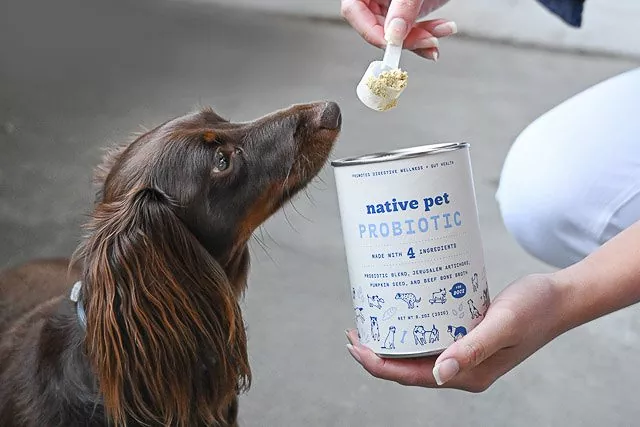
Introduction: The Importance of Gut Health in Dogs
Just like humans, your dog’s digestive system plays a vital role in maintaining their overall health. A healthy gut is responsible for digesting food, absorbing nutrients, and protecting the body from harmful bacteria and pathogens. Unfortunately, when the balance of good bacteria in the gut is disrupted, it can lead to digestive issues like diarrhea, constipation, and bloating, as well as contribute to chronic health problems.
This is where probiotics come into play. Probiotics are live microorganisms, often referred to as “good bacteria,” that can help balance the gut microbiome and improve digestive function. While probiotics are commonly associated with human health, they can also have significant benefits for dogs.
In this guide, we’ll explore what probiotics are, how they support your dog’s health, the benefits of probiotics for dogs, and how to choose the best probiotic supplement for your furry friend.
What Are Probiotics?
Probiotics are beneficial bacteria and yeast that live in your dog’s digestive tract. These microorganisms help maintain a healthy balance of gut bacteria, support digestion, and boost the immune system. Just like in humans, a healthy balance of beneficial bacteria in your dog’s gut is crucial for overall health.
There are different strains of probiotics, and each one plays a unique role in promoting gut health. The most commonly used strains for dogs are:
- Lactobacillus: This strain helps balance the gut flora and is often used to treat diarrhea.
- Bifidobacterium: Bifidobacterium is known to support immune health and improve digestion.
- Enterococcus: This strain supports the gastrointestinal tract and promotes a healthy microbiome.
Benefits of Probiotics for Dogs
Probiotics offer several health benefits for dogs, especially for their digestive system. Adding a probiotic supplement to your dog’s diet can improve digestion, boost immunity, and even enhance their overall health and wellness.
1. Improved Digestive Health
One of the most common uses of probiotics for dogs is to promote better digestive health. Probiotics help maintain a healthy balance of bacteria in the gut, which is essential for proper digestion. When your dog’s gut microbiome is in balance, they can digest food more efficiently, absorb nutrients better, and experience fewer digestive issues.
- Diarrhea: Probiotics can help reduce the severity and duration of diarrhea caused by factors like stress, dietary changes, or bacterial infections.
- Constipation: Regular probiotic use can help promote normal bowel movements and reduce constipation.
- Bloating and Gas: Probiotics can help reduce bloating and gas caused by poor digestion or an imbalance of gut bacteria.
2. Enhanced Immune System
Your dog’s gut is home to a large portion of their immune system, and a balanced gut microbiome is essential for a strong immune response. Probiotics help stimulate the production of beneficial immune cells, enhancing your dog’s natural defenses.
- Disease Resistance: Probiotics can improve your dog’s ability to fight off infections by supporting the immune system and maintaining a healthy gut barrier.
- Reduced Inflammation: Probiotics may help reduce inflammation in the gut, preventing chronic conditions like inflammatory bowel disease (IBD) and improving overall immune health.
3. Relieving Stress-Induced Digestive Problems
Stress can have a significant impact on your dog’s gut health, leading to issues like diarrhea, vomiting, and lack of appetite. Probiotics can help mitigate the effects of stress by balancing gut bacteria and supporting digestive function during stressful events.
- Travel Stress: If your dog experiences digestive upset while traveling, probiotics can help soothe their gut and reduce symptoms of travel-related anxiety.
- Separation Anxiety: Dogs with separation anxiety may experience digestive distress, and probiotics can help ease this issue by improving gut health.
4. Improved Coat and Skin Health
A healthy gut contributes to better overall health, including skin and coat health. By supporting the gut microbiome, probiotics can help maintain healthy skin, a shiny coat, and reduced inflammation from conditions like eczema or allergies.
- Allergies: Probiotics may help reduce the symptoms of allergies by supporting immune health and reducing inflammation, leading to healthier skin.
- Shiny Coat: Probiotics help with nutrient absorption, ensuring that your dog is getting the vitamins and minerals necessary for a healthy, glossy coat.
5. Better Nutrient Absorption
Probiotics can help enhance your dog’s ability to absorb nutrients from their food. By improving digestion, probiotics allow your dog to make the most of their diet, which can improve their energy levels, overall health, and well-being.
- Improved Absorption: Probiotics help break down food more effectively, ensuring that your dog absorbs essential vitamins and minerals.
- Prevention of Nutrient Deficiencies: Probiotics can help prevent deficiencies by optimizing digestion and absorption, contributing to overall health.
When to Use Probiotics for Your Dog
Probiotics are generally safe for dogs and can be used as a preventive measure to maintain a healthy gut microbiome. However, there are certain situations where probiotics can be especially beneficial for your dog:
- After Antibiotic Treatment: Antibiotics can kill both bad and good bacteria in the gut, leading to digestive upset. Probiotics help restore balance by replenishing beneficial bacteria after an antibiotic course.
- During Digestive Distress: If your dog is experiencing diarrhea, vomiting, or constipation, probiotics can help soothe their digestive system and promote a healthier gut.
- After Stressful Events: Probiotics can help mitigate the effects of stress, whether it’s from travel, a change in routine, or a new environment.
- Chronic Digestive Problems: If your dog suffers from chronic digestive issues like IBD or food allergies, probiotics may provide long-term support to help manage symptoms.
How to Choose the Best Probiotic for Your Dog
When choosing a probiotic supplement for your dog, it’s important to select a high-quality product that contains the right strains of beneficial bacteria. Here are some tips for choosing the best probiotic for your dog:
- Look for reputable brands: Choose products from well-known, trusted brands that use high-quality ingredients and are specifically formulated for dogs.
- Check for multiple strains: Look for probiotics that contain multiple strains of beneficial bacteria for comprehensive digestive support.
- Avoid fillers: Choose a product that is free from unnecessary additives, fillers, or artificial ingredients that could upset your dog’s stomach.
- Consult with your vet: If you’re unsure about which probiotic to choose, consult your veterinarian for recommendations based on your dog’s specific health needs.
How to Give Probiotics to Your Dog
Probiotics for dogs come in various forms, including powders, capsules, chews, and liquids. Depending on your dog’s preferences and size, you can choose the form that’s easiest for them to consume.
- Powders: Probiotic powders can be mixed into your dog’s food. This is an easy and effective way to give your dog probiotics without any hassle.
- Capsules: If your dog is comfortable with taking pills, you can opt for probiotic capsules. Some capsules can be opened and mixed into food if your dog doesn’t like swallowing pills.
- Chews: Probiotic chews are flavored treats that make it easy to give your dog their probiotics as part of their daily routine.
- Liquids: Liquid probiotics can be added to your dog’s water or food for easy consumption.
Conclusion: Supporting Your Dog’s Gut Health with Probiotics
Probiotics are a valuable addition to your dog’s diet and can provide a range of health benefits, from improving digestion to supporting the immune system and enhancing overall well-being. Whether your dog is experiencing digestive issues or you’re simply looking to maintain their health, probiotics can help promote a balanced gut microbiome and improve their quality of life.
Before introducing probiotics to your dog’s diet, consult with your veterinarian to ensure they’re the right choice for your pet’s specific needs. With the right probiotic supplement and a healthy diet, you can support your dog’s digestive health and overall wellness for years to come.