
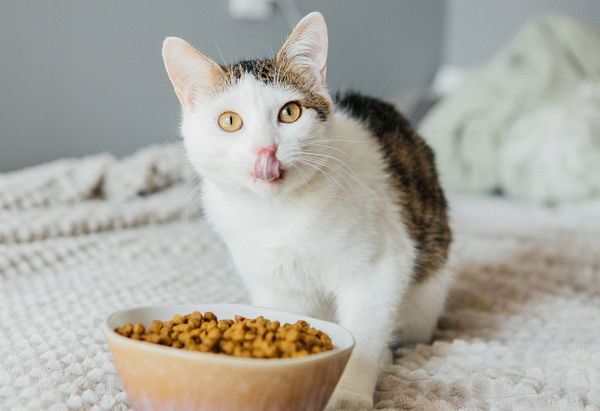
Introduction: The Importance of a Balanced Diet for Your Cat’s Health
As cat owners, one of the most important factors contributing to our feline companions’ health is the food we provide them. A proper, well-balanced diet not only supports their day-to-day energy needs but also promotes long-term health, helping to maintain their immune system, skin and coat quality, and cognitive function. Unlike humans or omnivores, cats are obligate carnivores, which means they need a diet that’s high in animal-based proteins and fats to thrive.
Feeding your cat the right type and amount of food is crucial for their vitality. In this guide, we’ll explore what constitutes a healthy cat diet and provide you with 7 essential tips for ensuring that your cat receives the best possible nutrition.
What Makes Up a Healthy Diet for Cats?
Cats’ nutritional needs are different from those of humans or dogs. To ensure they stay healthy, your cat’s diet should be balanced and rich in essential nutrients, including proteins, fats, vitamins, and minerals. Here’s a closer look at the components that should be included in a healthy diet for cats:
- Animal-Based Protein: Protein is a vital component for tissue repair, immune function, and the development of muscle mass. Cats require high-quality animal protein, which provides all the necessary amino acids that their bodies need. Protein from meat sources like chicken, turkey, beef, and fish are the most suitable options for your cat.
- Fats and Essential Fatty Acids: Healthy fats are important for providing concentrated energy and supporting skin health, cognitive function, and a shiny coat. Omega-3 and omega-6 fatty acids, found in sources like fish oil, are especially beneficial for overall health.
- Taurine: This amino acid is found in animal tissues and is essential for a cat’s heart health, vision, and overall function. Cats cannot produce enough taurine on their own, so it must be provided through their diet.
- Vitamins and Minerals: Essential nutrients like vitamins A, B, D, and E, along with minerals such as calcium, phosphorus, and magnesium, are crucial for your cat’s growth, bone health, immune function, and more.
- Water and Moisture: Cats often don’t drink enough water on their own, so a diet rich in moisture, such as wet food, can help support hydration and promote kidney and urinary tract health.
7 Tips for Maintaining Your Cat’s Health with a Healthy Diet
1. Prioritize High-Quality Protein
As obligate carnivores, cats require a diet rich in high-quality animal protein to support their muscle mass, immune function, and overall health. Unlike omnivores, cats cannot thrive on plant-based proteins, so it’s important to feed them a food with animal-derived protein.
- Real Animal Protein: The best protein sources for cats come from high-quality, whole animal meat, such as chicken, turkey, beef, or fish. These animal proteins provide the full range of amino acids that cats need to stay healthy.
- Avoid Meat By-Products: Many lower-quality foods contain meat by-products, which are not as nutritionally beneficial as whole cuts of meat. By-products can also be harder to digest and provide less nutritional value.
High protein diets help maintain lean muscle mass, which is important for both active adult cats and growing kittens. It also provides energy and promotes healthy organ function, keeping your cat strong and active.
2. Incorporate Healthy Fats
Fats are a critical energy source for cats, and they help support their skin and coat health. Essential fatty acids, particularly omega-3 and omega-6, provide numerous benefits and are vital for maintaining healthy bodily functions.
- Omega-3 and Omega-6 Fatty Acids: Found in ingredients like fish oil, chicken fat, and flaxseed, these fats are crucial for maintaining a shiny, healthy coat and healthy skin. Omega-3 fatty acids also reduce inflammation, support cognitive function, and protect the heart.
- Moderate Fat Content: Ensure the fat content in your cat’s food is balanced. Too much fat can contribute to obesity, while too little can result in dull skin and coat, as well as a lack of energy.
Healthy fats also support brain development and cognitive function, which is especially important for kittens and senior cats. Fish-based fats, such as those from salmon, provide additional benefits for mental sharpness and overall well-being.
3. Provide Moisture for Hydration
Cats are notoriously poor drinkers, and many cats are chronically dehydrated, which can lead to urinary tract issues, kidney problems, and other health concerns. A diet high in moisture, such as wet food, helps to maintain hydration levels and support kidney health.
- Wet Food: Wet food contains significantly more moisture than dry kibble, typically around 70-80% water. This added moisture helps support your cat’s urinary system and reduces the risk of urinary tract infections or crystals.
- Encourage Water Intake: If you feed dry food, ensure your cat has access to fresh, clean water at all times. You can even consider using a cat water fountain to entice your cat to drink more, as cats are often attracted to running water.
Hydration is a key factor in preventing kidney disease and promoting overall wellness. Offering wet food can also improve digestion by easing the absorption of nutrients from food.
4. Limit Carbohydrates in Your Cat’s Diet
Cats are obligate carnivores, meaning they have no biological need for carbohydrates. While small amounts of carbs may be acceptable for energy, excessive carbohydrates can lead to weight gain, blood sugar spikes, and digestive upset.
- Avoid Excessive Grains: Many commercial cat foods contain corn, wheat, or soy as filler ingredients. These are not nutritionally valuable and should be avoided in favor of higher-quality, protein-rich ingredients.
- Opt for Low-Carb Foods: A diet high in animal protein and low in grains and starches is the best choice for your cat’s health. Focus on wet foods or dry foods that are grain-free and contain vegetables or legumes like peas or sweet potatoes, which offer fiber without excess starch.
By limiting carbohydrate intake, you help prevent obesity, improve digestion, and support your cat’s metabolic function. A high-protein, low-carb diet is best for your cat’s health.
5. Monitor Portion Sizes and Prevent Overfeeding
Obesity is a growing problem in cats, and overfeeding is one of the primary causes. Obesity can lead to various health issues, including diabetes, arthritis, and heart disease. Monitoring your cat’s food intake and adjusting portions according to their weight and activity level is essential.
- Measure Food: Always use a measuring cup or kitchen scale to ensure you’re feeding the correct portion size based on your cat’s weight and calorie needs. Avoid free-feeding, as it can lead to overeating.
- Feed Based on Activity: Active cats or those with high energy needs will require more calories, while senior or less active cats will need fewer calories to maintain a healthy weight.
- Use a Feeding Schedule: Establish a regular feeding schedule for your cat to prevent overeating and maintain a consistent caloric intake.
Maintaining a healthy weight through portion control is one of the most effective ways to keep your cat healthy and avoid future health problems related to obesity.
6. Incorporate Nutrient-Rich Supplements
Some cats may require specific supplements to meet their nutritional needs, particularly if they have health conditions or are in specific life stages.
- Taurine: Taurine is an essential amino acid for cats, necessary for heart, eye, and immune system health. It is found in animal tissues, so it’s important that your cat receives enough taurine through their diet, especially if they are on a homemade or raw food diet.
- Glucosamine and Chondroitin: These supplements are beneficial for joint health, particularly for senior cats or those suffering from arthritis.
- Probiotics: Probiotics can help support a healthy gut microbiome, improving digestion and immune function, especially if your cat has digestive issues.
Consult with your veterinarian before adding any supplements to ensure that your cat is receiving the right balance of nutrients.
7. Provide a Variety of High-Quality Foods
Cats can get bored of eating the same food every day. Offering a variety of high-quality, nutrient-dense foods can ensure they receive a broad spectrum of nutrients and keep mealtime exciting.
- Rotating Proteins: Switch up the protein sources in your cat’s diet to include a variety of meats like chicken, turkey, lamb, and fish to provide different nutrients and flavors.
- Occasional Treats: You can supplement your cat’s meals with occasional treats like freeze-dried meats or small amounts of cooked fish for extra protein and variety.
Variety helps ensure that your cat gets all the essential nutrients they need for optimal health while preventing boredom during mealtime.
Conclusion: Ensuring a Long and Healthy Life for Your Cat with Proper Nutrition
Feeding your cat a healthy, well-balanced diet is one of the most important things you can do to ensure they lead a long, happy, and healthy life. By following these 7 essential tips and choosing the right foods, you can help your cat maintain a healthy weight, strong muscles, shiny coat, and a strong immune system.
Remember to consult with your veterinarian for personalized dietary recommendations, especially if your cat has any specific health concerns or dietary restrictions. With the right nutrition, your cat can enjoy all the adventures that come with a healthy, energetic life.
Introduction: The Importance of a Balanced Diet for Your Cat’s Health
As cat owners, one of the most important factors contributing to our feline companions’ health is the food we provide them. A proper, well-balanced diet not only supports their day-to-day energy needs but also promotes long-term health, helping to maintain their immune system, skin and coat quality, and cognitive function. Unlike humans or omnivores, cats are obligate carnivores, which means they need a diet that’s high in animal-based proteins and fats to thrive.
Feeding your cat the right type and amount of food is crucial for their vitality. In this guide, we’ll explore what constitutes a healthy cat diet and provide you with 7 essential tips for ensuring that your cat receives the best possible nutrition.
What Makes Up a Healthy Diet for Cats?
Cats’ nutritional needs are different from those of humans or dogs. To ensure they stay healthy, your cat’s diet should be balanced and rich in essential nutrients, including proteins, fats, vitamins, and minerals. Here’s a closer look at the components that should be included in a healthy diet for cats:
- Animal-Based Protein: Protein is a vital component for tissue repair, immune function, and the development of muscle mass. Cats require high-quality animal protein, which provides all the necessary amino acids that their bodies need. Protein from meat sources like chicken, turkey, beef, and fish are the most suitable options for your cat.
- Fats and Essential Fatty Acids: Healthy fats are important for providing concentrated energy and supporting skin health, cognitive function, and a shiny coat. Omega-3 and omega-6 fatty acids, found in sources like fish oil, are especially beneficial for overall health.
- Taurine: This amino acid is found in animal tissues and is essential for a cat’s heart health, vision, and overall function. Cats cannot produce enough taurine on their own, so it must be provided through their diet.
- Vitamins and Minerals: Essential nutrients like vitamins A, B, D, and E, along with minerals such as calcium, phosphorus, and magnesium, are crucial for your cat’s growth, bone health, immune function, and more.
- Water and Moisture: Cats often don’t drink enough water on their own, so a diet rich in moisture, such as wet food, can help support hydration and promote kidney and urinary tract health.
7 Tips for Maintaining Your Cat’s Health with a Healthy Diet
1. Prioritize High-Quality Protein
As obligate carnivores, cats require a diet rich in high-quality animal protein to support their muscle mass, immune function, and overall health. Unlike omnivores, cats cannot thrive on plant-based proteins, so it’s important to feed them a food with animal-derived protein.
- Real Animal Protein: The best protein sources for cats come from high-quality, whole animal meat, such as chicken, turkey, beef, or fish. These animal proteins provide the full range of amino acids that cats need to stay healthy.
- Avoid Meat By-Products: Many lower-quality foods contain meat by-products, which are not as nutritionally beneficial as whole cuts of meat. By-products can also be harder to digest and provide less nutritional value.
High protein diets help maintain lean muscle mass, which is important for both active adult cats and growing kittens. It also provides energy and promotes healthy organ function, keeping your cat strong and active.
2. Incorporate Healthy Fats
Fats are a critical energy source for cats, and they help support their skin and coat health. Essential fatty acids, particularly omega-3 and omega-6, provide numerous benefits and are vital for maintaining healthy bodily functions.
- Omega-3 and Omega-6 Fatty Acids: Found in ingredients like fish oil, chicken fat, and flaxseed, these fats are crucial for maintaining a shiny, healthy coat and healthy skin. Omega-3 fatty acids also reduce inflammation, support cognitive function, and protect the heart.
- Moderate Fat Content: Ensure the fat content in your cat’s food is balanced. Too much fat can contribute to obesity, while too little can result in dull skin and coat, as well as a lack of energy.
Healthy fats also support brain development and cognitive function, which is especially important for kittens and senior cats. Fish-based fats, such as those from salmon, provide additional benefits for mental sharpness and overall well-being.
3. Provide Moisture for Hydration
Cats are notoriously poor drinkers, and many cats are chronically dehydrated, which can lead to urinary tract issues, kidney problems, and other health concerns. A diet high in moisture, such as wet food, helps to maintain hydration levels and support kidney health.
- Wet Food: Wet food contains significantly more moisture than dry kibble, typically around 70-80% water. This added moisture helps support your cat’s urinary system and reduces the risk of urinary tract infections or crystals.
- Encourage Water Intake: If you feed dry food, ensure your cat has access to fresh, clean water at all times. You can even consider using a cat water fountain to entice your cat to drink more, as cats are often attracted to running water.
Hydration is a key factor in preventing kidney disease and promoting overall wellness. Offering wet food can also improve digestion by easing the absorption of nutrients from food.
4. Limit Carbohydrates in Your Cat’s Diet
Cats are obligate carnivores, meaning they have no biological need for carbohydrates. While small amounts of carbs may be acceptable for energy, excessive carbohydrates can lead to weight gain, blood sugar spikes, and digestive upset.
- Avoid Excessive Grains: Many commercial cat foods contain corn, wheat, or soy as filler ingredients. These are not nutritionally valuable and should be avoided in favor of higher-quality, protein-rich ingredients.
- Opt for Low-Carb Foods: A diet high in animal protein and low in grains and starches is the best choice for your cat’s health. Focus on wet foods or dry foods that are grain-free and contain vegetables or legumes like peas or sweet potatoes, which offer fiber without excess starch.
By limiting carbohydrate intake, you help prevent obesity, improve digestion, and support your cat’s metabolic function. A high-protein, low-carb diet is best for your cat’s health.
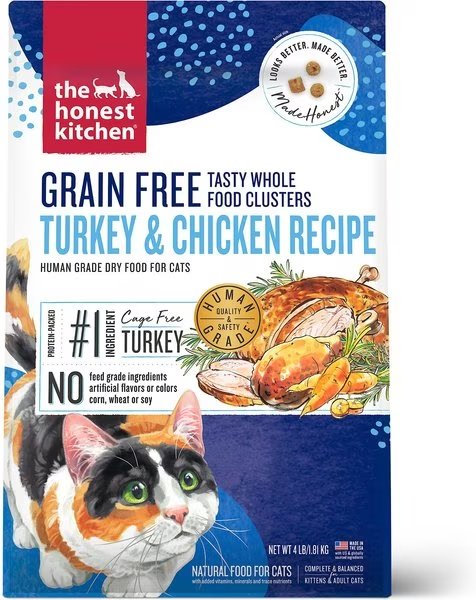
Grain Free Turkey & Chicken Clusters
$29.99
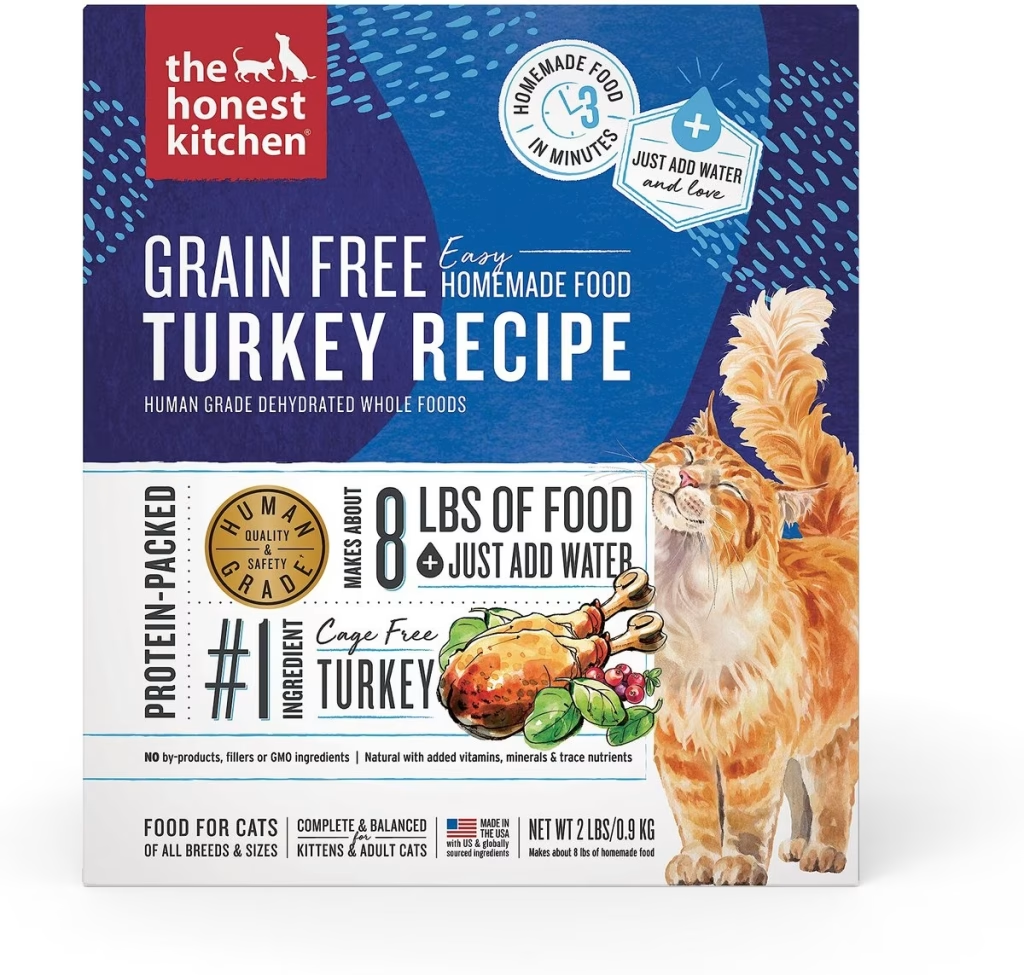
Grain Free Turkey Dehydrated Cat Food
$31.99
5. Monitor Portion Sizes and Prevent Overfeeding
Obesity is a growing problem in cats, and overfeeding is one of the primary causes. Obesity can lead to various health issues, including diabetes, arthritis, and heart disease. Monitoring your cat’s food intake and adjusting portions according to their weight and activity level is essential.
- Measure Food: Always use a measuring cup or kitchen scale to ensure you’re feeding the correct portion size based on your cat’s weight and calorie needs. Avoid free-feeding, as it can lead to overeating.
- Feed Based on Activity: Active cats or those with high energy needs will require more calories, while senior or less active cats will need fewer calories to maintain a healthy weight.
- Use a Feeding Schedule: Establish a regular feeding schedule for your cat to prevent overeating and maintain a consistent caloric intake.
Maintaining a healthy weight through portion control is one of the most effective ways to keep your cat healthy and avoid future health problems related to obesity.
6. Incorporate Nutrient-Rich Supplements
Some cats may require specific supplements to meet their nutritional needs, particularly if they have health conditions or are in specific life stages.
- Taurine: Taurine is an essential amino acid for cats, necessary for heart, eye, and immune system health. It is found in animal tissues, so it’s important that your cat receives enough taurine through their diet, especially if they are on a homemade or raw food diet.
- Glucosamine and Chondroitin: These supplements are beneficial for joint health, particularly for senior cats or those suffering from arthritis.
- Probiotics: Probiotics can help support a healthy gut microbiome, improving digestion and immune function, especially if your cat has digestive issues.
Consult with your veterinarian before adding any supplements to ensure that your cat is receiving the right balance of nutrients.
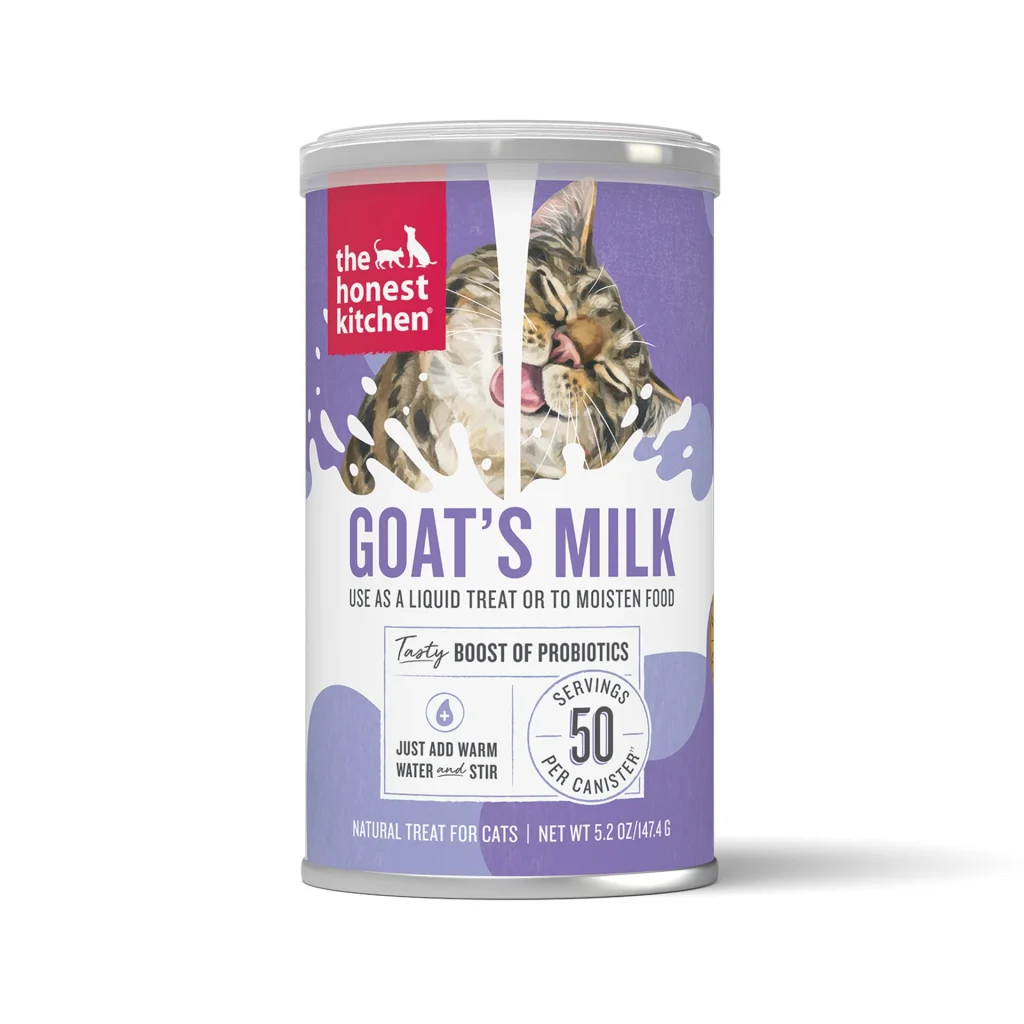
Cat Blend Instant Goat’s Milk
$15.99
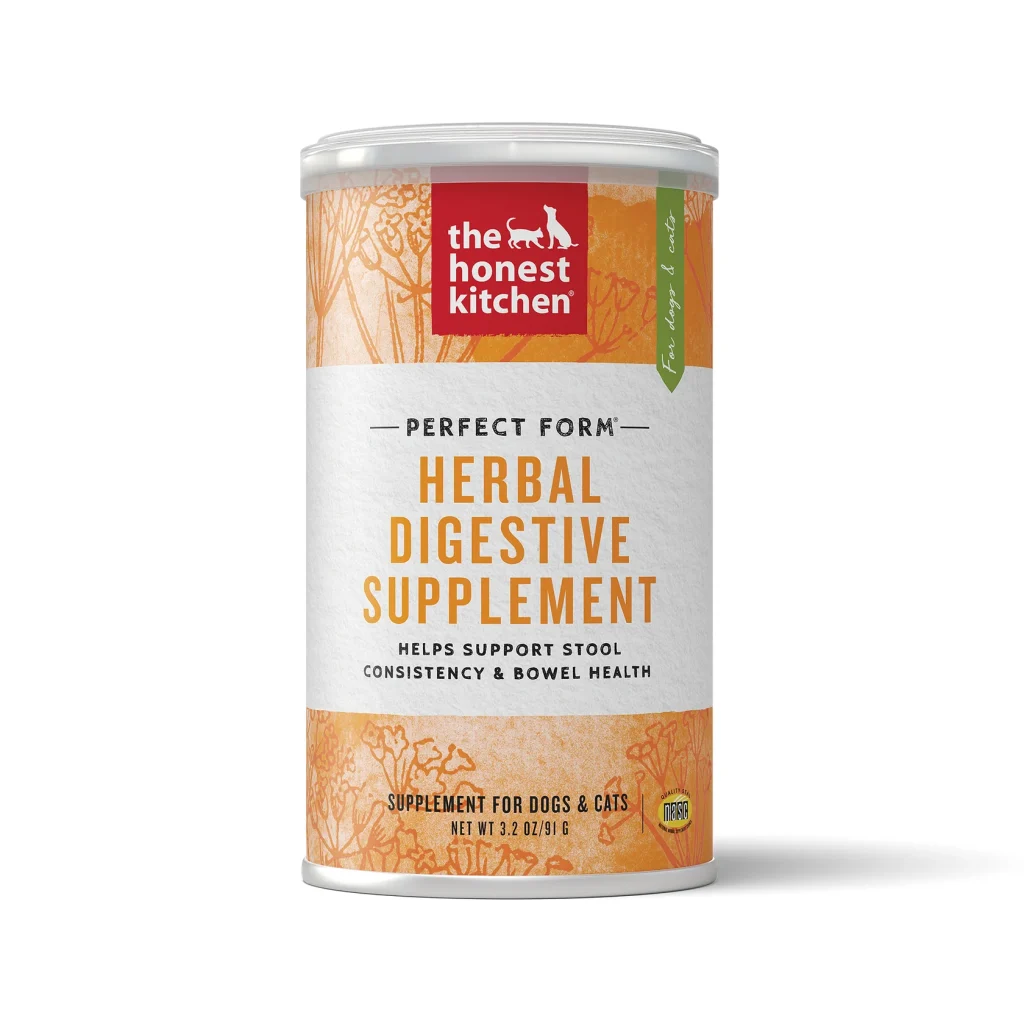
3.2 oz Perfect Form Herbal Digestive Supplement
$12.99
7. Provide a Variety of High-Quality Foods
Cats can get bored of eating the same food every day. Offering a variety of high-quality, nutrient-dense foods can ensure they receive a broad spectrum of nutrients and keep mealtime exciting.
- Rotating Proteins: Switch up the protein sources in your cat’s diet to include a variety of meats like chicken, turkey, lamb, and fish to provide different nutrients and flavors.
- Occasional Treats: You can supplement your cat’s meals with occasional treats like freeze-dried meats or small amounts of cooked fish for extra protein and variety.
Variety helps ensure that your cat gets all the essential nutrients they need for optimal health while preventing boredom during mealtime.
Conclusion: Ensuring a Long and Healthy Life for Your Cat with Proper Nutrition
Feeding your cat a healthy, well-balanced diet is one of the most important things you can do to ensure they lead a long, happy, and healthy life. By following these 7 essential tips and choosing the right foods, you can help your cat maintain a healthy weight, strong muscles, shiny coat, and a strong immune system.
Remember to consult with your veterinarian for personalized dietary recommendations, especially if your cat has any specific health concerns or dietary restrictions. With the right nutrition, your cat can enjoy all the adventures that come with a healthy, energetic life.
*Health Disclaimer: This post is educational in nature and doesn’t constitute health advice. Please consult your pet’s veterinarian or other healthcare professional for specific guidance on this topic.