
Introduction to Dog Gas: What’s Normal and What’s Not?
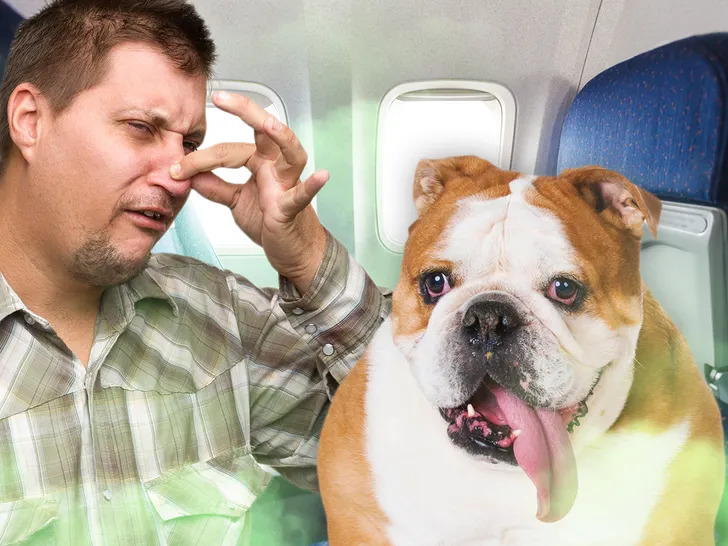
If you’ve ever found yourself wondering, “Why is my dog so gassy?”, you’re not alone! Most dog owners have experienced their pets letting out a little more gas than usual, leaving everyone in the room running for the door. While occasional gas is normal for dogs, excessive flatulence can be a sign of an underlying issue in your dog’s digestive system.
In this detailed guide, we will explore the potential causes of excessive gas in dogs, how to identify whether it’s a symptom of something serious, and practical tips for managing your dog’s gassy behavior. Let’s dive into the world of canine digestion to understand why your dog may be passing gas and how to support their tummy health.
What’s Normal Gas for Dogs?
Just like in humans, gas in dogs is a normal part of the digestive process. When food is broken down in the stomach and intestines, it releases gases such as nitrogen, oxygen, and methane. A certain amount of gas is a natural byproduct of digestion, and a little rumbling or occasional fart is typically nothing to worry about.
Normal signs of dog gas include:
- Occasional flatulence, particularly after eating
- Slightly smelly or mild gas that doesn’t seem to be affecting your dog’s behavior
- A slight increase in gas after a change in diet or food type
However, when gas becomes frequent, smelly, or is accompanied by other symptoms, it may indicate that something is off. Here are some of the most common causes of excessive gas in dogs.
Common Causes of Excessive Gas in Dogs
1. Dietary Issues
The most common cause of excessive gas in dogs is dietary problems. Certain ingredients in dog food or treats can lead to increased gas production. For example:
- High-fiber foods: While fiber is essential for digestion, too much fiber (especially from beans, peas, or certain grains) can cause excessive gas.
- Dairy: Many dogs are lactose intolerant, meaning their digestive systems can’t process dairy products efficiently, leading to bloating and gas.
- Artificial additives: Low-quality dog foods or treats that contain artificial flavors, colors, or preservatives can upset your dog’s digestive system and lead to increased gas production.
- Overeating or eating too quickly: If your dog is eating too much food in one sitting or eating too quickly, it can lead to undigested food entering the intestines, where it ferments and produces gas.
2. Food Sensitivities or Allergies
Just like humans, dogs can have food sensitivities or allergies, which can affect their digestive system and lead to excessive gas. Common allergens for dogs include:
- Grains: Many dogs are allergic to grains such as wheat, corn, or soy, which can cause bloating and flatulence.
- Protein sources: Beef, chicken, and lamb are common protein sources in dog food, but some dogs may develop sensitivities to certain meats or animal products, leading to gas.
- Gluten: Dogs with gluten sensitivity may experience bloating, gas, and discomfort after eating foods containing gluten.
3. Swallowed Air (Aerophagia)
Some dogs, especially those that eat quickly or eagerly, tend to swallow air while eating. This air then gets trapped in the stomach, causing bloating and increased gas. If you notice your dog gulping down food or water without chewing properly, this may be contributing to the excessive gas.
4. Parasites and Infections
Intestinal parasites like giardia, roundworms, and hookworms are another common cause of gas and bloating in dogs. These parasites can disrupt the digestive system and lead to increased gas production, diarrhea, and other gastrointestinal symptoms.
Infections caused by bacteria or viruses, such as Clostridium perfringens or salmonella, can also lead to gas, bloating, and more serious symptoms like vomiting or diarrhea. If you suspect your dog has an infection, it’s essential to consult with your vet for appropriate treatment.
5. Gastrointestinal (GI) Issues
Certain GI disorders, such as irritable bowel syndrome (IBS) or inflammatory bowel disease (IBD), can cause excessive gas and bloating in dogs. These conditions lead to chronic inflammation in the intestines, which can interfere with digestion and result in increased gas production. Dogs with these conditions may also show signs of discomfort, including loss of appetite, weight loss, and changes in stool consistency.
6. Age and Health Conditions
As dogs age, their digestive systems may not function as efficiently as when they were younger, leading to more frequent gas. Older dogs are also more likely to develop gastrointestinal issues, such as gastroesophageal reflux disease (GERD) or pancreatitis, which can contribute to increased flatulence.
Additionally, certain diseases, like liver disease, kidney disease, or hypothyroidism, can lead to digestive problems and increased gas in dogs.
How to Manage Your Dog’s Gas and Improve Digestive Health
1. Adjust Your Dog’s Diet
The first step in reducing excessive gas is to evaluate your dog’s diet. Try switching to a high-quality dog food with easily digestible ingredients. Look for foods with:
- Limited ingredients: A simple, limited-ingredient diet can help identify and eliminate food sensitivities.
- Digestible proteins: Choose dog food that contains high-quality, easily digestible protein sources like chicken, turkey, or fish.
- Probiotics: Probiotics are beneficial bacteria that help maintain a healthy gut and can reduce gas and bloating. Look for dog foods that contain added probiotics or consider supplementing your dog’s diet with a probiotic supplement.
2. Feed Smaller, More Frequent Meals
If your dog tends to eat too quickly, try feeding them smaller meals throughout the day. Using a slow-feed bowl or puzzle feeder can help your dog eat more slowly and prevent them from swallowing excess air. This can significantly reduce bloating and gas production.
3. Avoid Human Foods
While it’s tempting to share your food with your dog, many human foods—particularly those rich in fat or spices—can upset their digestive system and lead to excess gas. Avoid giving your dog table scraps or high-fat treats that could trigger gas.
4. Try Digestive Supplements
There are several digestive supplements available that can help reduce gas and promote healthy digestion in dogs:
- Digestive enzymes: These help break down food more effectively and reduce bloating and gas.
- Pumpkin: Adding plain canned pumpkin (not spiced pie filling) to your dog’s food can improve digestion and reduce gas due to its high fiber content.
- Probiotics: As mentioned earlier, probiotics can help balance the gut microbiome and reduce gas caused by digestive imbalances.
5. Monitor and Treat for Parasites
If your dog’s gassy behavior is persistent and seems to be accompanied by other symptoms like diarrhea, vomiting, or weight loss, it’s important to check for intestinal parasites. Regular deworming treatments, as recommended by your veterinarian, can help prevent parasite-related gas issues. If parasites are present, your vet will recommend the appropriate treatment to eliminate them and restore your dog’s digestive health.
6. Consult with Your Veterinarian
If your dog’s gas is excessive, persistent, or associated with other signs of discomfort (such as lethargy, loss of appetite, or changes in stool), it’s important to consult your veterinarian. The vet may want to perform diagnostic tests, such as stool analysis, blood work, or imaging, to rule out underlying health issues like GI disorders, infections, or chronic conditions.
If your dog is diagnosed with a gastrointestinal condition, such as irritable bowel disease (IBD) or gastrointestinal reflux, your vet may recommend a specialized diet, medication, or other treatments to manage the condition and alleviate symptoms.
Signs That It’s Time to See a Vet
While occasional gas in dogs is typically harmless, there are certain signs that may indicate a more serious issue requiring veterinary attention:
- Severe, persistent gas: If your dog’s flatulence is constant and accompanied by pain or discomfort, it may be a sign of an underlying issue.
- Changes in appetite or drinking habits: If your dog is eating or drinking significantly more or less than usual, it could indicate digestive issues or an illness.
- Vomiting or diarrhea: If your dog has chronic or severe vomiting or diarrhea, these could be symptoms of infections, parasites, or gastrointestinal diseases.
- Weight loss: If your dog is losing weight despite eating well, it could indicate an absorption problem or digestive disorder.
Preventing Gas in the Future: Ongoing Care
After addressing the immediate cause of your dog’s gas, it’s important to continue supporting their digestive health long-term. Some helpful ongoing practices include:
- Maintain a consistent feeding schedule: Keeping your dog on a regular feeding schedule helps regulate their digestive system and reduces the likelihood of overeating or indigestion.
- Exercise: Regular physical activity helps support healthy digestion and can reduce bloating and gas. Ensure your dog gets enough daily exercise, but avoid vigorous activity immediately after meals.
- Continued monitoring: Keep track of your dog’s digestive health, noting any changes in their behavior, appetite, or stool consistency. This will help you and your vet spot any new issues early on.
Conclusion
Excessive gas in dogs is a common issue that can be caused by a variety of factors, from dietary habits to underlying health conditions. By understanding the causes of dog gas and implementing simple changes to their diet and routine, you can help reduce your dog’s flatulence and support their overall digestive health. If the gas persists or is accompanied by other troubling symptoms, always consult with your veterinarian for a proper diagnosis and treatment plan.
With a little attention and care, you can help your dog feel comfortable and at ease, without the embarrassment of excessive gas!